AMP Robotics Corporation AMP CortexvsKUKA KR QUANTEC
Side-by-side comparison of AMP Robotics Corporation AMP Cortex and KUKA KR QUANTEC: specs, price, use cases and SDKs.

AMP Cortex
AI-powered robotic sorting systems for waste and recycling.
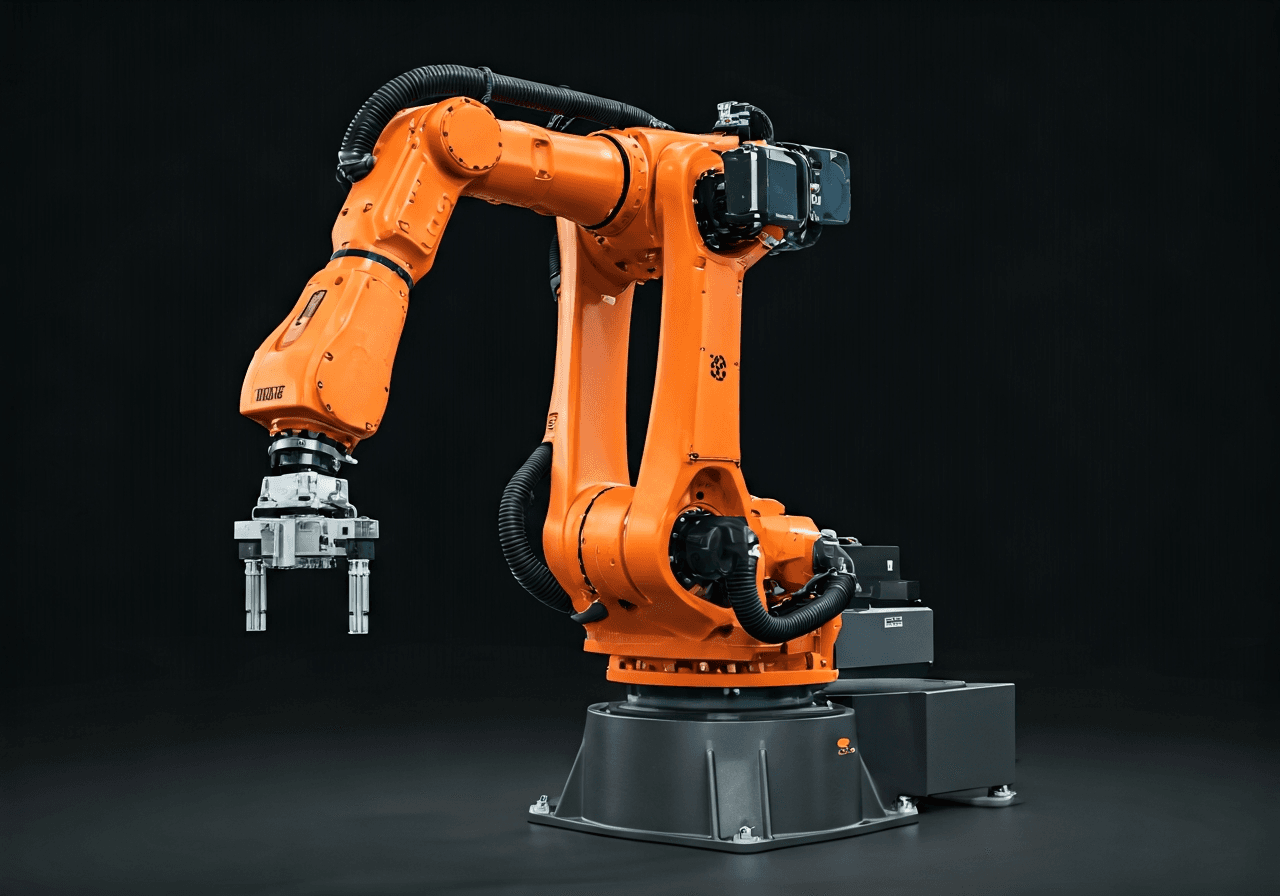
KR QUANTEC
Heavy-payload industrial arm
Specifications
| Spec | AMP Cortex | KR QUANTEC |
|---|---|---|
| Price (USD) | $300,000 | $85,000 |
| Category | industrial | industrial |
| Payload | null kg | 300 kg |
| Runtime | 24 h | — |
| Speed | null m/s | — |
| Weight | null kg | — |
| Reach | — | 3100mm |
| Degrees of Freedom | null | 6 |
- Waste sorting
- Recycling facilities
- Material recovery
- Sorting single-stream recycling
- Sorting e-scrap
- Sorting construction and demolition debris
- Identifying and sorting paper, plastics, and metals
- Automotive welding
- Palletizing
- Heavy assembly
When to pick which
Choose the AMP Cortex for high-volume material recovery facilities (MRFs) or municipal recycling centers focused on automated waste segregation. While the KUKA is a general-purpose arm, the Cortex is a specialized system integrated with the AMP Neuron AI platform, designed specifically to identify and sort complex streams like single-stream recycling, e-scrap, and construction debris. Its 24-hour runtime capability supports continuous processing lines where human sorting is inefficient or hazardous. Select this system when your primary constraint is the need for high-speed, AI-driven material identification across diverse categories like plastics and metals rather than heavy lifting.
Select the KUKA KR QUANTEC for heavy-duty manufacturing environments such as automotive assembly lines or large-scale logistics hubs. At a price point of $85,000, it offers a cost-effective solution for tasks requiring a massive 300kg payload capacity and a 3100mm reach. Its 6 degrees of freedom provide the mechanical flexibility needed for precision spot welding, heavy palletizing, or maneuvering large structural components. Choose this robot when your operation demands high mechanical force and long-reach articulation within a traditional industrial cell, rather than the specialized computer vision and material identification required for waste processing.
Ready to evaluate?
Request a vendor quote or compare more options.