Apptronik ApollovsStardust Intelligence Astribot S1
Side-by-side comparison of Apptronik Apollo and Stardust Intelligence Astribot S1: specs, price, use cases and SDKs.
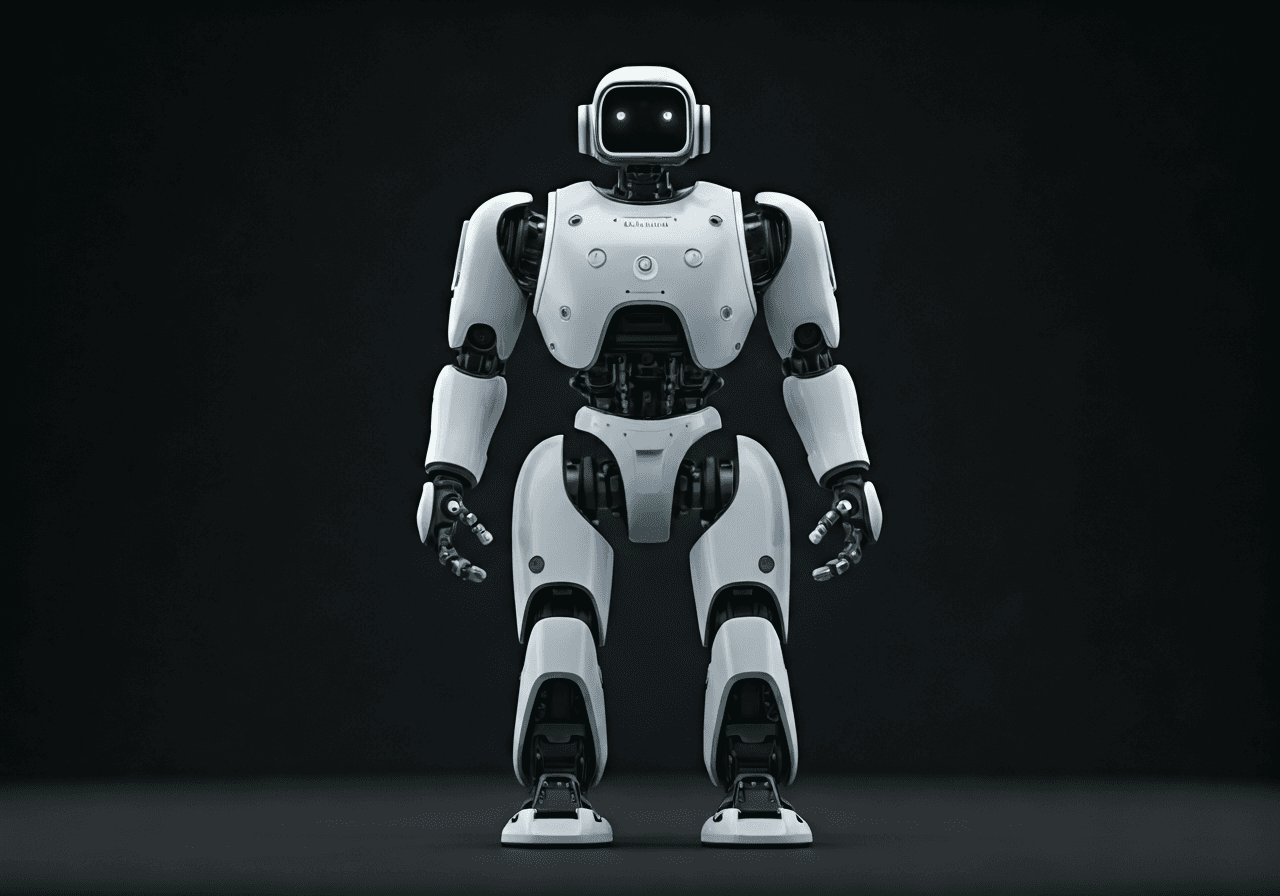
Apollo
General-purpose humanoid for logistics

Astribot S1
Ultra-fast humanoid robot for high-precision, AI-driven manipulation.
Specifications
| Spec | Apollo | Astribot S1 |
|---|---|---|
| Price (USD) | $120,000 | $96,000 |
| Category | humanoid | humanoid |
| Payload | 25 kg | 10 kg |
| Runtime | 4 h | 4 h |
| Speed | — | 0.42 m/s |
| Weight | 73 kg | 80 kg |
| Degrees of Freedom | — | 23 |
- Logistics
- Manufacturing
- Warehousing
- Household chores
- Industrial automation
- Research and development
- Service industries
When to pick which
Choose Apptronik Apollo for heavy-duty industrial logistics and warehouse automation where lifting capacity is the primary constraint. With a 25kg payload—more than double that of the Astribot S1—Apollo is better suited for moving heavy totes, palletizing, or material handling in manufacturing environments. Its ROS2 compatibility makes it a superior choice for large-scale deployments integrated into existing industrial software stacks. Opt for Apollo when your facility requires a rugged, high-capacity humanoid that can handle substantial physical loads across a four-hour shift without compromising on stability or integration standards.
Select the Stardust Intelligence Astribot S1 for research and development or service-oriented tasks requiring high-dexterity manipulation rather than raw strength. At a lower $96,000 price point, it is more accessible for pilot programs in household automation or precision industrial assembly. The 23 degrees of freedom and VR teleoperation support make it ideal for training AI models through human demonstration. Choose this unit if your deployment focuses on complex, fine-motor tasks like sorting delicate items or service hospitality, where the robot's speed and advanced toolchain outweigh the need for heavy lifting.
Ready to evaluate?
Request a vendor quote or compare more options.