Apptronik ApollovsFigure AI Figure 02
Side-by-side comparison of Apptronik Apollo and Figure AI Figure 02: specs, price, use cases and SDKs.
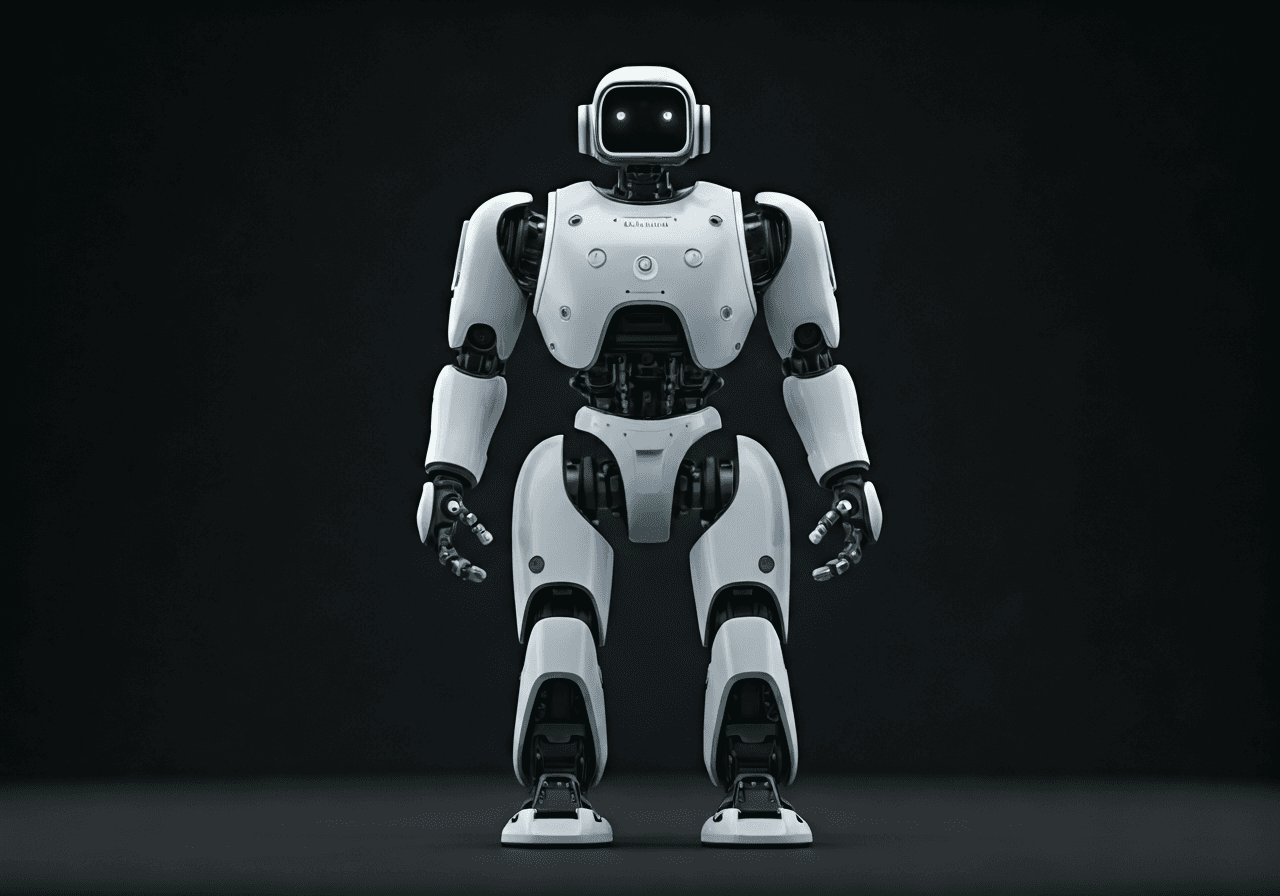
Apollo
General-purpose humanoid for logistics
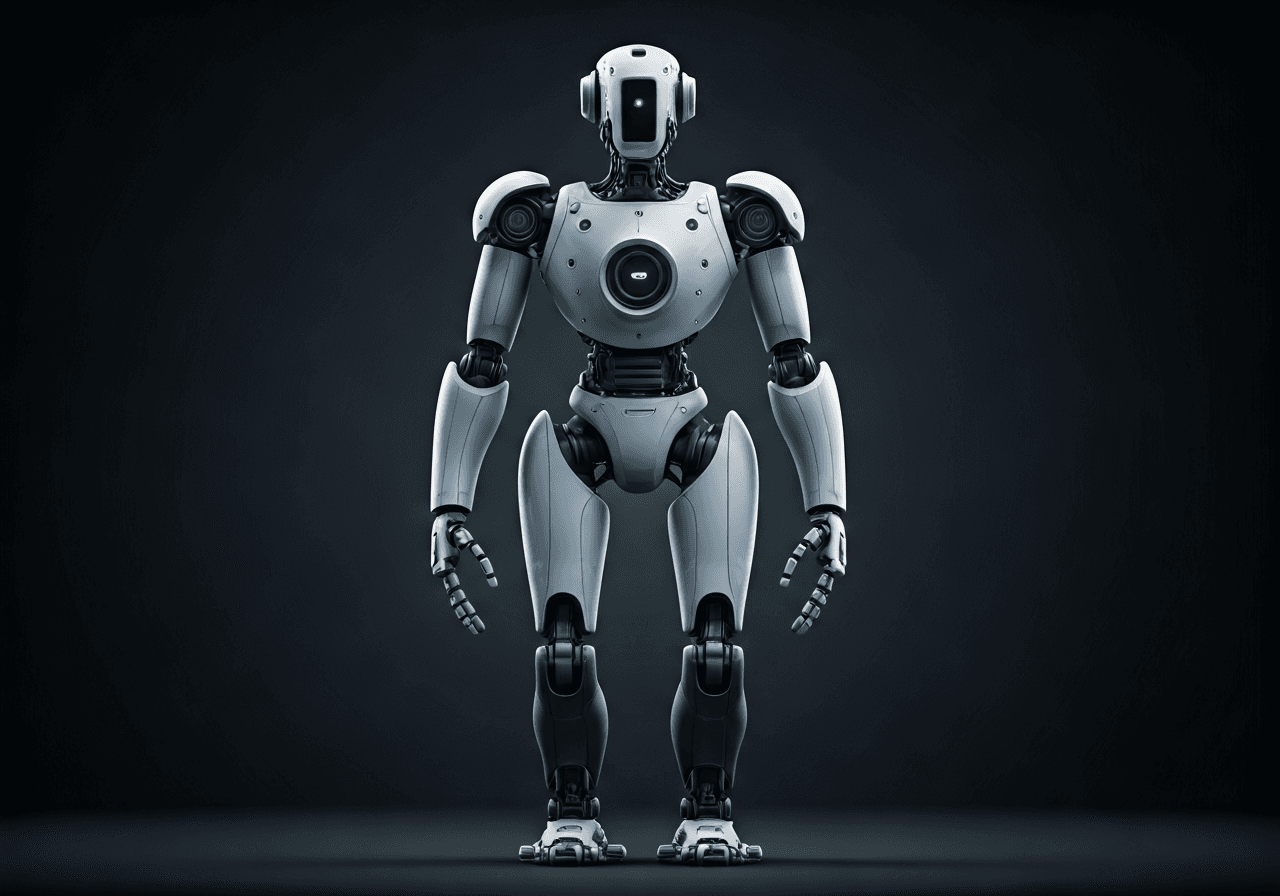
Figure 02
Commercial humanoid for BMW plants
Specifications
| Spec | Apollo | Figure 02 |
|---|---|---|
| Price (USD) | $120,000 | $150,000 |
| Category | humanoid | humanoid |
| Payload | 25 kg | 20 kg |
| Runtime | 4 h | 5 h |
| Weight | 73 kg | 70 kg |
- Logistics
- Manufacturing
- Warehousing
When to pick which
Choose Apptronik Apollo for high-volume logistics operations where payload capacity and budget constraints are the primary drivers. With a 25kg payload capacity, Apollo is better suited for heavy case handling and palletizing tasks that exceed the limits of lighter humanoids. Buyers managing large-scale warehouse deployments will benefit from the $30,000 lower unit price, significantly reducing the total cost of ownership for multi-robot fleets. Additionally, engineering teams requiring deep integration with existing robotics infrastructure should prioritize Apollo for its native ROS2 support, allowing for faster custom development and deployment in established manufacturing pipelines.
Opt for Figure AI Figure 02 for high-precision manufacturing environments, such as automotive assembly lines, where operational uptime is critical. The five-hour runtime offers a 25% advantage over Apollo, making it more effective for extended shifts with fewer charging interruptions. While the payload is lower, the lighter 70kg frame and sophisticated enterprise API—supporting Python and REST—make it ideal for complex, data-driven integration within smart factories. Choose this model for pilot programs in advanced manufacturing where software flexibility and proven industrial partnerships, like those in BMW plants, outweigh the need for maximum lifting capacity.
Ready to evaluate?
Request a vendor quote or compare more options.