Apptronik ApollovsSanctuary AI Phoenix Gen 7
Side-by-side comparison of Apptronik Apollo and Sanctuary AI Phoenix Gen 7: specs, price, use cases and SDKs.
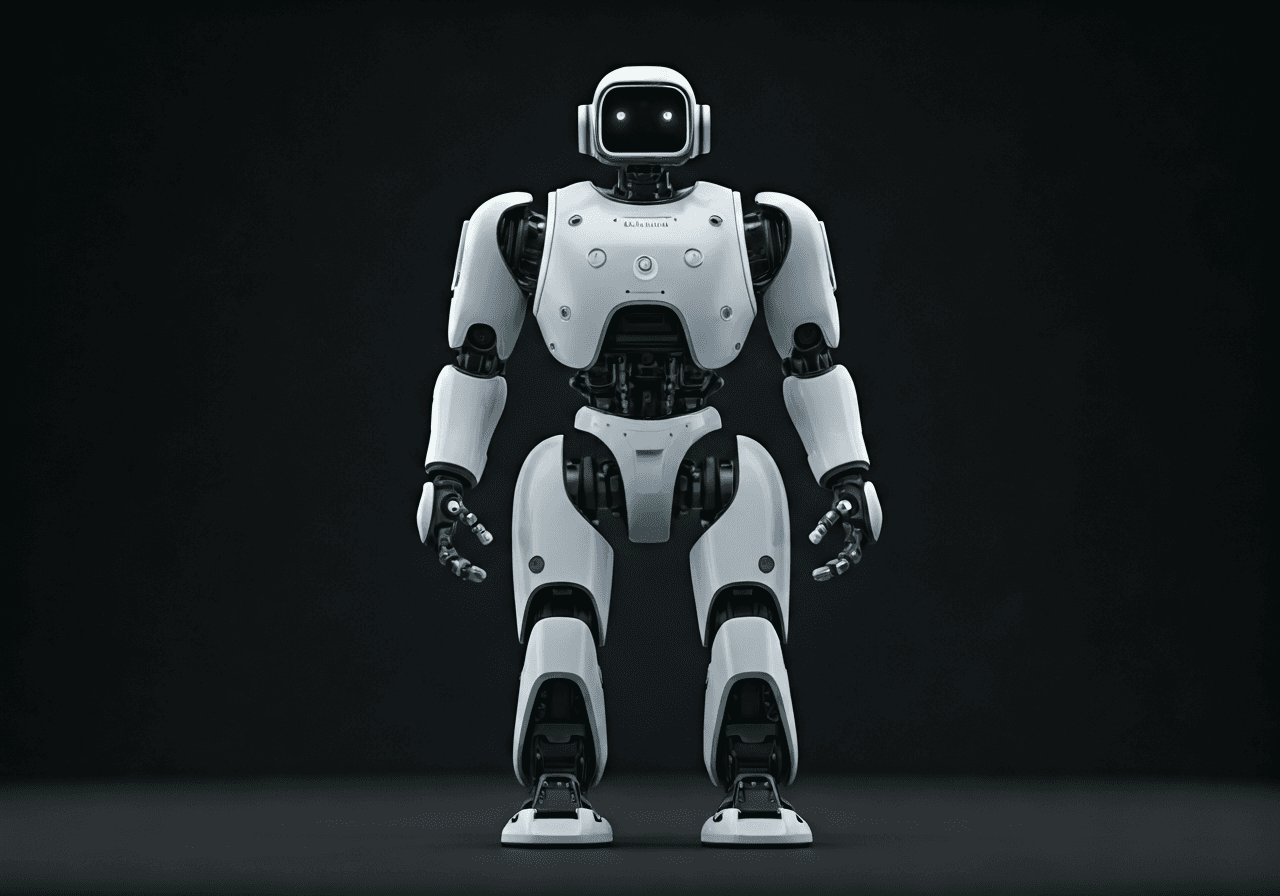
Apollo
General-purpose humanoid for logistics
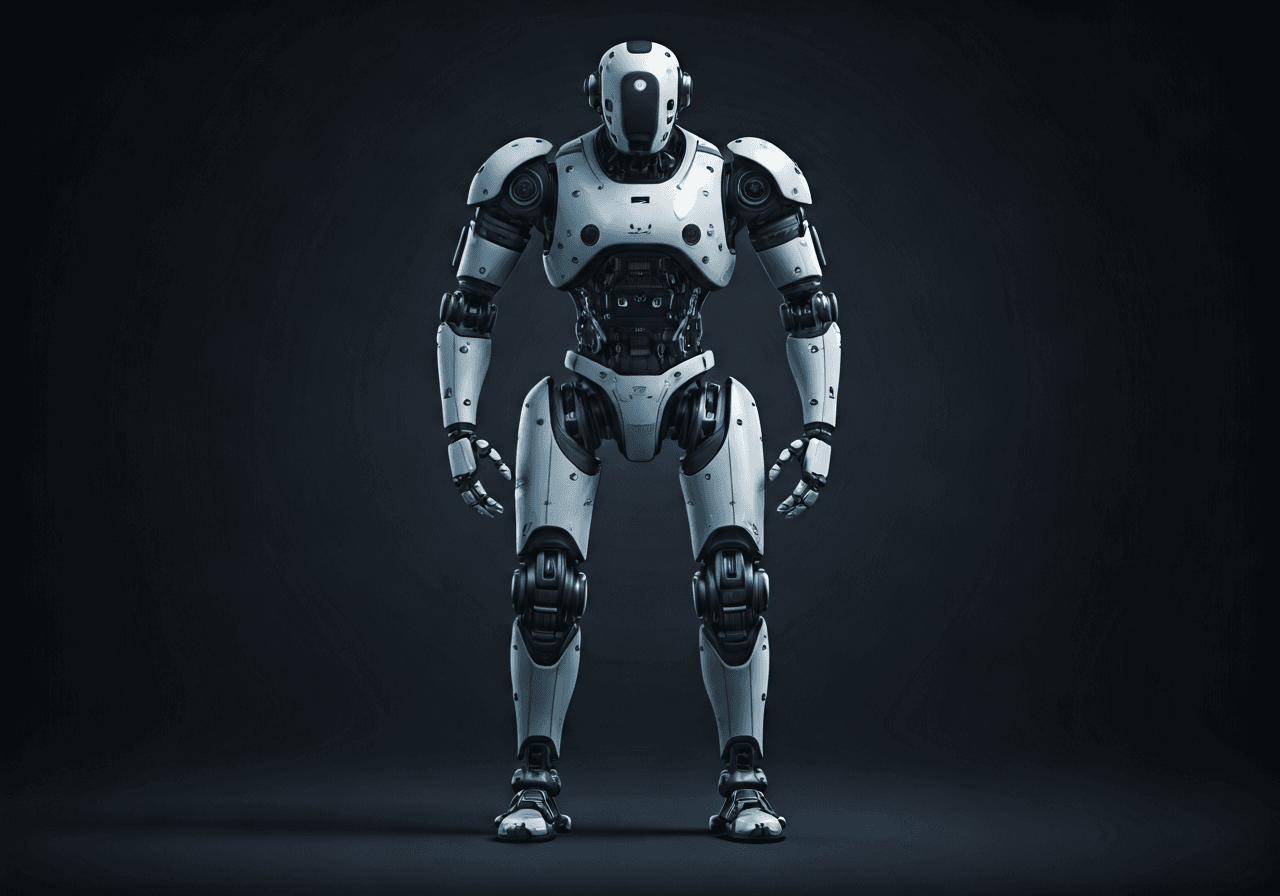
Phoenix Gen 7
Cognitive humanoid with Carbon AI
Specifications
| Spec | Apollo | Phoenix Gen 7 |
|---|---|---|
| Price (USD) | $120,000 | $250,000 |
| Category | humanoid | humanoid |
| Payload | 25 kg | 25 kg |
| Runtime | 4 h | 6 h |
| Weight | 73 kg | 70 kg |
| Degrees of Freedom | — | 40 |
- Manufacturing
- Logistics
- Warehousing
- Retail stocking
- Labor automation
When to pick which
Choose the Apptronik Apollo for large-scale logistics and warehousing operations where capital expenditure and fleet scalability are primary constraints. At $120,000 per unit—less than half the cost of the Phoenix—Apollo is the pragmatic choice for high-volume deployments requiring 25kg heavy lifting in structured environments. Its native ROS2 support makes it ideal for established engineering teams who need to integrate humanoid hardware into existing open-source software stacks without proprietary lock-in. Select this model for repetitive palletizing or case-picking tasks where the four-hour runtime aligns with standard shift rotations and charging intervals.
Opt for the Sanctuary AI Phoenix Gen 7 for complex retail stocking or manufacturing tasks that demand high manual dexterity and cognitive adaptability. While the $250,000 price point is higher, the 40 degrees of freedom allow for more intricate manipulation of varied objects compared to standard industrial humanoids. The six-hour runtime provides a 50% increase in operational endurance over the Apollo, reducing downtime in labor-intensive environments. Choose this platform if your deployment requires the Carbon AI ecosystem to automate non-linear tasks that involve decision-making and precise hand-eye coordination beyond simple point-to-point logistics.
Ready to evaluate?
Request a vendor quote or compare more options.