Apptronik ApollovsUBTECH Walker S2
Side-by-side comparison of Apptronik Apollo and UBTECH Walker S2: specs, price, use cases and SDKs.
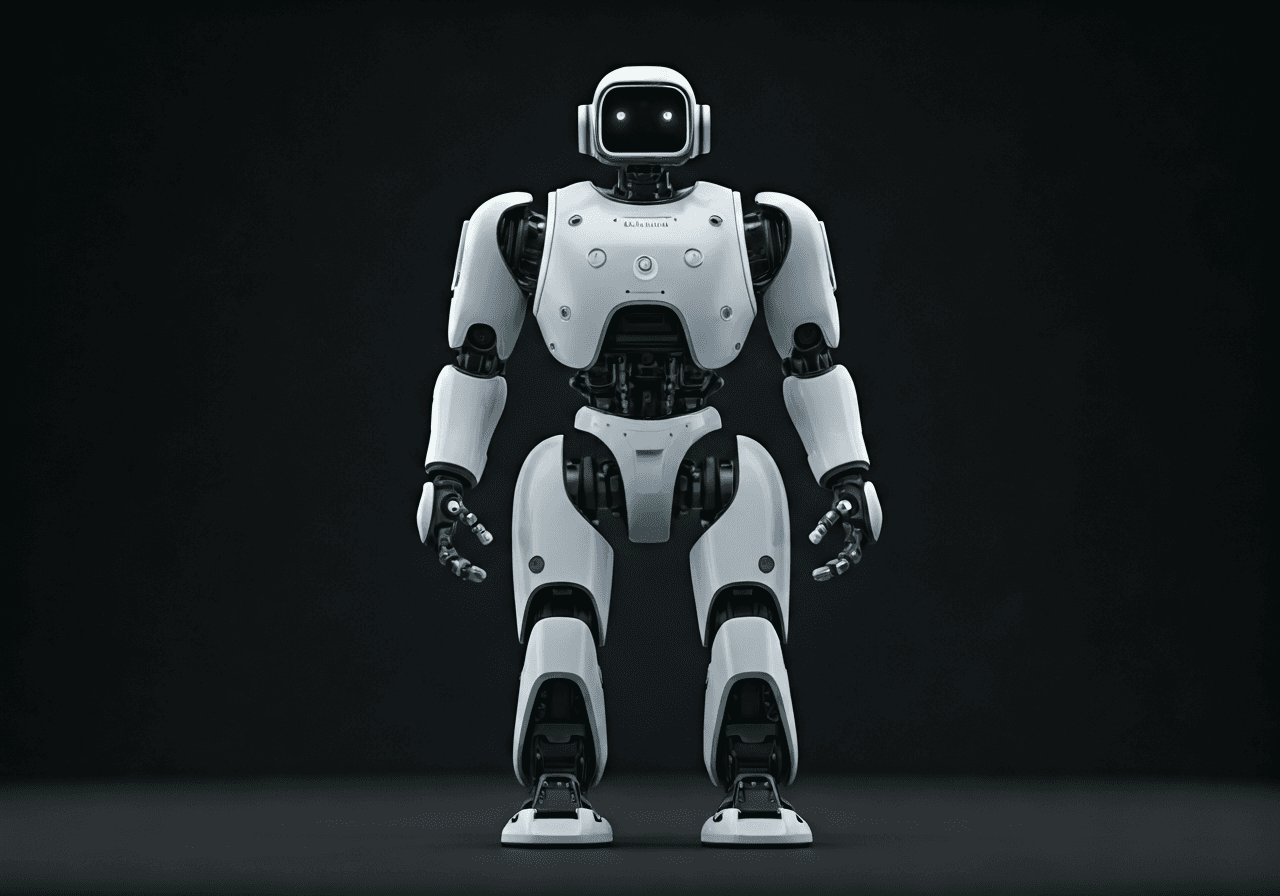
Apollo
General-purpose humanoid for logistics
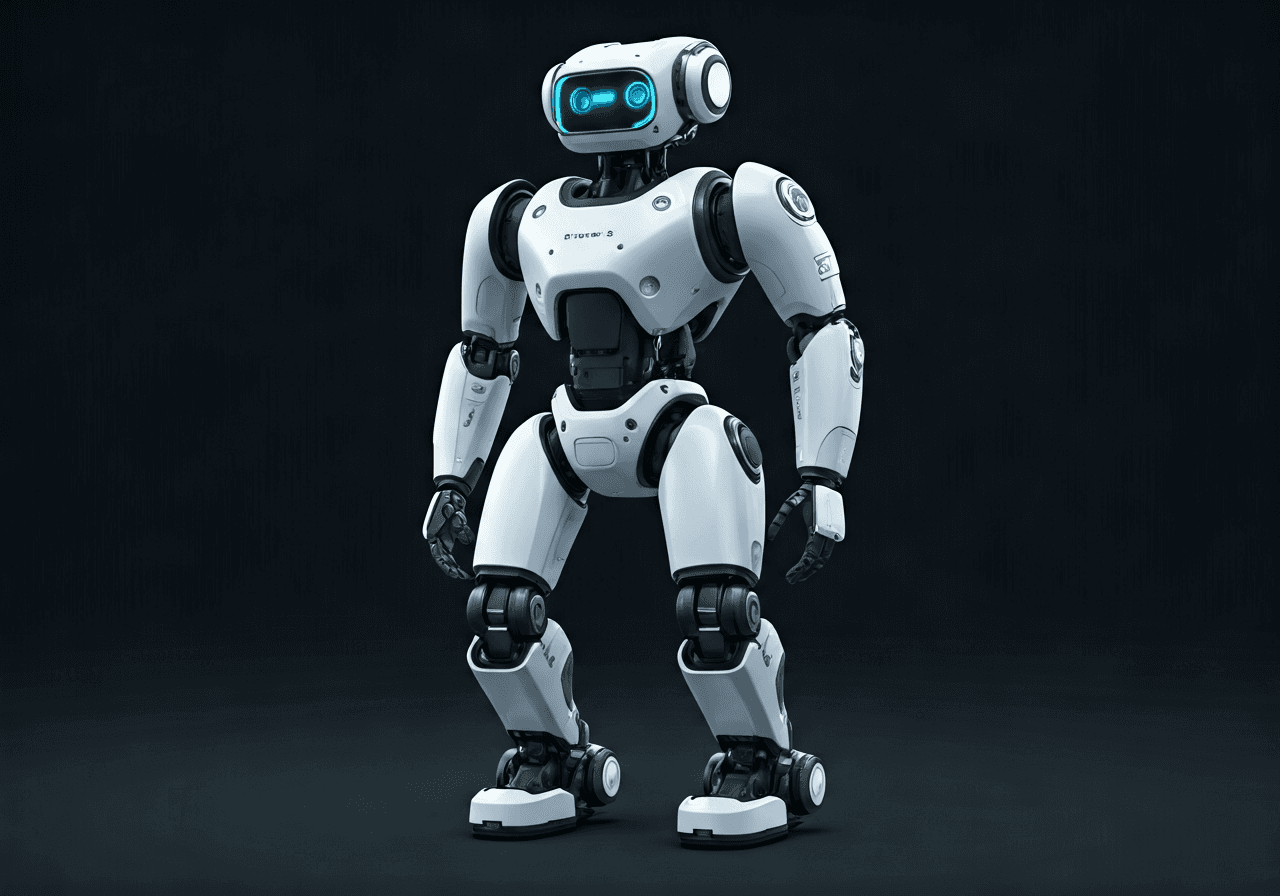
Walker S2
Swappable-battery industrial humanoid
Specifications
| Spec | Apollo | Walker S2 |
|---|---|---|
| Price (USD) | $120,000 | $40,000 |
| Category | humanoid | humanoid |
| Payload | 25 kg | 15 kg |
| Runtime | 4 h | 4 h |
| Weight | 73 kg | 95 kg |
- Logistics
- Manufacturing
- Warehousing
- Factory automation
- Industrial pilots
When to pick which
Select the Apptronik Apollo for heavy-duty logistics or manufacturing environments where individual units must handle payloads up to 25kg. This 10kg advantage over the Walker S2 is critical for moving standard industrial totes or heavy sub-assemblies that exceed lighter limits. Its 73kg frame enhances safety in shared workspaces and improves power-to-weight efficiency. Choose Apollo if your deployment requires ROS2 compatibility for seamless integration with existing warehouse management software. It is the preferred option for high-performance applications where lifting capacity and standard software architecture justify the $120,000 investment over lower-cost alternatives.
Opt for the UBTECH Walker S2 for large-scale industrial pilots or factory automation where budget efficiency is the primary constraint. At $40,000, it enables the deployment of three units for the price of one Apollo, making it ideal for testing multi-robot coordination in light-duty tasks. The swappable battery feature is essential for multi-shift operations requiring high uptime without long charging intervals. Select this model for light assembly or small-parts delivery where payloads do not exceed 15kg. Limited public spec data — request a vendor briefing to confirm precision tolerances and environmental ratings for specific factory floors.
Ready to evaluate?
Request a vendor quote or compare more options.