Apptronik ApollovsXPeng Iron
Side-by-side comparison of Apptronik Apollo and XPeng Iron: specs, price, use cases and SDKs.
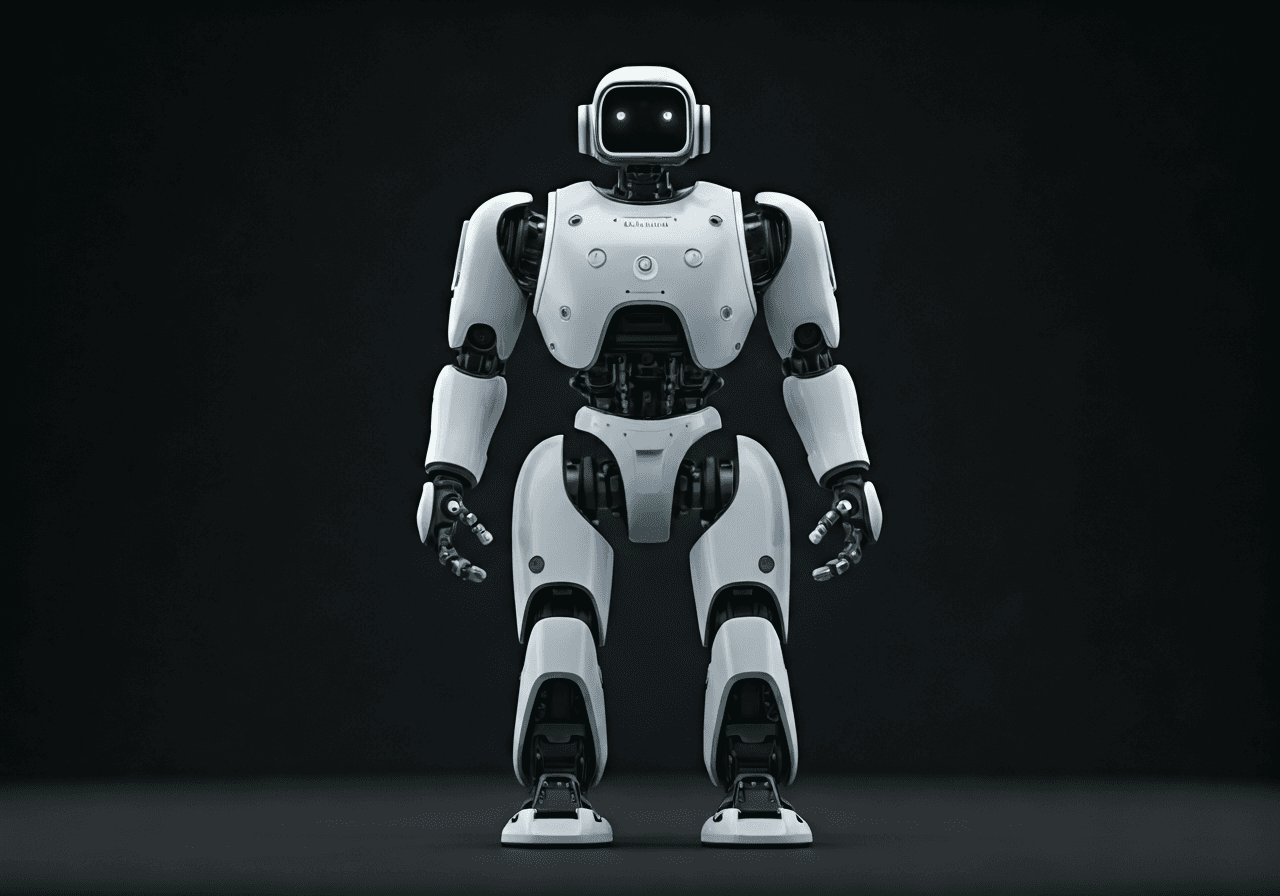
Apollo
General-purpose humanoid for logistics
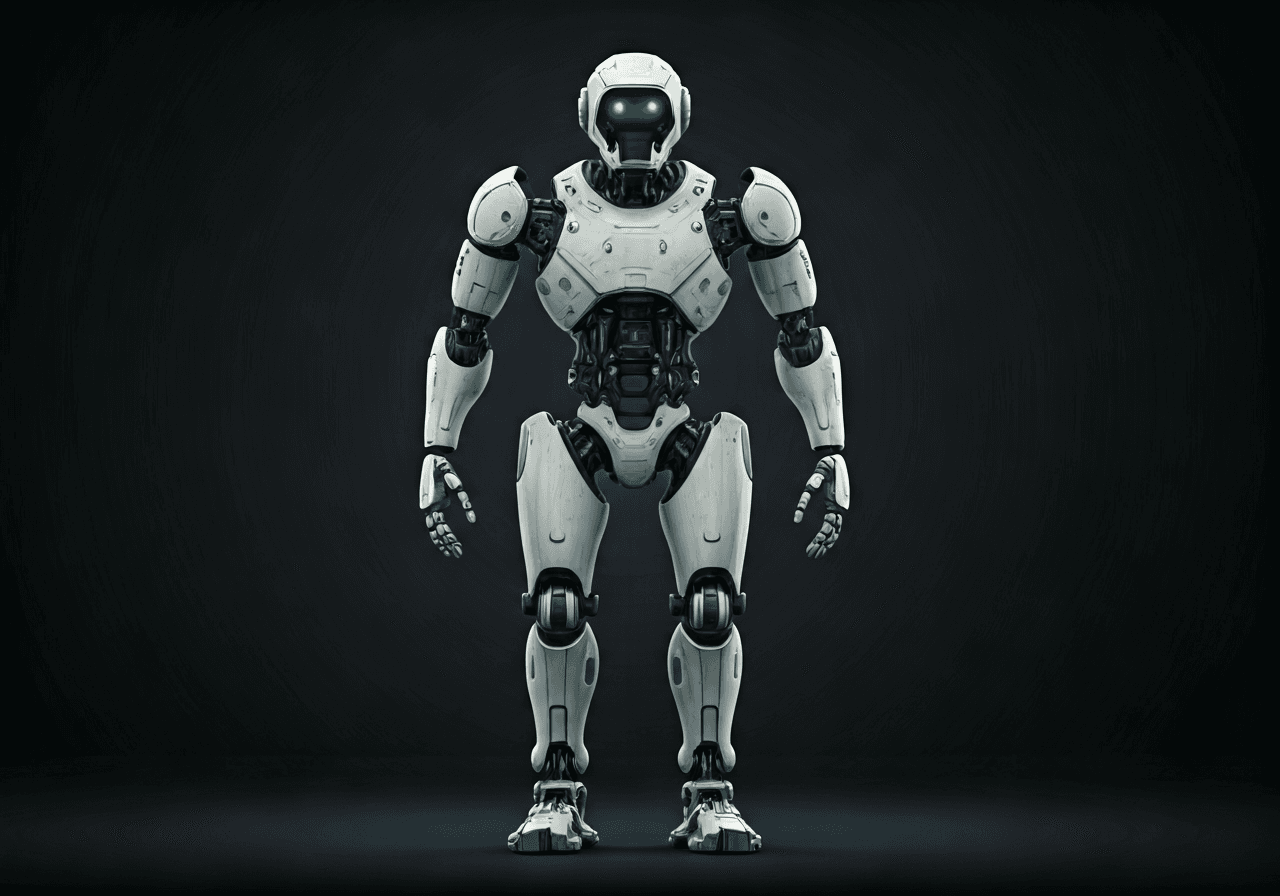
Iron
Automotive-grade humanoid from XPeng
Specifications
| Spec | Apollo | Iron |
|---|---|---|
| Price (USD) | $120,000 | $28,000 |
| Category | humanoid | humanoid |
| Payload | 25 kg | 20 kg |
| Runtime | 4 h | 5 h |
| Weight | 73 kg | 70 kg |
| Degrees of Freedom | — | 60 |
- Logistics
- Manufacturing
- Warehousing
- Automotive manufacturing
- Factory automation
When to pick which
Choose Apptronik Apollo for heavy-duty logistics and brownfield warehouse operations requiring high-weight manipulation. With a 25kg payload capacity, it outperforms the Iron in palletizing or case-picking tasks involving heavier inventory. Its support for ROS2 makes it the superior choice for R&D teams or integrators who require an open-source ecosystem to customize complex navigation stacks. Select this model when deploying in a multi-vendor environment where interoperability and raw lifting power are prioritized over unit cost, particularly in North American or European logistics centers with high safety and integration standards.
Select the XPeng Iron for large-scale fleet deployments in automotive assembly lines or precision manufacturing where unit cost and dexterity are the primary constraints. At $28,000, the Iron allows for a four-to-one deployment ratio compared to the Apollo, making it ideal for high-volume factory automation. Its 60 degrees of freedom suggest superior fine-motor capabilities for intricate assembly tasks, while the 5-hour runtime reduces downtime in multi-shift operations. Choose this robot for high-density deployments where the proprietary XPeng Bot API fits into a vertically integrated automotive production environment.
Ready to evaluate?
Request a vendor quote or compare more options.