Blueye Robotics Blueye X3vsSkydio X10
Side-by-side comparison of Blueye Robotics Blueye X3 and Skydio X10: specs, price, use cases and SDKs.

Blueye X3
Underwater ROV for inspection (305m depth, 4K camera)
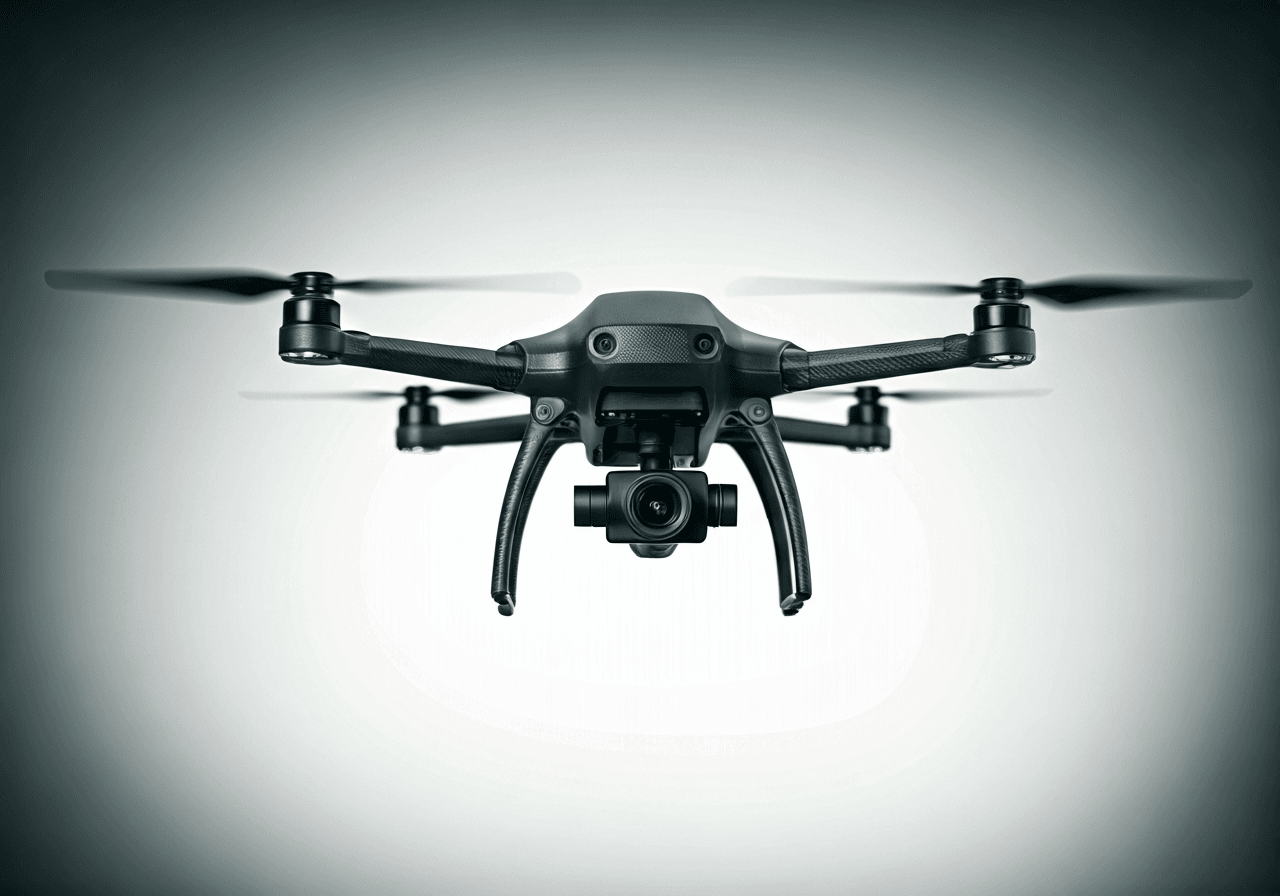
X10
Enterprise autonomous drone (US-made, NDAA-compliant)
Specifications
| Spec | Blueye X3 | X10 |
|---|---|---|
| Price (USD) | $16,000 | $14,000 |
| Category | drone | drone |
| Payload | — | 0.5 kg |
| Runtime | 2 h | 0.67 h |
| Speed | 1 m/s | 20 m/s |
| Weight | 9 kg | 1.8 kg |
| Battery | Internal LiPo + tether power option | Smart battery, swappable |
- Hull + propeller inspection
- Aquaculture net inspection
- Search & rescue
- Offshore structural inspection
- Infrastructure inspection
- Public safety / first response
- Tactical recon (gov)
- Construction progress monitoring
When to pick which
Choose the Blueye Robotics Blueye X3 for maritime and subsea operations where the primary objective is submerged asset management. In industries like aquaculture or commercial shipping, the X3 is essential for inspecting nets or ship hulls without dry-docking. Its 305m depth rating and 2-hour runtime allow for thorough underwater surveys that aerial drones cannot perform. For research or search and rescue teams operating in deep-water environments, the Python SDK and ROS bridge facilitate custom sensor integration, making it the superior choice for high-pressure, low-visibility tasks where physical immersion is a non-negotiable requirement for data collection.
Opt for the Skydio X10 for land-based enterprise applications requiring rapid aerial deployment and high-speed mobility. In public safety or tactical reconnaissance, its 20m/s speed and NDAA compliance are critical for government-regulated operations and immediate situational awareness. Construction managers should select the X10 for automated progress monitoring across large sites, leveraging its Smart Battery system and Skydio Cloud API for fleet management. While the Blueye handles the depths, the X10 excels in complex aerial environments where obstacle avoidance and autonomous flight paths are necessary to inspect bridges or utility towers safely and efficiently.
Ready to evaluate?
Request a vendor quote or compare more options.