Engineered Arts Engineered Arts TinkervsTesla Optimus Gen 2
Side-by-side comparison of Engineered Arts Engineered Arts Tinker and Tesla Optimus Gen 2: specs, price, use cases and SDKs.

Engineered Arts Tinker
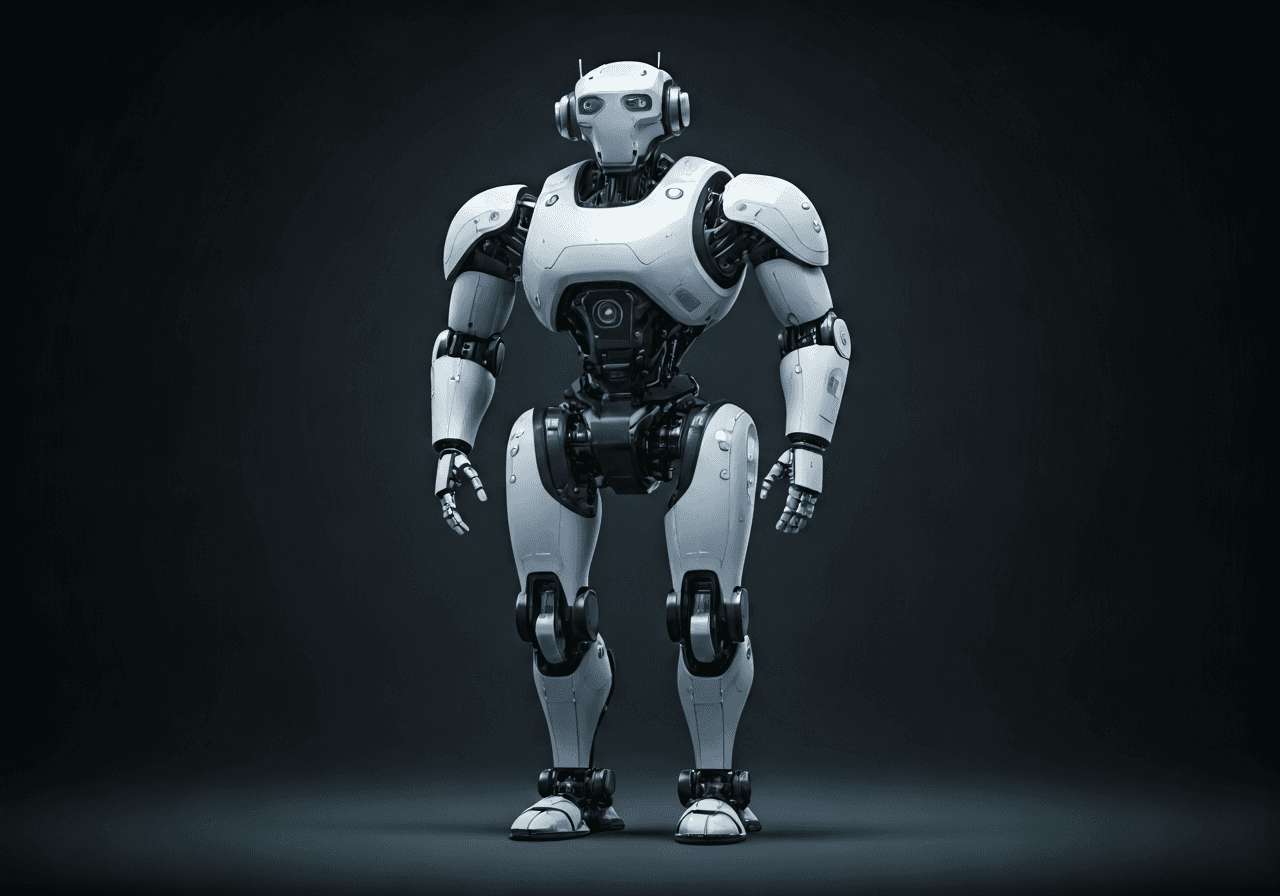
Optimus Gen 2
General-purpose humanoid from Tesla
Specifications
| Spec | Engineered Arts Tinker | Optimus Gen 2 |
|---|---|---|
| Price (USD) | $0 | $30,000 |
| Category | humanoid | humanoid |
| Payload | null kg | — |
| Runtime | null h | 8 h |
| Speed | null m/s | 2.5 m/s |
| Weight | null kg | 57 kg |
| Degrees of Freedom | null | 28 |
- Factory automation
- Home assistance
- Logistics
When to pick which
Choose the Engineered Arts Tinker for advanced human-robot interaction (HRI) research or high-fidelity social robotics applications where expressive movement and modularity are prioritized over raw industrial throughput. This platform is ideal for academic laboratories or entertainment venues requiring a customizable humanoid framework for testing proprietary AI models or social behaviors. Because the current technical documentation lacks specific performance metrics for payload or speed, it is best suited for controlled R&D environments rather than high-volume production lines. Limited public spec data — request a vendor briefing to confirm compatibility with specific mechanical or software integration requirements.
Select the Tesla Optimus Gen 2 for large-scale industrial deployments, specifically in factory automation and logistics hubs where continuous operation is critical. With an 8-hour runtime and a 2.5 m/s walking speed, this robot is engineered for high-duty cycle tasks like material handling or assembly line support. The 28 degrees of freedom provide the dexterity needed for complex manipulation in unstructured environments. At a $30,000 price point, it offers a cost-effective solution for enterprises looking to scale a fleet of general-purpose humanoids using the Tesla Bot API and Python for rapid deployment.
Ready to evaluate?
Request a vendor quote or compare more options.