Engineered Arts Engineered Arts TinkervsUnitree Robotics Unitree G1
Side-by-side comparison of Engineered Arts Engineered Arts Tinker and Unitree Robotics Unitree G1: specs, price, use cases and SDKs.

Engineered Arts Tinker
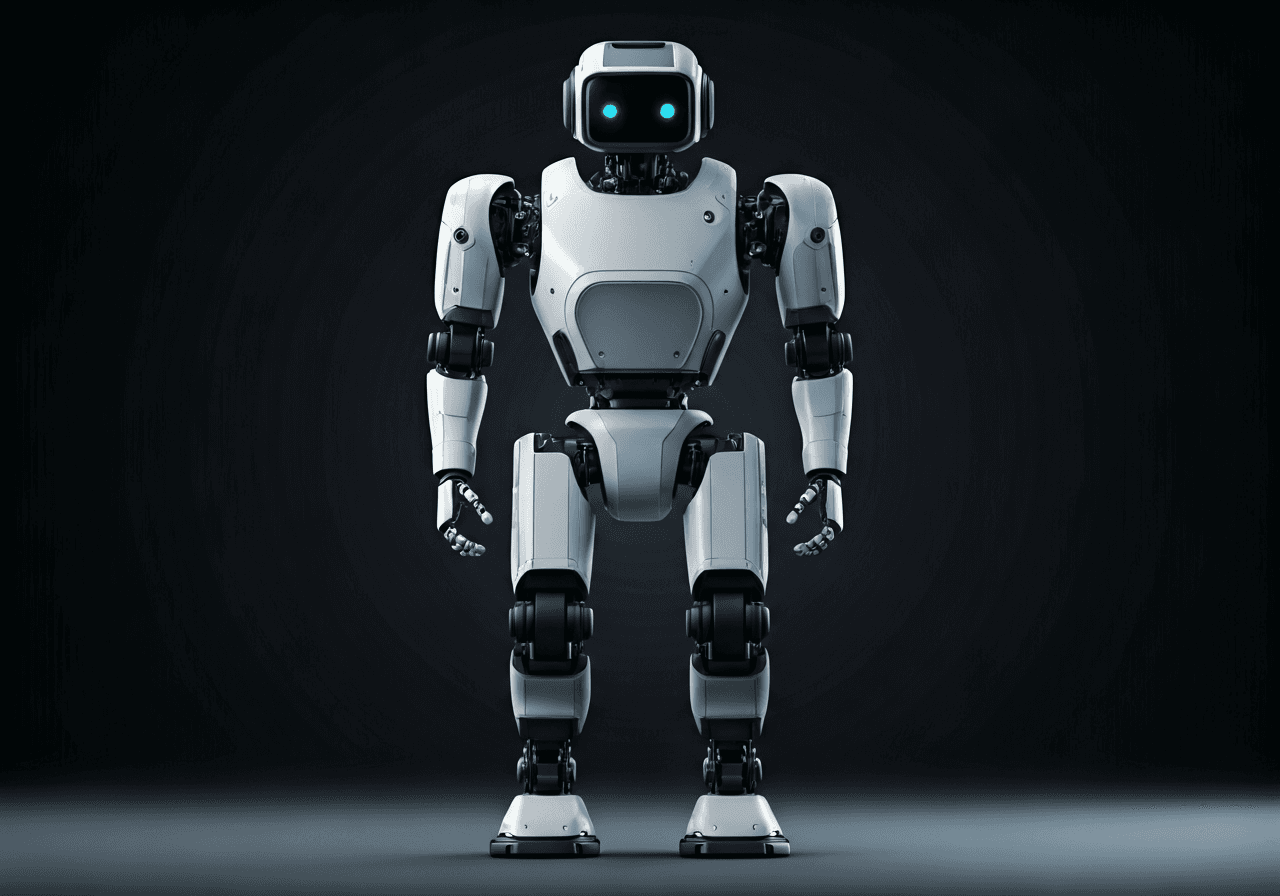
Unitree G1
Consumer-grade humanoid with 23 DoF
Specifications
| Spec | Engineered Arts Tinker | Unitree G1 |
|---|---|---|
| Price (USD) | $0 | $16,000 |
| Category | humanoid | humanoid |
| Payload | null kg | — |
| Runtime | null h | 2 h |
| Speed | null m/s | 2 m/s |
| Weight | null kg | 35 kg |
| Degrees of Freedom | null | 23 |
| Battery | — | 9000mAh |
- Research
- Education
- Demos
- Home companion prototyping
When to pick which
Choose the Engineered Arts Tinker for specialized applications in high-end entertainment, theme parks, or interactive museum exhibits where the brand's heritage in social robotics and lifelike animatronics is a primary requirement. This platform is suited for buyers who prioritize expressive human-robot interaction over raw mobility or industrial payload. However, due to the lack of specific hardware details in the current listing, a precise technical evaluation is not possible. Limited public spec data — request a vendor briefing to confirm the degrees of freedom and software compatibility before committing to a deployment in public-facing hospitality or branding roles.
Opt for the Unitree G1 for academic research, robotics education, or rapid prototyping of consumer-grade home companions. At a $16,000 price point, it is a cost-effective choice for university labs requiring a fleet of humanoids for gait optimization or swarm intelligence studies. The 23 degrees of freedom and 2 m/s speed provide the mechanical agility needed for dynamic movement testing. Buyers should select this model for its robust software ecosystem, utilizing ROS2 Humble and the Unitree SDK2 to develop custom behaviors on a lightweight 35kg frame that offers a practical two-hour runtime for iterative testing cycles.
Ready to evaluate?
Request a vendor quote or compare more options.