Saildrone, Inc. Saildrone SurveyorvsSaildrone Voyager
Side-by-side comparison of Saildrone, Inc. Saildrone Surveyor and Saildrone Voyager: specs, price, use cases and SDKs.
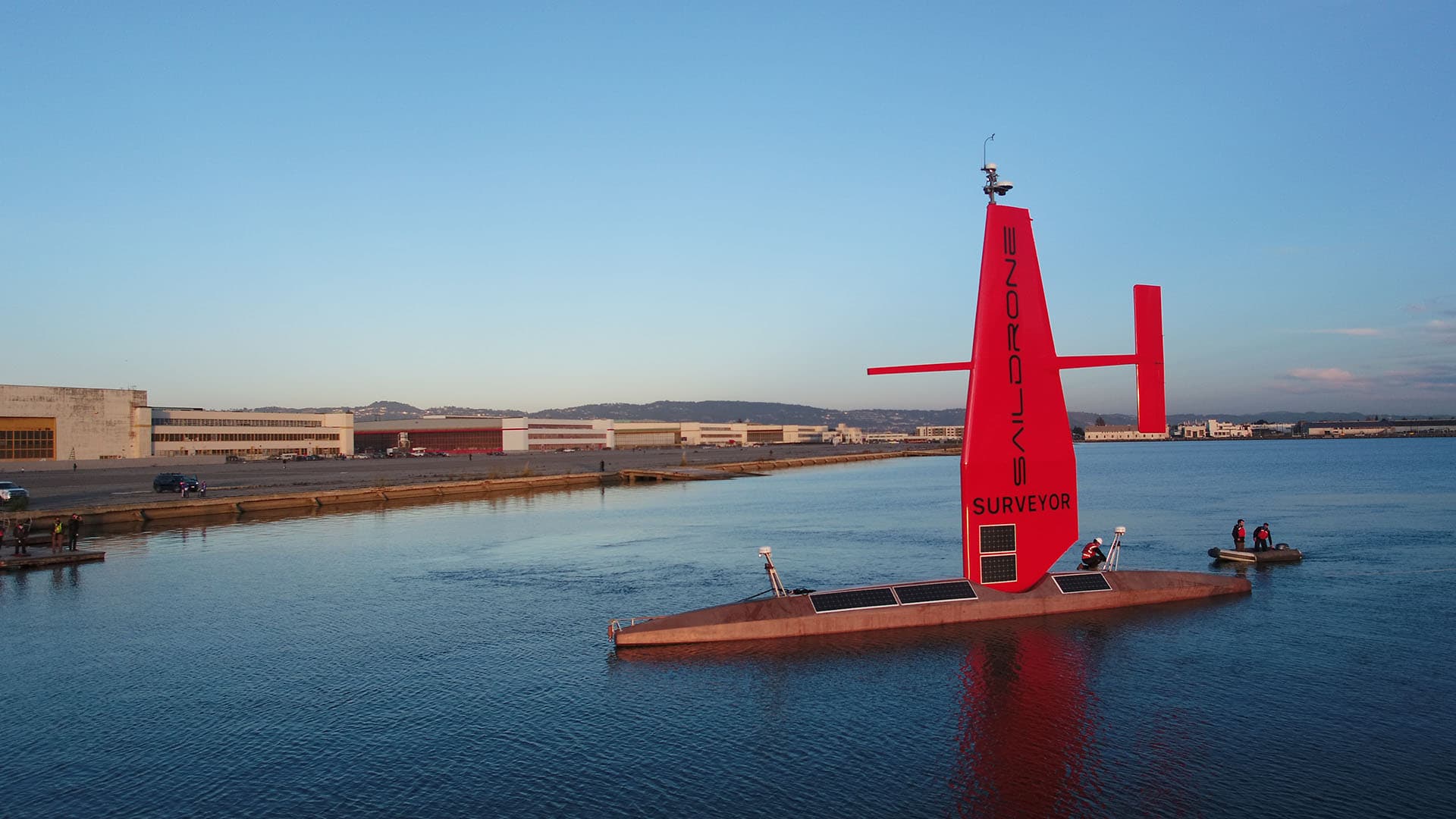
Saildrone Surveyor
Autonomous uncrewed surface vehicle for ocean mapping and maritime security.
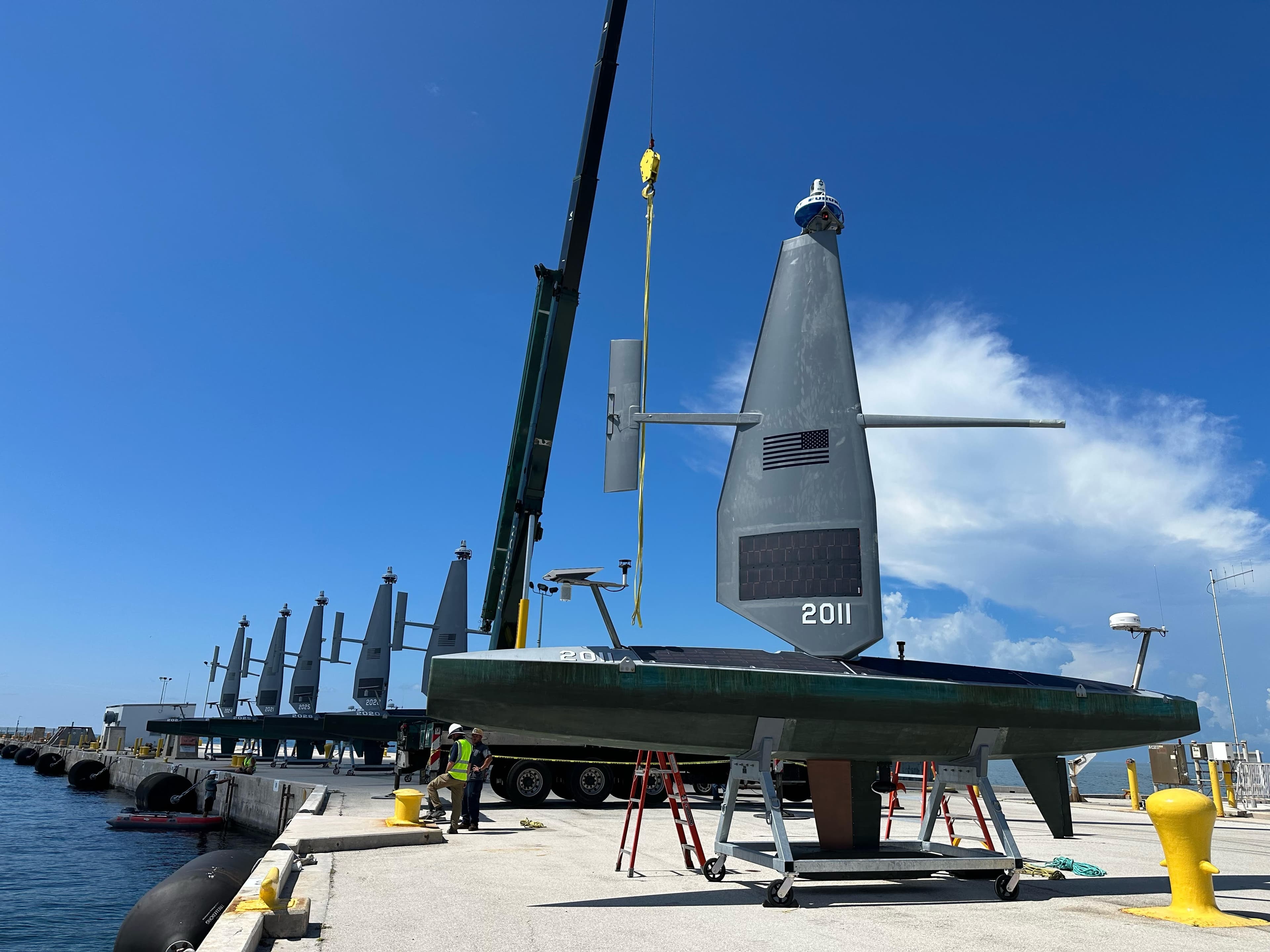
Voyager
Autonomous ocean USV for maritime domain awareness
Specifications
| Spec | Saildrone Surveyor | Voyager |
|---|---|---|
| Price (USD) | $7,500,000 | $0 |
| Category | drone | drone |
| Payload | null kg | — |
| Runtime | 8640 h | 8760 h |
| Speed | 3.08667 m/s | 4 m/s |
| Weight | 13607.8 kg | 750 kg |
| Reach | Global, up to 12 months | — |
| Degrees of Freedom | null | — |
| Battery | Wind, solar, and diesel generator | Solar + wind hybrid |
- Deep-ocean mapping
- Maritime intelligence, surveillance, and reconnaissance (ISR)
- Anti-submarine warfare (ASW)
- Cable route surveys
- Environmental characterization
- Maritime domain awareness (Navy)
- Hydrographic survey
- Illegal fishing detection
- Ocean carbon monitoring
When to pick which
Choose the Saildrone Surveyor for large-scale national security or infrastructure projects requiring deep-water capabilities, such as anti-submarine warfare (ASW) or transoceanic cable route surveys. Its 13,607 kg frame and integrated diesel generator provide the power density necessary for high-resolution multibeam sonar systems that map the seabed at depths up to 7,000 meters. While the Voyager is limited by solar/wind power, the Surveyor’s hybrid system ensures continuous operation of energy-intensive sensors in remote, high-latitude environments where solar gain is insufficient. It is the primary choice for defense contractors and telecommunications firms needing heavy-duty, long-endurance maritime intelligence.
Opt for the Saildrone Voyager for persistent maritime domain awareness and environmental monitoring tasks where agility and zero-emission endurance are prioritized. At 750 kg, it is significantly more deployable than the Surveyor and achieves a higher top speed of 4 m/s, making it ideal for intercepting illegal fishing vessels or monitoring coastal borders. The solar and wind hybrid power system supports a full year of runtime without diesel refueling, reducing operational complexity for fisheries enforcement and ocean carbon research. Choose this model for high-frequency hydrographic surveys and near-shore surveillance where a smaller, purely renewable footprint is more cost-effective.
Ready to evaluate?
Request a vendor quote or compare more options.