1X Technologies NEOvsApptronik Apollo
Side-by-side comparison of 1X Technologies NEO and Apptronik Apollo: specs, price, use cases and SDKs.
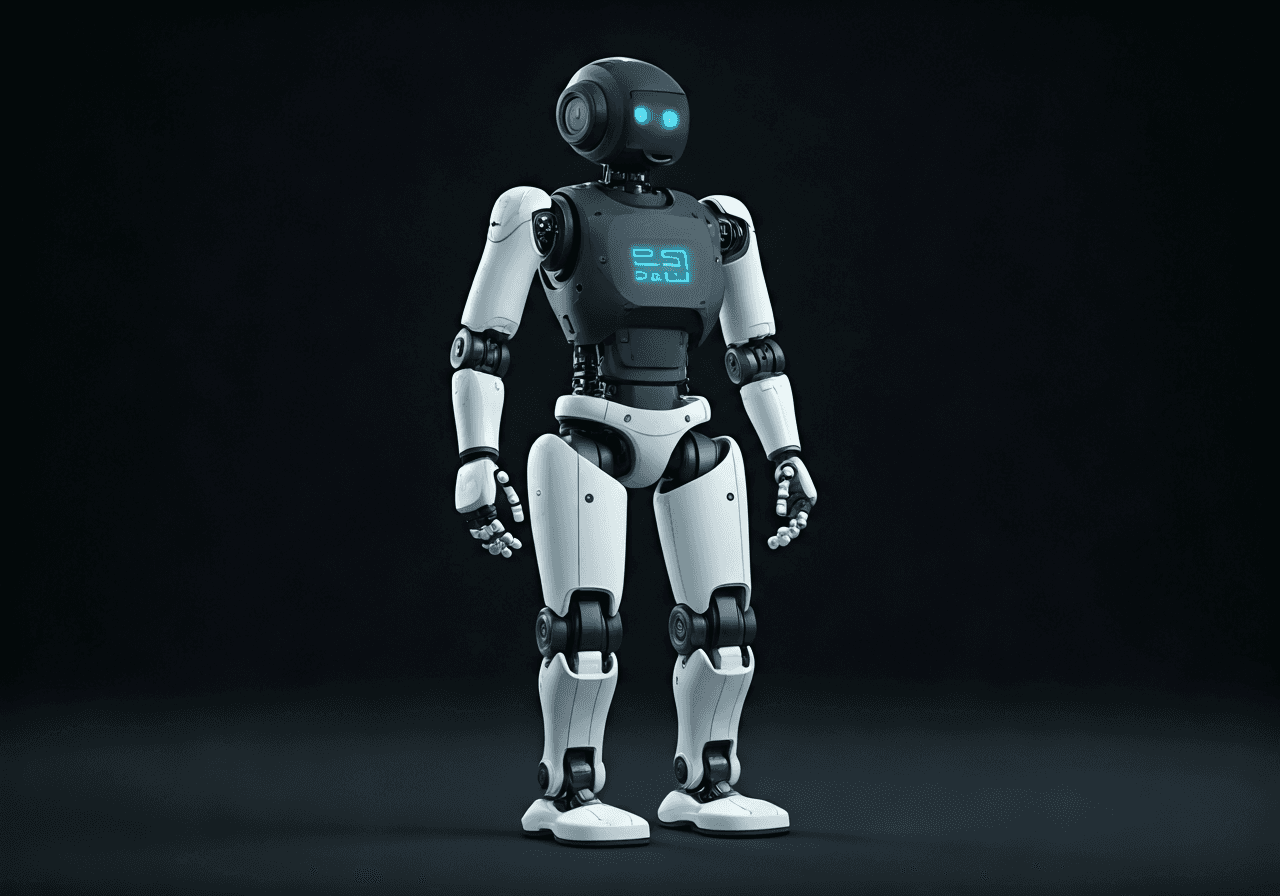
NEO
Soft-bodied home humanoid
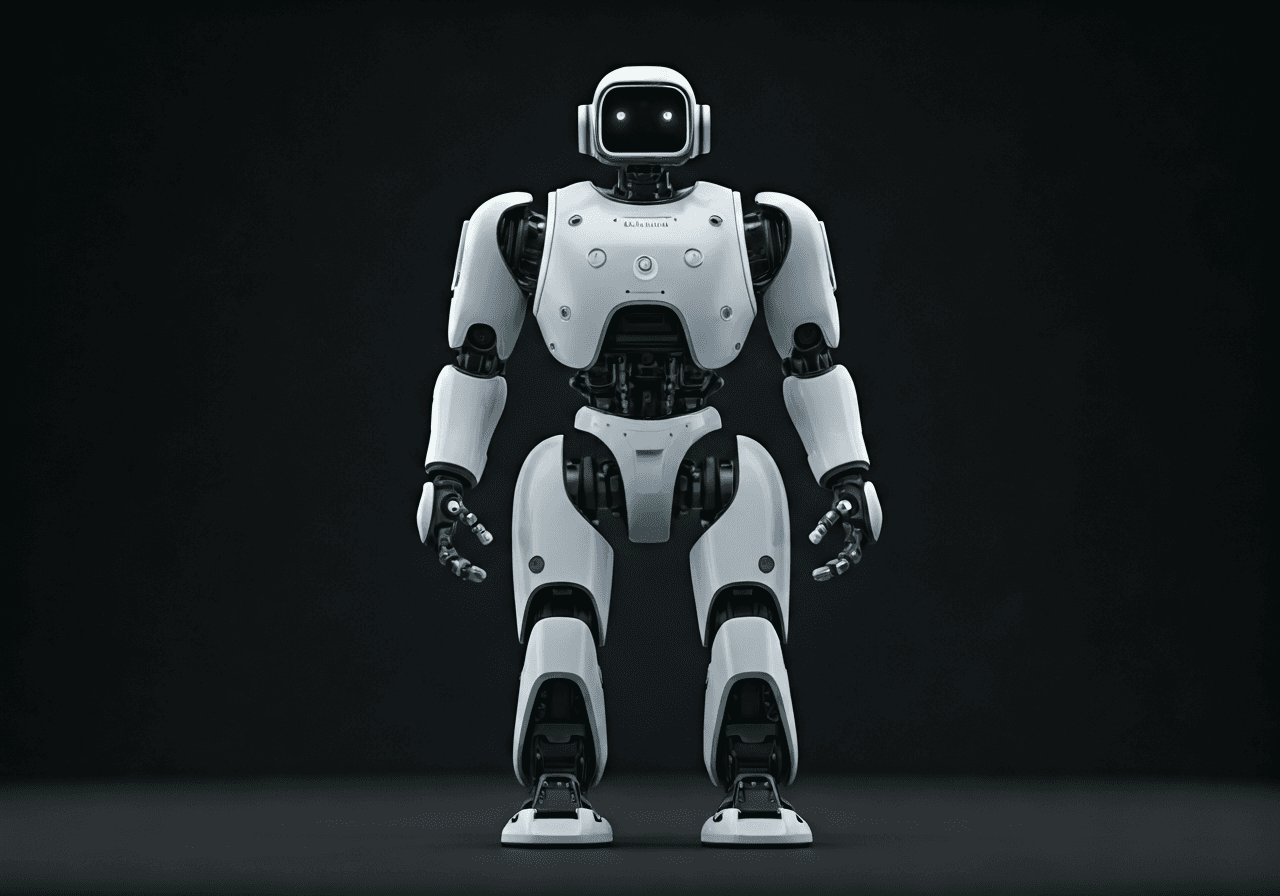
Apollo
General-purpose humanoid for logistics
Specifications
| Spec | NEO | Apollo |
|---|---|---|
| Price (USD) | $20,000 | $120,000 |
| Category | humanoid | humanoid |
| Payload | 20 kg | 25 kg |
| Runtime | 4 h | 4 h |
| Weight | 30 kg | 73 kg |
- Home assistance
- Elderly care
- Housework
- Logistics
- Manufacturing
- Warehousing
When to pick which
Choose the 1X Technologies NEO for residential environments, elderly care facilities, or domestic service R&D where human-robot interaction safety is the primary constraint. At $20,000, it provides a cost-effective entry point for large-scale fleet deployment in home assistance tasks. Its 30kg lightweight, soft-bodied design minimizes injury risks in tight living spaces compared to heavier industrial models. Developers focusing on consumer-facing applications should leverage the Python SDK to prototype housework automation. NEO’s 20kg payload is sufficient for groceries or laundry, making it the superior choice for high-volume deployments in the silver economy or private households.
Select the Apptronik Apollo for industrial logistics, warehouse automation, or manufacturing environments requiring integration with existing robotic ecosystems via ROS2. While the $120,000 price point is higher, Apollo’s 73kg robust frame and 25kg payload capacity are engineered for the rigors of palletizing and material handling in high-throughput facilities. It is the better choice for enterprise-scale operations where durability and standardized middleware support are critical for uptime. Buyers should prioritize Apollo when deploying in brownfield industrial sites where the robot must navigate heavy-duty flooring and interact with standardized logistics equipment.
Ready to evaluate?
Request a vendor quote or compare more options.