1X Technologies NEOvsUnitree Robotics H1
Side-by-side comparison of 1X Technologies NEO and Unitree Robotics H1: specs, price, use cases and SDKs.
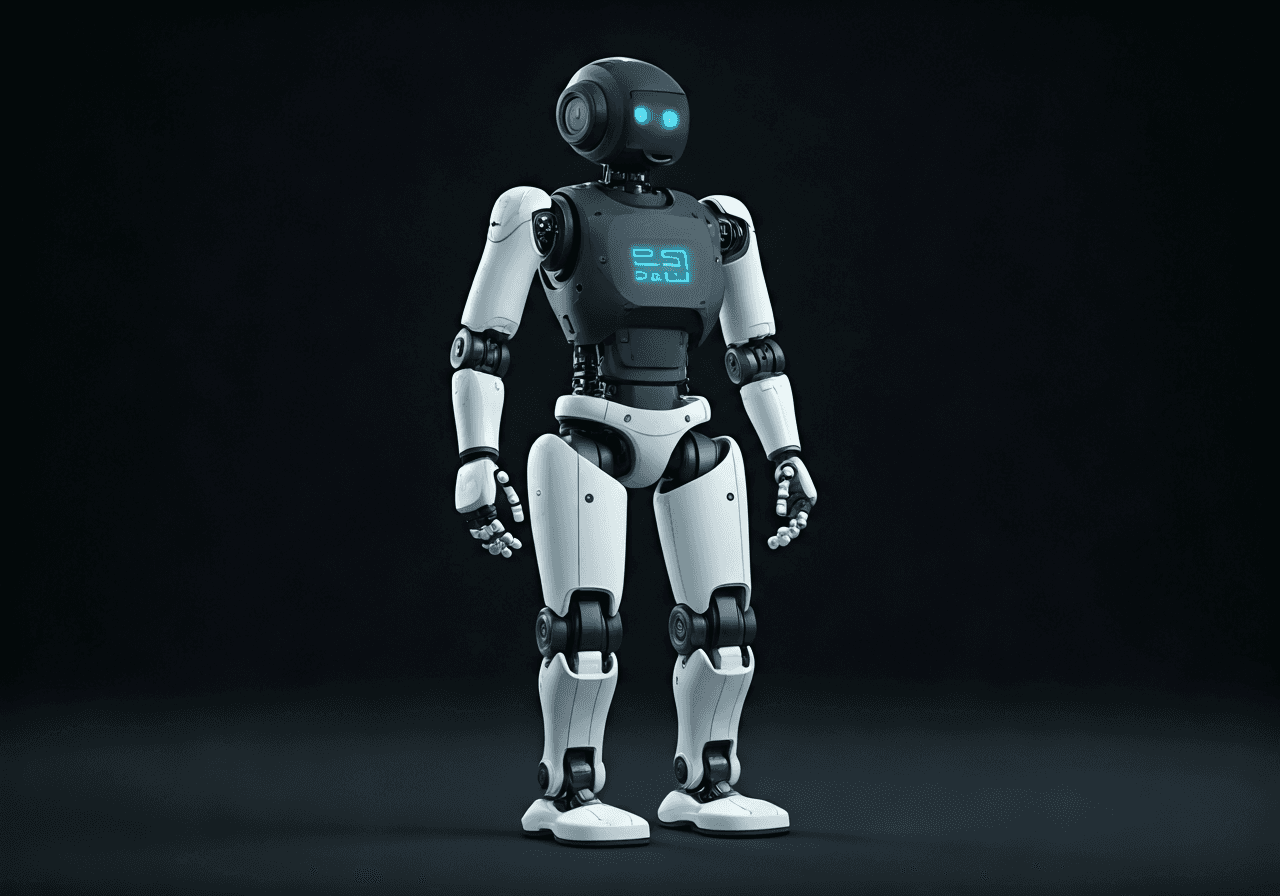
NEO
Soft-bodied home humanoid

H1
Sub-$100K Chinese humanoid — fastest walker in class
Specifications
| Spec | NEO | H1 |
|---|---|---|
| Price (USD) | $20,000 | $90,000 |
| Category | humanoid | humanoid |
| Payload | 20 kg | 30 kg |
| Runtime | 4 h | 2 h |
| Speed | — | 3.3 m/s |
| Weight | 30 kg | 47 kg |
| Degrees of Freedom | — | 19 |
- Home assistance
- Elderly care
- Housework
- Humanoid robotics research
- Industrial R&D
- Content creation / film
- Robotics competitions
When to pick which
Choose the 1X Technologies NEO for residential care facilities or domestic service startups requiring safe human-robot interaction. Its soft-bodied design is a critical safety constraint for elderly care and housework, minimizing injury risks in crowded home environments. At a $20,000 price point, it suits large-scale deployments where cost-per-unit is a primary barrier. The 4-hour runtime allows for extended shifts in light logistics or housekeeping without frequent charging interruptions. Buyers prioritizing payload-to-weight efficiency will benefit from its 20kg capacity on a 30kg frame, making it ideal for carrying groceries or laundry in tight domestic spaces.
Select the Unitree Robotics H1 for university robotics labs or industrial R&D departments focused on high-speed locomotion and bipedal dynamics. With a top speed of 3.3 m/s, it is the superior choice for outdoor navigation research or time-sensitive industrial inspections. The open-source Unitree SDK and ROS2 driver support provide the low-level control necessary for developing custom gait algorithms or competing in robotics leagues. While priced at $90,000, its 19 degrees of freedom and 30kg payload capacity accommodate heavy sensor payloads like LiDAR or industrial grippers required for complex mapping and autonomous manipulation tasks.
Ready to evaluate?
Request a vendor quote or compare more options.