Apptronik ApollovsEngineered Arts Ameca
Side-by-side comparison of Apptronik Apollo and Engineered Arts Ameca: specs, price, use cases and SDKs.
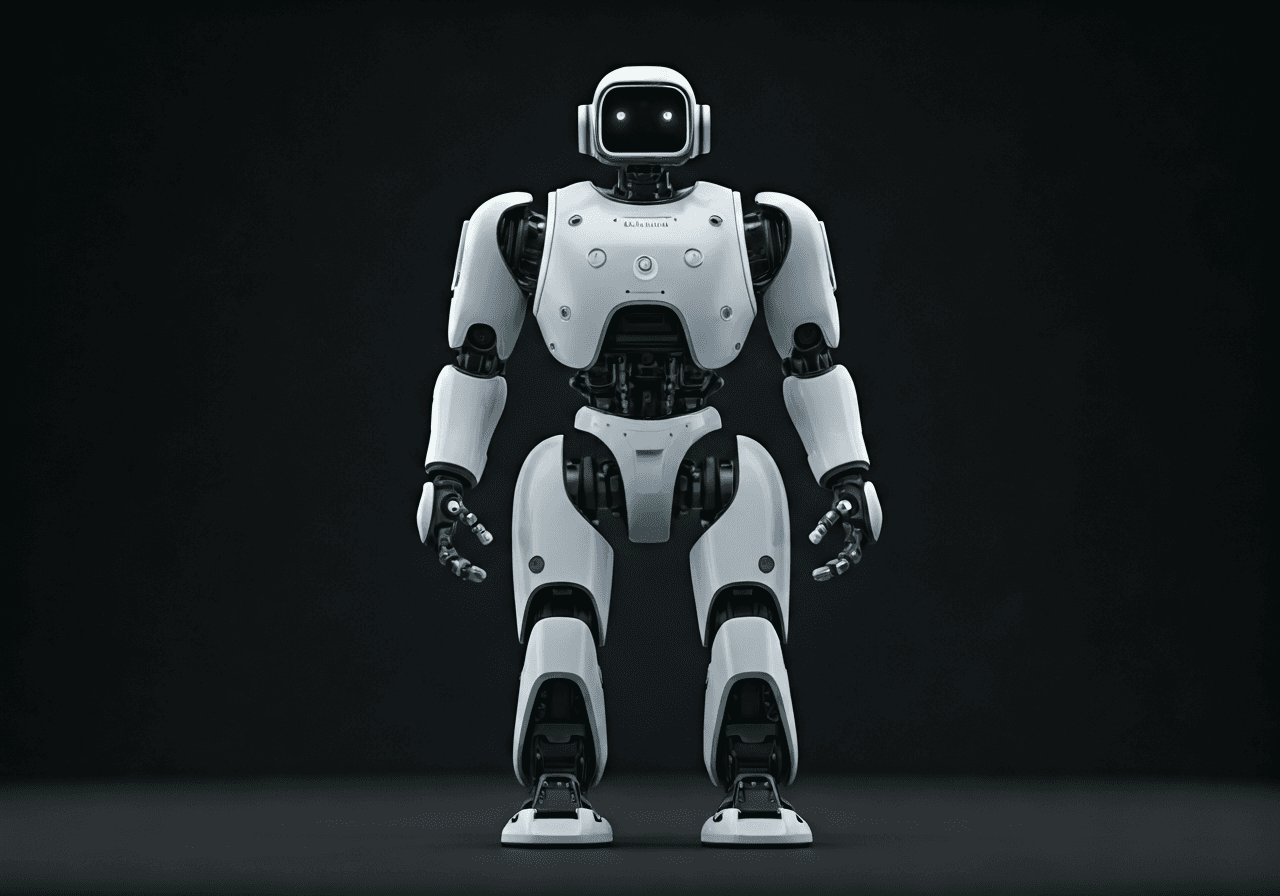
Apollo
General-purpose humanoid for logistics
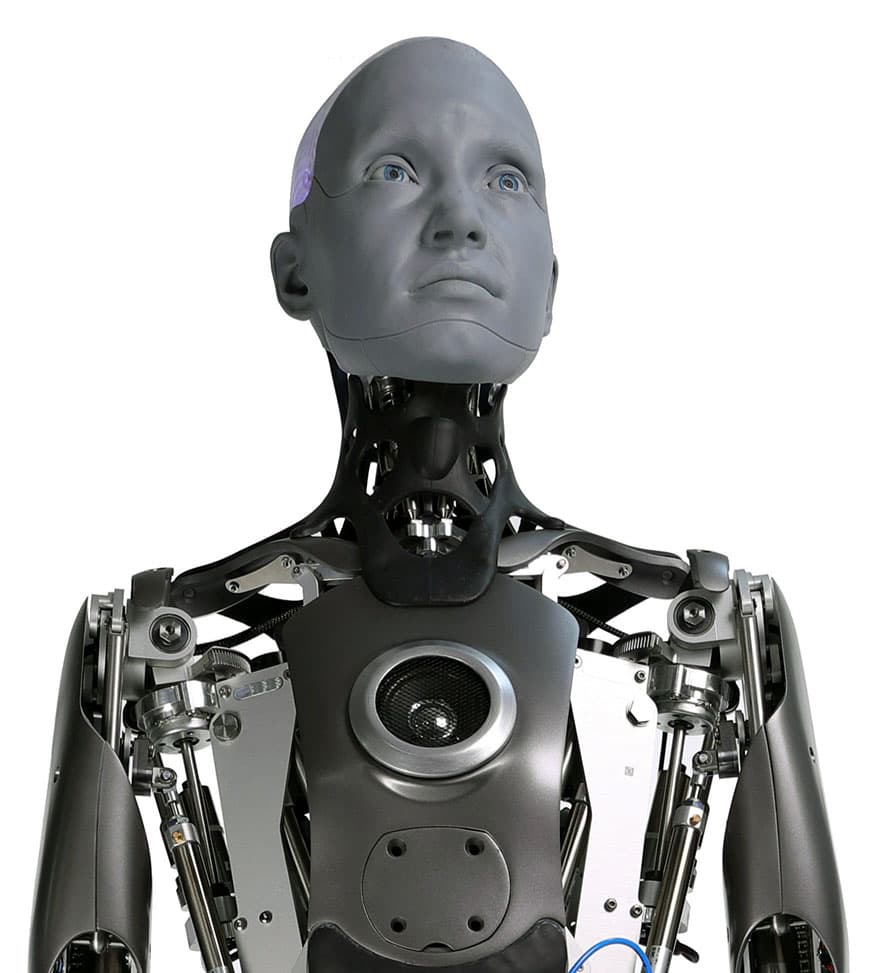
Ameca
Hyper-realistic humanoid face + upper-body for HRI research
Specifications
| Spec | Apollo | Ameca |
|---|---|---|
| Price (USD) | $120,000 | $175,000 |
| Category | humanoid | humanoid |
| Payload | 25 kg | — |
| Runtime | 4 h | — |
| Weight | 73 kg | 50 kg |
| Reach | — | Upper-body humanoid |
| Degrees of Freedom | — | 51 |
- Logistics
- Manufacturing
- Warehousing
- HRI research
- Museum / theme park installations
- Brand activations
- Film + TV
When to pick which
Choose the Apptronik Apollo for industrial automation within logistics and manufacturing environments where physical throughput is the primary KPI. A warehouse operations manager should select Apollo when the task requires moving heavy payloads up to 25kg or performing repetitive material handling across a four-hour shift. Its ROS2 compatibility and $120,000 price point make it a more viable candidate for scaling a fleet of mobile manipulators compared to research-focused units. Apollo is the correct choice for buyers prioritizing ruggedness and lifting capacity over social interaction or facial fidelity.
Select the Engineered Arts Ameca for human-robot interaction (HRI) research, high-traffic museum installations, or luxury brand activations where social engagement is the objective. A university lab or theme park developer should choose Ameca to leverage its 51 degrees of freedom and hyper-realistic facial expressions, which are essential for studying social cues or entertaining crowds. With integrated LLM plugins for OpenAI and Google, Ameca excels in conversational tasks and public-facing roles. While the $175,000 cost is higher, the investment is justified by its specialized Tritium OS and superior expressive capabilities for non-industrial, interactive environments.
Ready to evaluate?
Request a vendor quote or compare more options.