Apptronik ApollovsSanctuary AI Phoenix Gen 7
Side-by-side comparison of Apptronik Apollo and Sanctuary AI Phoenix Gen 7: specs, price, use cases and SDKs.
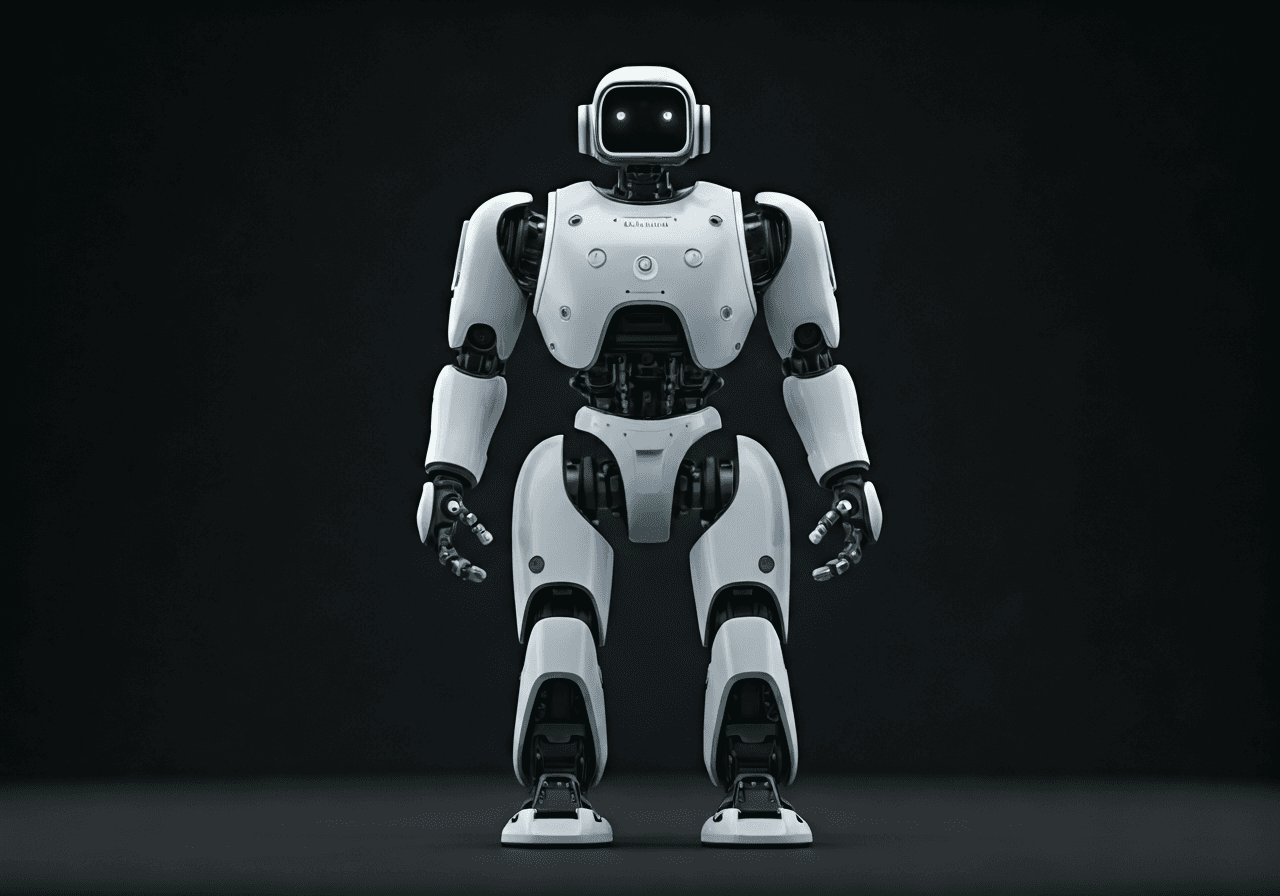
Apollo
General-purpose humanoid for logistics
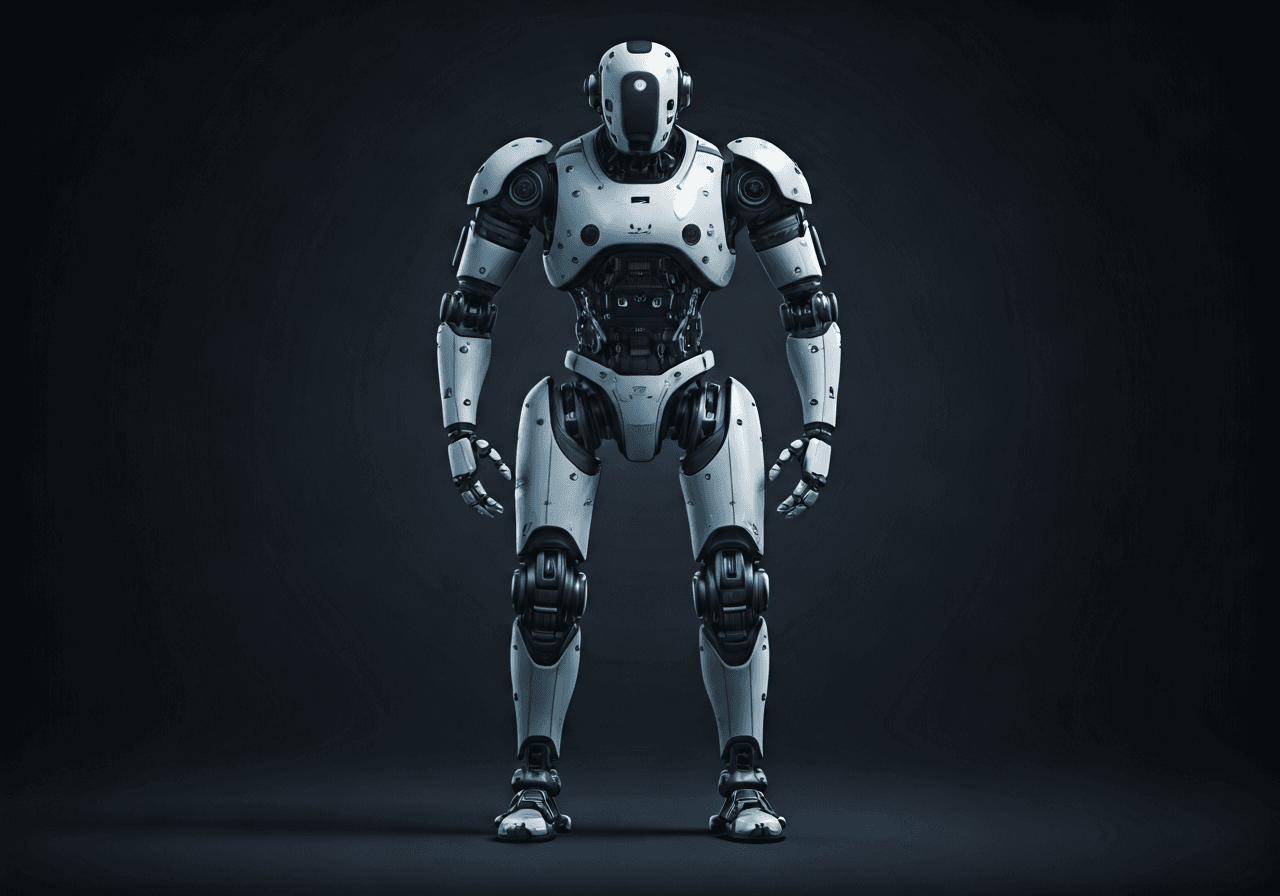
Phoenix Gen 7
Cognitive humanoid with Carbon AI
Specifications
| Spec | Apollo | Phoenix Gen 7 |
|---|---|---|
| Price (USD) | $120,000 | $250,000 |
| Category | humanoid | humanoid |
| Payload | 25 kg | 25 kg |
| Runtime | 4 h | 6 h |
| Weight | 73 kg | 70 kg |
| Degrees of Freedom | — | 40 |
- Manufacturing
- Logistics
- Warehousing
- Retail stocking
- Labor automation
When to pick which
Choose the Apptronik Apollo for large-scale logistics and warehouse deployments where unit economics and integration flexibility are the primary constraints. At $120,000, Apollo offers a significantly lower barrier to entry for fleet-scale operations compared to the Phoenix. Its support for ROS2 makes it the ideal candidate for engineering teams looking to integrate humanoids into existing automated workflows using standard middleware. Select this robot for repetitive, high-volume tasks like case picking or palletizing in brownfield sites where a 25kg payload and 4-hour runtime provide a cost-effective alternative to more expensive cognitive models.
Opt for the Sanctuary AI Phoenix Gen 7 for specialized retail stocking or complex assembly tasks that demand high manual dexterity and cognitive adaptability. While the $250,000 price point is higher, the 40 degrees of freedom and integrated Carbon AI system allow it to handle nuanced labor automation that standard humanoids struggle with. The 6-hour runtime is a critical advantage for multi-shift retail environments, minimizing the frequency of battery swaps. Choose Phoenix for pilot programs in dynamic environments where the robot must learn varied tasks and interact with a wide range of consumer goods.
Ready to evaluate?
Request a vendor quote or compare more options.