Apptronik ApollovsUBTECH Walker S2
Side-by-side comparison of Apptronik Apollo and UBTECH Walker S2: specs, price, use cases and SDKs.
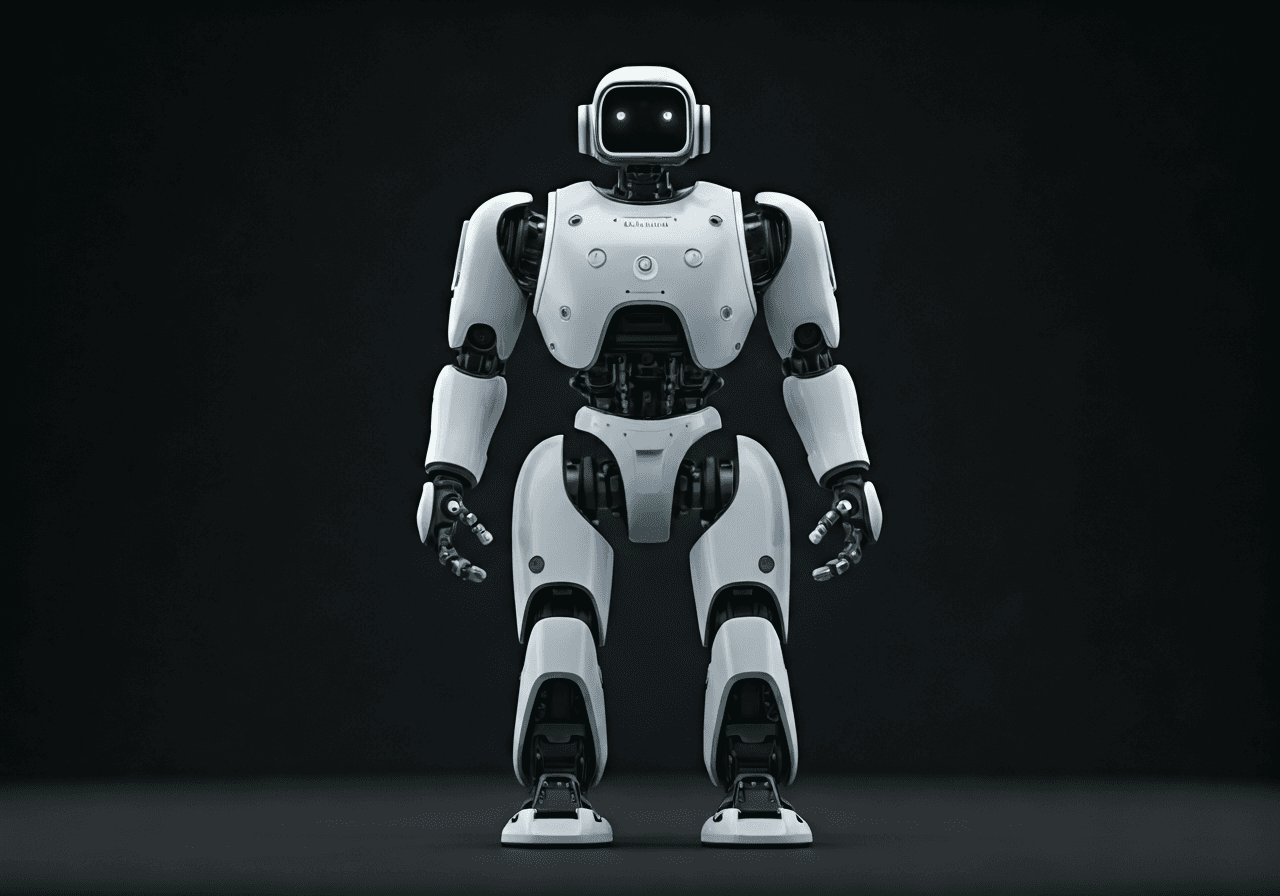
Apollo
General-purpose humanoid for logistics
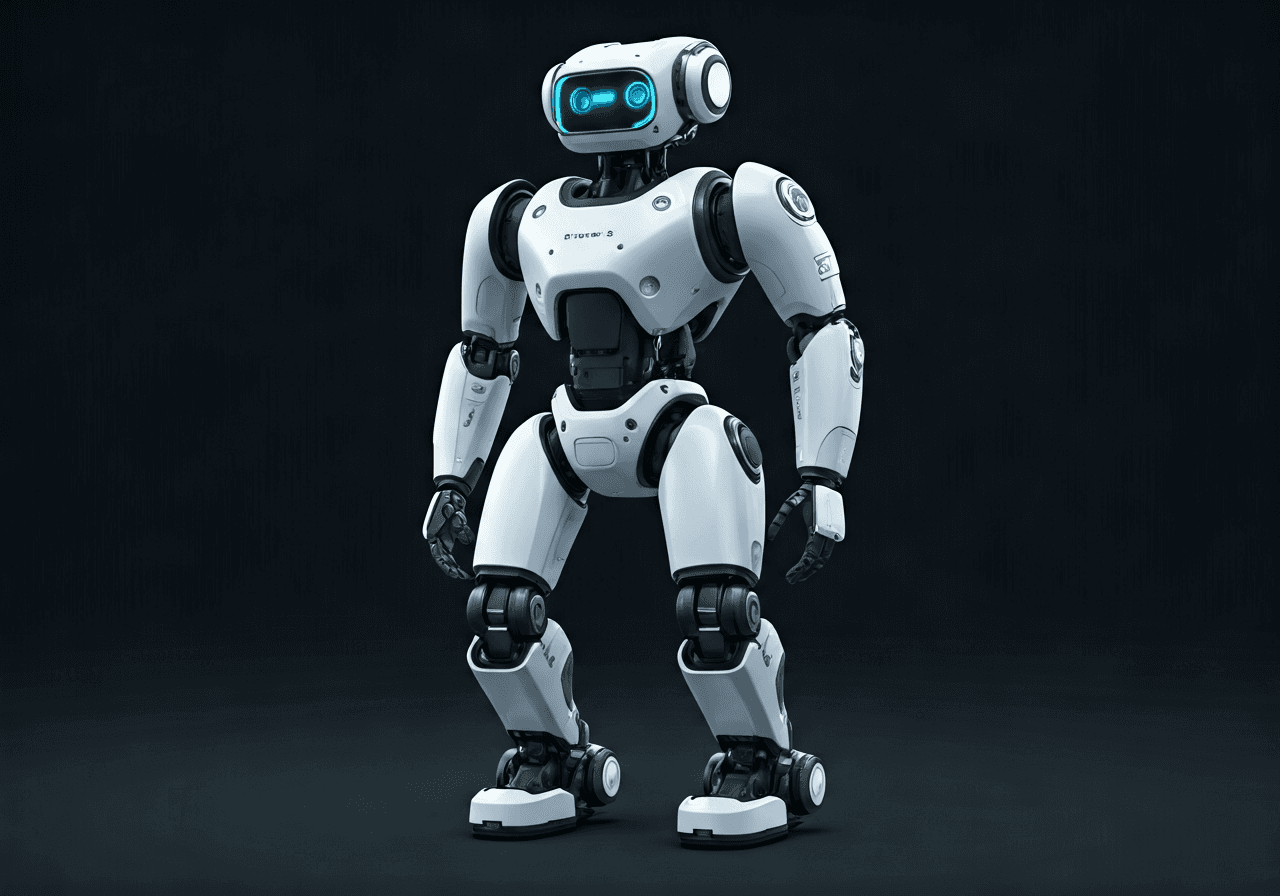
Walker S2
Swappable-battery industrial humanoid
Specifications
| Spec | Apollo | Walker S2 |
|---|---|---|
| Price (USD) | $120,000 | $40,000 |
| Category | humanoid | humanoid |
| Payload | 25 kg | 15 kg |
| Runtime | 4 h | 4 h |
| Weight | 73 kg | 95 kg |
- Logistics
- Manufacturing
- Warehousing
- Factory automation
- Industrial pilots
When to pick which
Choose the Apptronik Apollo for high-throughput logistics and heavy-duty manufacturing where payload capacity is the primary constraint. With a 25kg payload limit, Apollo handles significantly heavier materials than the Walker S2, making it essential for moving full shipping totes or heavy automotive components. Its 73kg frame is also lighter, improving power efficiency and safety in collaborative environments. Organizations already utilizing ROS2 for their robotics stack should select Apollo to ensure seamless integration with existing software architectures. This robot is the better investment for production-scale deployments requiring robust physical performance and open-standard software compatibility.
Select the UBTECH Walker S2 for industrial pilot programs and factory automation trials where budget efficiency and continuous operation are paramount. At $40,000, the Walker S2 allows for a three-to-one deployment ratio against the Apollo, enabling broader testing across multiple workstations. The swappable-battery feature is a decisive factor for multi-shift environments, ensuring the robot remains active on the floor while spare batteries charge. While the 15kg payload is more limited, it is well-suited for light-parts delivery and visual inspection tasks. It is the optimal choice for buyers prioritizing fleet scale and operational uptime over raw lifting power.
Ready to evaluate?
Request a vendor quote or compare more options.