Tesla Optimus Gen 2vsUBTECH Walker S2
Side-by-side comparison of Tesla Optimus Gen 2 and UBTECH Walker S2: specs, price, use cases and SDKs.
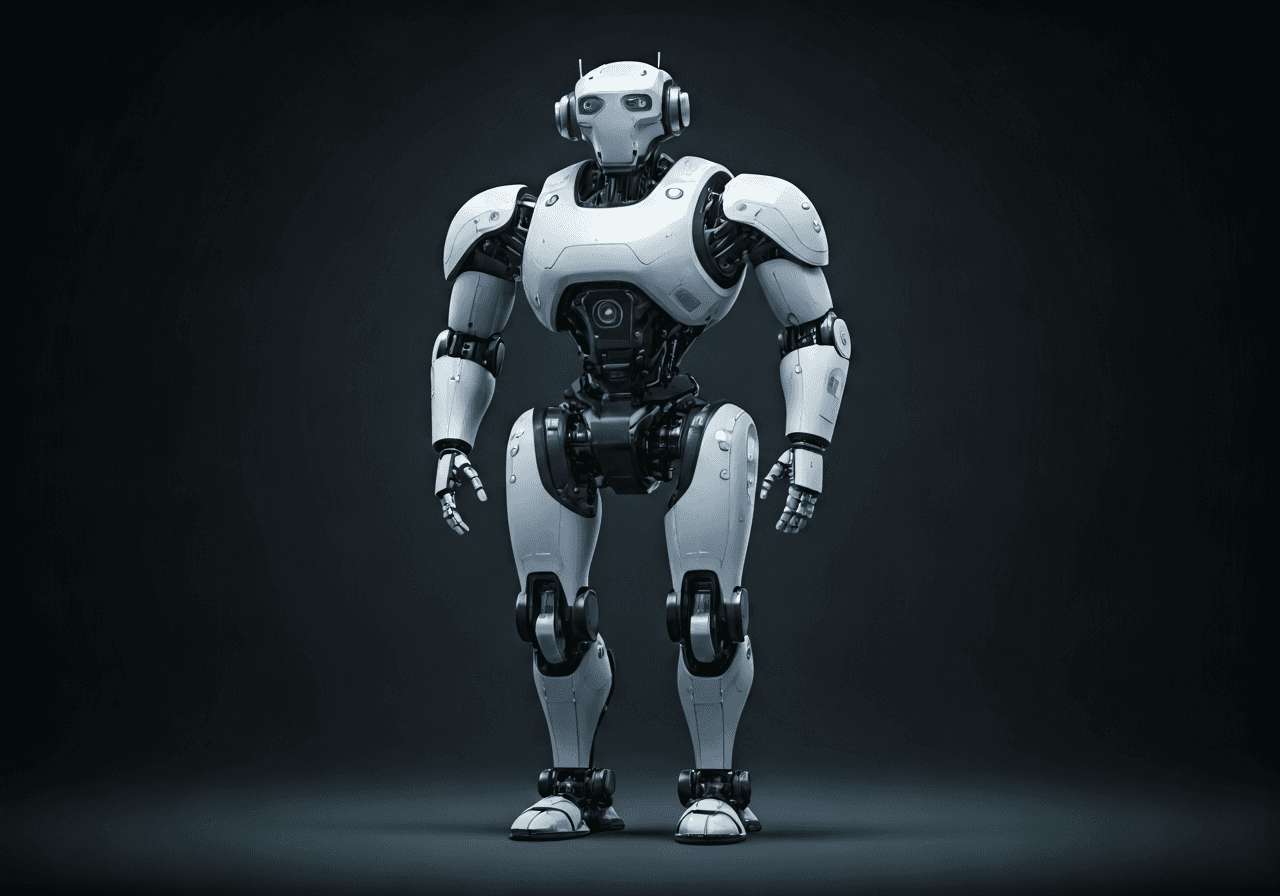
Optimus Gen 2
General-purpose humanoid from Tesla
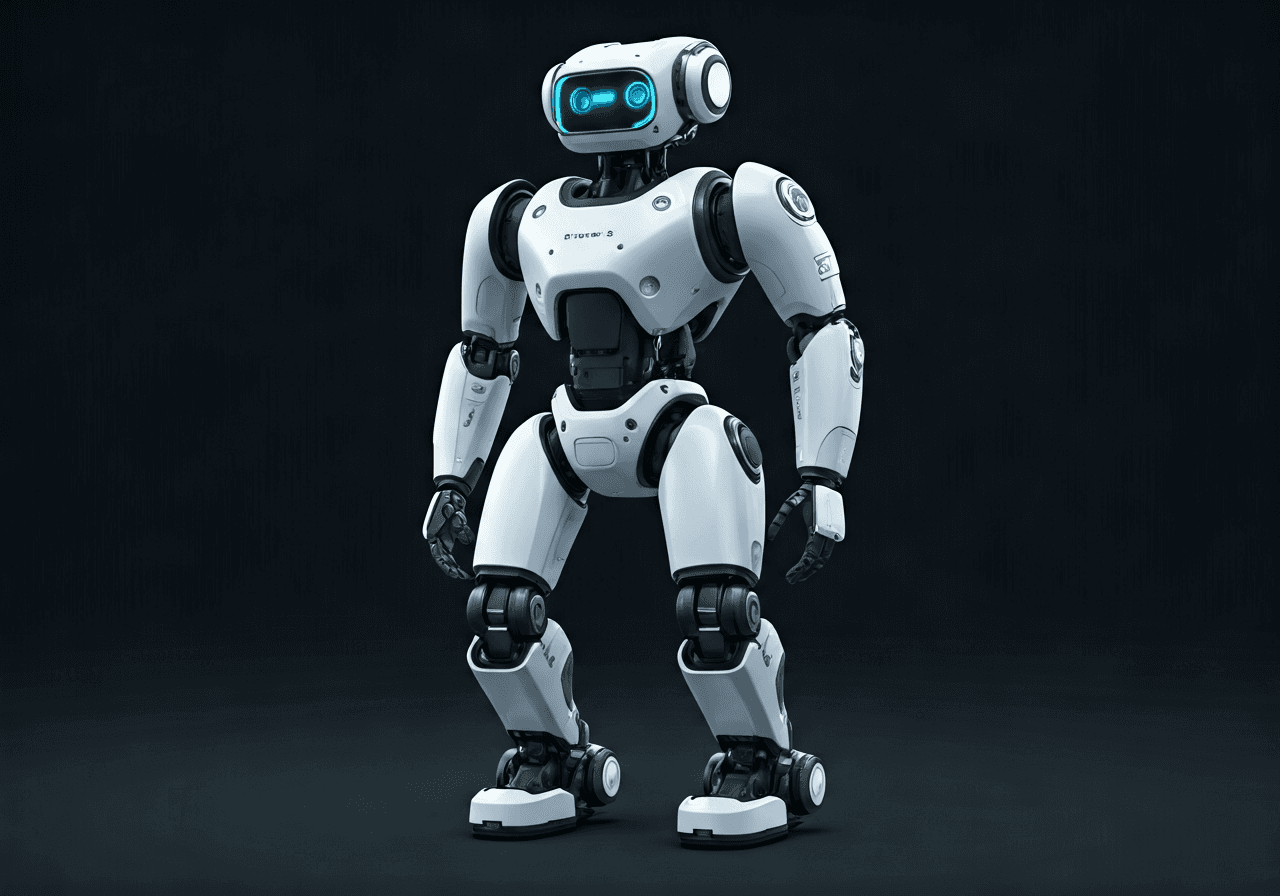
Walker S2
Swappable-battery industrial humanoid
Specifications
| Spec | Optimus Gen 2 | Walker S2 |
|---|---|---|
| Price (USD) | $30,000 | $40,000 |
| Category | humanoid | humanoid |
| Payload | — | 15 kg |
| Runtime | 8 h | 4 h |
| Speed | 2.5 m/s | — |
| Weight | 57 kg | 95 kg |
| Degrees of Freedom | 28 | — |
- Factory automation
- Logistics
- Home assistance
- Industrial pilots
When to pick which
Select the Tesla Optimus Gen 2 for large-scale logistics deployments or residential service pilots where cost-per-unit and operational endurance are the primary constraints. At a $30,000 price point with an 8-hour runtime, it offers a superior ROI for fleet managers needing high-uptime robots for lightweight sorting or mobile assistance. Its 57kg frame and 2.5 m/s speed make it better suited for environments requiring agile movement and human-speed interaction. Developers should prioritize this model if they require Python-based integration for general-purpose AI tasks across diverse, non-specialized environments.
Choose the UBTECH Walker S2 for heavy-duty industrial pilots and manufacturing lines that require consistent material handling. The 15kg payload capacity makes it the necessary choice for transporting heavy components or operating industrial tools that exceed the capabilities of lighter humanoids. While its 4-hour runtime is shorter, the swappable battery feature is critical for 24/7 factory operations where charging downtime is not permitted. The 95kg build offers the structural rigidity needed for high-torque tasks, making it the preferred platform for rugged industrial environments using the UBTECH Open Platform.
Ready to evaluate?
Request a vendor quote or compare more options.