Bear Robotics Servi Q targets the restaurant layouts service robots usually lose
Bear Robotics used the National Restaurant Association Show 2026 in Chicago to unveil Servi Q, a compact service robot built for the restaurant layouts that often block robot adoption in the first pla
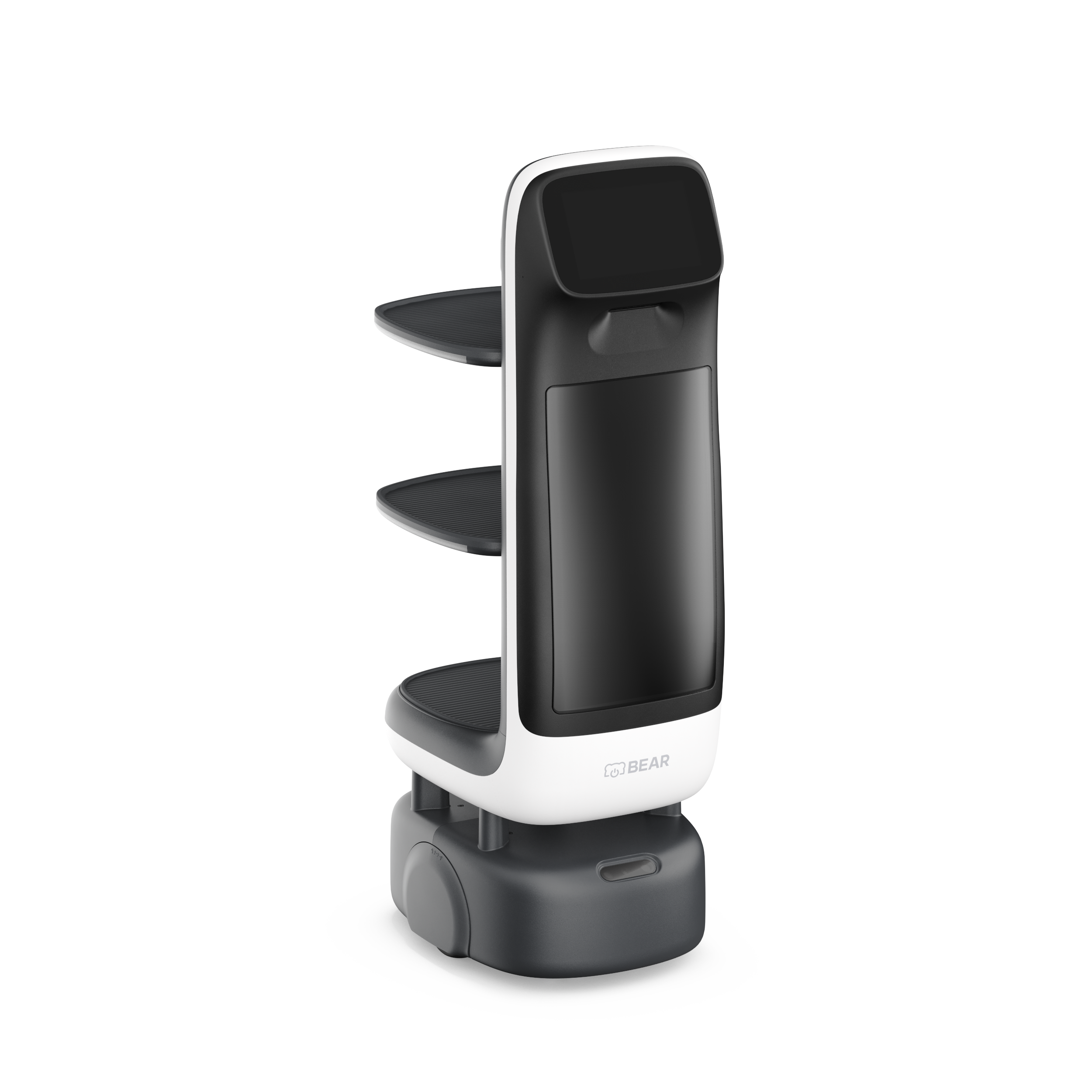
Bear Robotics used the National Restaurant Association Show 2026 in Chicago to unveil Servi Q, a compact service robot built for the restaurant layouts that often block robot adoption in the first place: narrow aisles, tight kitchen corridors, crowded bar areas and congested pickup zones.
The May 16 announcement positions Servi Q as the smallest and most flexible member of the Servi family, developed with SoftBank Robotics and aimed at restaurants, cafes, hotels and venues that want food running, bussing or guest engagement without redesigning their floor plan. Bear's simple pitch is that if a venue has a hallway, it should have room for Servi Q.
The headline spec is space. Bear says Servi Q can operate through an 18-inch minimum passage width. That is commercially important because many service-robot deployments fail before ROI math starts: the dining room is too dense, the route from kitchen to table is too narrow, or staff have to constantly work around the robot.
Servi Q is also designed as a fleet product rather than a standalone novelty. Bear says the robot communicates peer-to-peer with other robots in the Bear Robotics ecosystem, allowing operators to run mixed fleets where Servi Plus handles the main room while Servi Q handles tighter zones. The company says the fleet self-organizes without centralized network dependency, congestion or deadlocks.
The product is not just a smaller tray carrier. Bear lists a built-in display screen for specials, promotions, branded content and wayfinding, plus stable liquid delivery across thresholds and sudden stops, backward movement when there is no room to turn, backward obstacle detection, and a wheel-cleaning mode with a tangle-resistant wheel design.
For buyers, that makes Servi Q less about replacing staff and more about solving a narrow deployment constraint. Hospitality robots already work best when they automate repetitive point-to-point movement while human staff handle hospitality, exceptions and judgment. The missing piece has been physical fit: can the robot operate during rush hour without becoming another obstacle?
That is why Servi Q should be compared against Pudu's compact service robots, Keenon's restaurant fleet, Bear's own Servi and Servi Plus, and local integrators that can map venues before procurement. Payload, runtime and pricing still need to be confirmed in buyer-specific proposals, but the 18-inch navigation claim gives operators a clear first screening question.
The timing also matters. SoftBank Robotics is separately bringing autonomous cooking robots to the U.S. restaurant market, and Bear is expanding the Servi ecosystem beyond a single robot form factor. Restaurants are no longer evaluating one robot at a time. They are starting to evaluate mixed automation stacks: cooking, running, bussing, cleaning, pickup, replenishment and guest messaging.
RoboHub now lists Servi Q as a compact hospitality AMR. The practical procurement path is straightforward: ask for a live route map of the actual venue, proof of operation in the tightest corridor, liquid-delivery tests, traffic behavior during peak service, integration with existing Servi fleets, support terms, cleaning procedures, rollout region and whether pricing is purchase, lease or RaaS.
The stronger Bear's answer is to those operational questions, the more Servi Q becomes a useful signal for the next phase of restaurant robotics: not bigger machines for showcase venues, but smaller robots that fit the messy floor plans where most hospitality work actually happens.
Need this kind of robot for your operation?
Send us the use case. We return a vendor-neutral shortlist, indicative pricing, and warm vendor contacts within 48 hours.