Classover turns Unitree robots into an embodied AI classroom platform
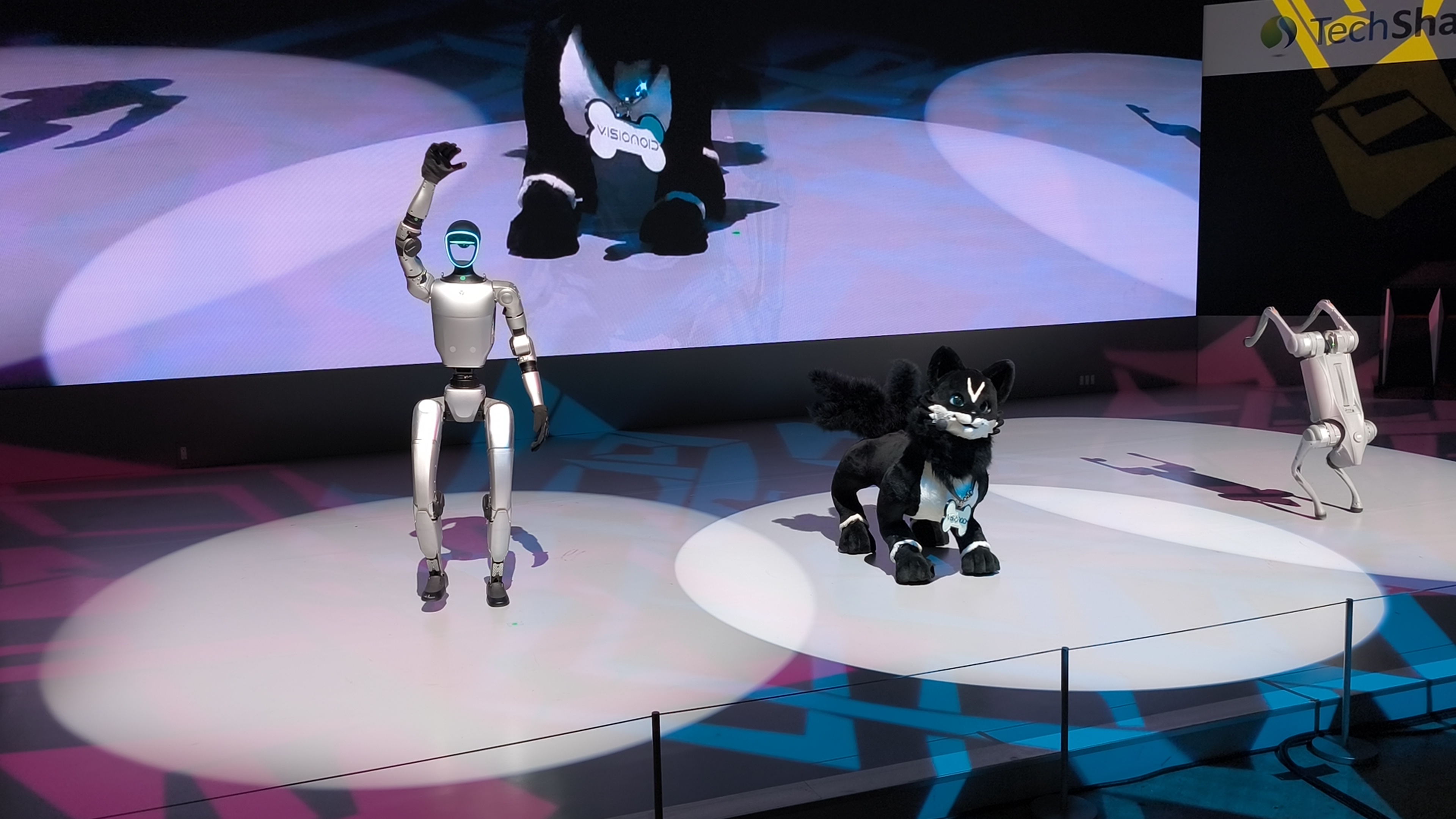
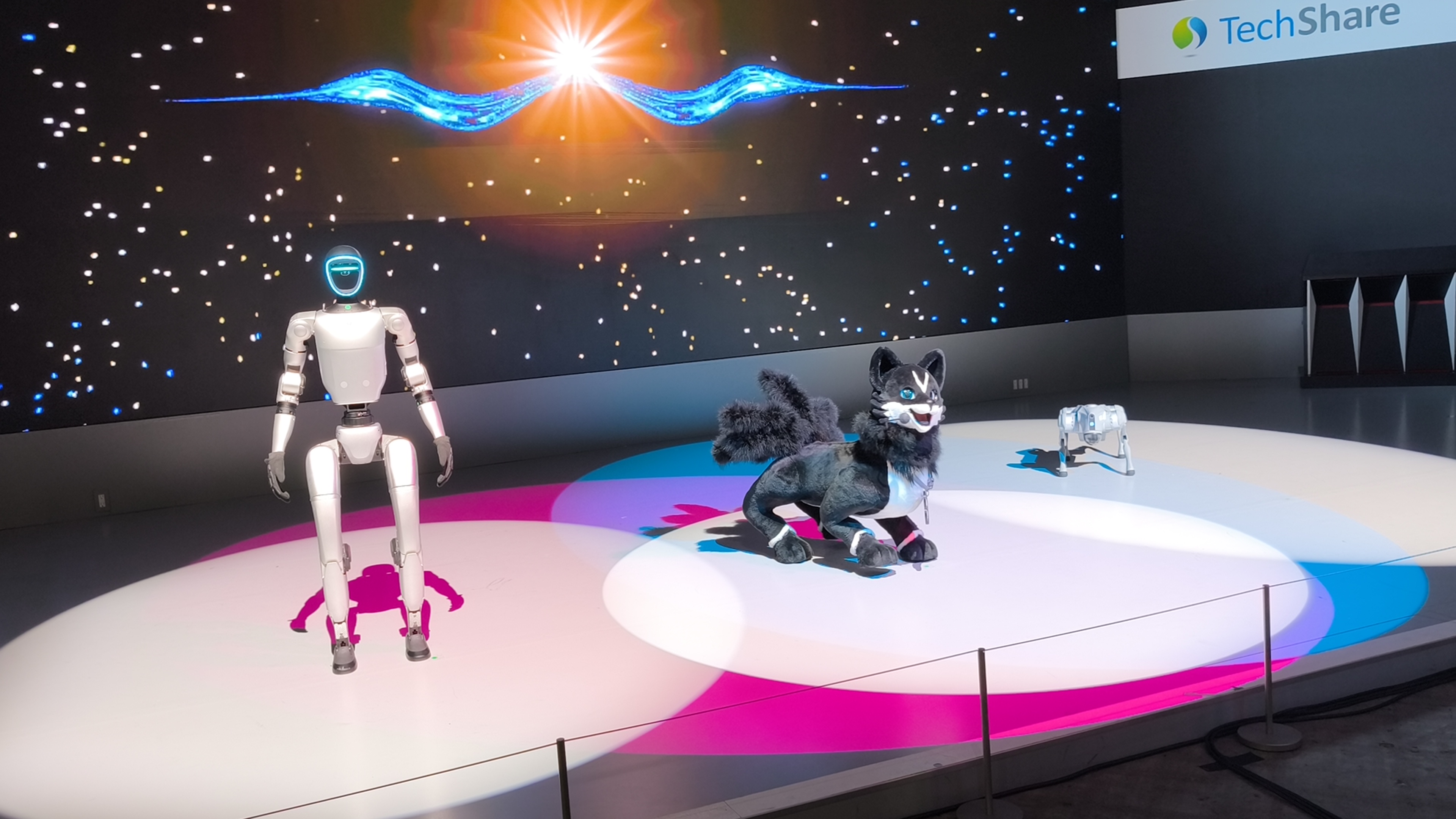
Classover has launched an embodied AI robotics education platform that uses Unitree humanoid and robotic dog systems as classroom hardware for K-12 learning.
Classover has launched an embodied AI robotics education platform that uses Unitree humanoid and robotic dog systems as classroom hardware for K-12 learning.
The May 11 announcement is not a new robot launch. It is a vertical deployment story: Classover is packaging advanced robotics hardware, intelligent software workflows and its own proprietary curriculum into live instructional environments where students can interact with, program and operate robots.
That distinction matters for robotics buyers. Schools usually do not buy robots the way research labs or factories do. They need curriculum, teacher workflows, safety boundaries, classroom management, age-appropriate programming paths, maintenance support and measurable learning outcomes. The robot is only useful if it arrives as part of an educational system that teachers can actually run.
Classover says its current framework includes introduction to AI and robotics, humanoid robot interaction and motion control, robotic dog navigation and sensing, Python and Scratch programming, AI agents, perception, automation, real-time control and project-based classroom experiences. The company also says it has developed education-focused classroom applications and student-facing modules around the robotics platforms.
The hardware signal is Unitree. RoboHub already tracks Unitree G1 as a low-cost humanoid platform and Unitree Go2 as a popular quadruped robot. Those machines are often discussed as developer or demo hardware, but education may become one of the more realistic near-term markets: visible movement, approachable programming exercises and enough physical presence to make AI feel less abstract.
For schools, the procurement question is not whether a humanoid can perform a flashy move. It is whether the platform can survive repeated classroom use, lock down unsafe functions, work across different student skill levels, provide lesson plans, protect student data, and make setup simple enough for non-roboticists.
For robotics vendors, Classover is another sign that embodied AI is becoming a curriculum category. The same forces that pushed coding, STEM kits and AI literacy into schools are now moving toward physical AI: sensors, mobility, motion control, perception, agents and human-robot interaction.
The caveat is that education buyers should ask for evidence beyond launch language. Useful diligence includes pilot results, teacher training requirements, age ranges, insurance and safety rules, privacy policies, hardware replacement timelines, remote support, what works offline, and whether schools are buying robots outright or subscribing to a managed program.
RoboHub's read is that Classover is worth watching less as a hardware manufacturer and more as an integrator of embodied AI into learning. If the model works, the education market could become a meaningful demand channel for robots that are too expensive or too early for homes, but practical enough for supervised classrooms.
Need this kind of robot for your operation?
Send us the use case. We return a vendor-neutral shortlist, indicative pricing, and warm vendor contacts within 48 hours.