Figure AI's warehouse robot passes 81 hours and 101,391 packages in reported Helix-02 run
Figure AI has turned an eight-hour warehouse demo into a multi-day endurance signal: Seoul Economic Daily reports that a humanoid named Jim processed 101,391 packages over 81 hours in a livestreamed H
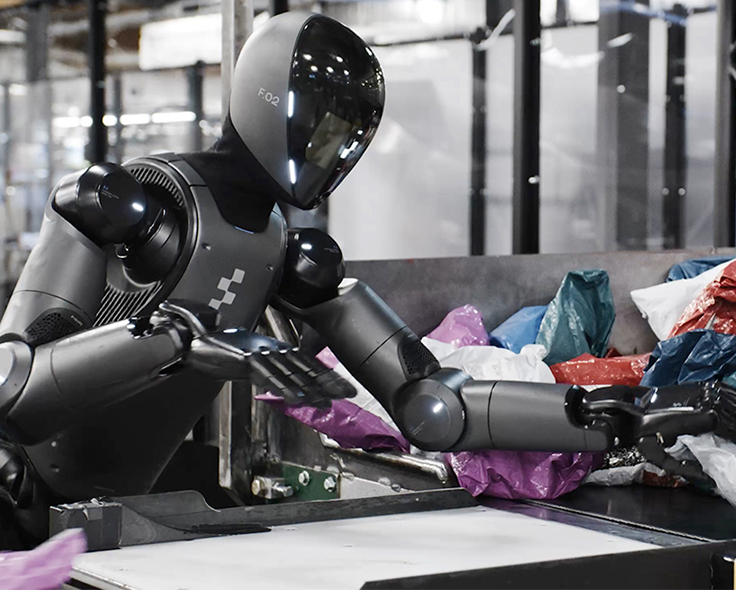
Figure AI has turned an eight-hour warehouse demo into a multi-day endurance signal: Seoul Economic Daily reports that a humanoid named Jim processed 101,391 packages over 81 hours in a livestreamed Helix-02 run.
The important distinction: Figure has official material showing Helix applied to logistics package manipulation, but the 81-hour and 101,391-package count comes from media coverage of the livestream. RoboHub has not independently verified the live counter from a permanent Figure page, so buyers should treat the number as a reported milestone, not a third-party audited benchmark.
Even with that caveat, the test matters because it moves humanoid robotics from short demo clips toward uptime, repeatability and exception handling. Sorting packages is not glamorous, but it is exactly the kind of repetitive, high-volume work where warehouses already spend money on automation.
Figure's own Helix logistics write-up frames the task as package manipulation and triaging: detect moving parcels, grasp varied boxes or soft mailers, reorient labels for scanning and recover when the flow is imperfect. The company says Helix improvements for this use case include richer stereo vision, multi-scale visual features, learned cross-robot calibration and an inference-time speed mode for faster manipulation.
The reported livestream pushes a different question: can the system keep doing the same useful work for days, not minutes? According to the report, Jim was operating without human teleoperation, using Helix-02 to recognize boxes, orient labels and sort parcels at roughly three to four seconds per item. The broadcast reportedly continued after the original eight-hour plan because the robot kept running.
That is why logistics teams will watch this more closely than a home-tidying demo. A warehouse does not need a humanoid to look human; it needs a machine that can be inserted into human-designed work cells, handle weird parcels, survive long shifts and justify its cost against conveyors, fixed scanners, AMRs and human labor.
There are still hard buyer questions. Was the work cell simplified for the stream? How often did humans reset the surrounding process? What happens with damaged labels, crushed boxes, liquid spills, mixed SKUs or blocked conveyors? Can the robot sustain the same uptime across a fleet, in a real customer warehouse, with service-level guarantees?
The commercial takeaway is not that every sorting line suddenly needs a humanoid. It is that Figure is trying to prove the reliability layer: onboard autonomy, manipulation speed, visual label handling and long-duration operation. If those metrics keep improving, Helix-powered Figure robots become relevant not only for factory tasks like BMW-style manufacturing pilots, but also for logistics buyers comparing humanoids against more traditional automation.
For RoboHub buyers, Figure 02 remains the listed commercial reference point, while Figure 03 and Helix-02 represent the newer autonomy stack showing up in 2026 demos. Any serious procurement conversation should ask for current model availability, pilot geography, supported payloads, uptime data, integration requirements and whether Figure will route warehouse inquiries directly or through selected partners.
Need this kind of robot for your operation?
Send us the use case. We return a vendor-neutral shortlist, indicative pricing, and warm vendor contacts within 48 hours.