Fincantieri and Generative Bionics make humanoid welders a shipyard test case
Fincantieri and Generative Bionics have turned humanoid robotics into a concrete shipyard validation program: a four-year industrial partnership to develop humanoid welding robots for naval manufactur
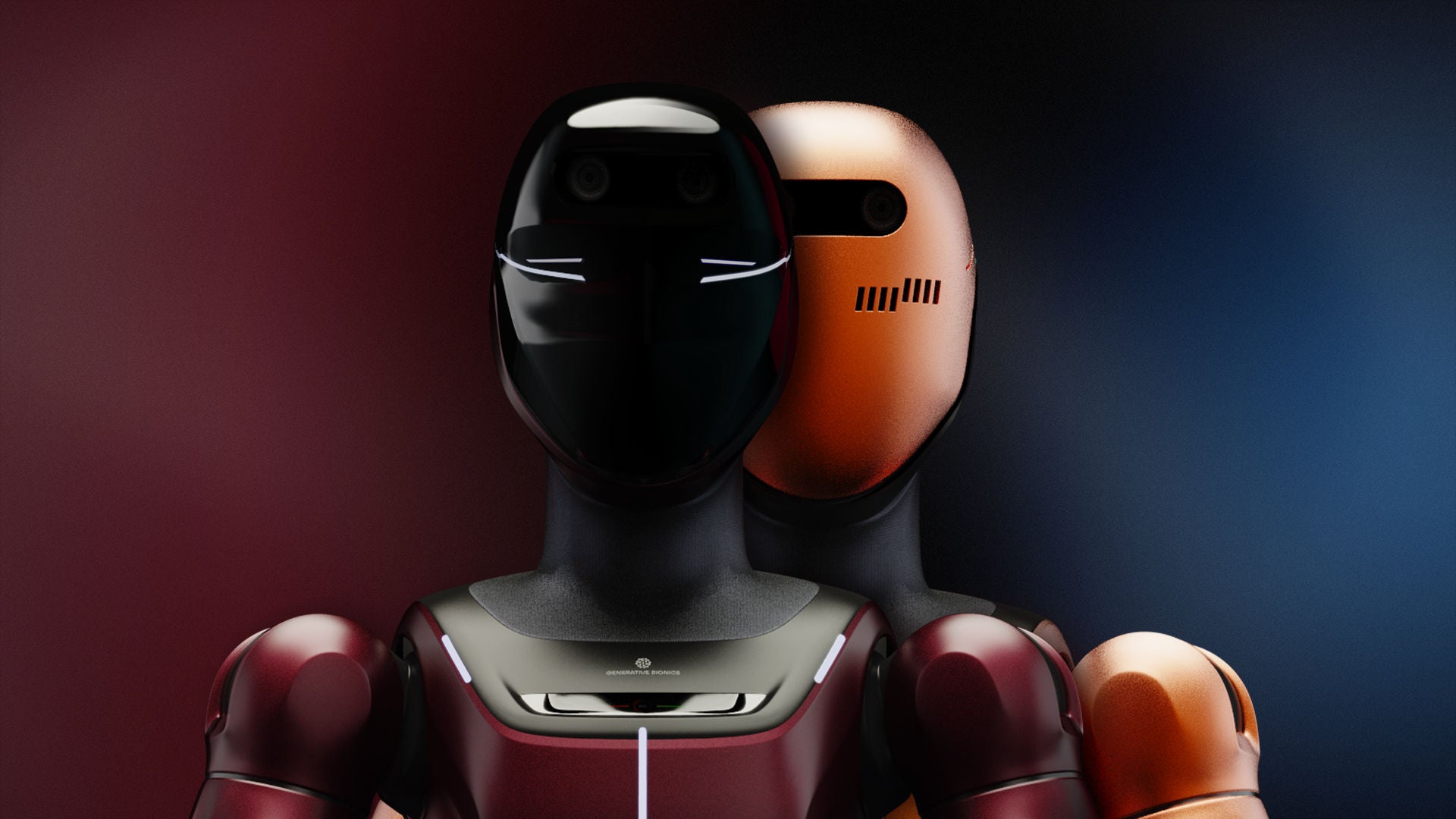
Fincantieri and Generative Bionics have turned humanoid robotics into a concrete shipyard validation program: a four-year industrial partnership to develop humanoid welding robots for naval manufacturing.
The February 11 announcement is older than today's news cycle, but it is strategically important because it moves humanoids into a specific industrial workflow. The goal is not a general-purpose robot demo. It is a humanoid platform designed to support welding activities in complex shipyard environments while operating alongside human workers.
Fincantieri says the system will combine artificial intelligence with advanced manipulation, perception and vision capabilities for monitoring welding seams, plus locomotion optimized for complex environments. The company also says the design will prioritize safety, collaboration with workers and regulatory compliance without limiting work areas.
The deployment plan is unusually concrete for humanoid robotics. The collaboration is expected to span four years. Initial on-site tests are scheduled by the end of 2026, with operational functionality targeted within the first two years, followed by refinement, expansion and industrial certification. Development and testing will take place at Fincantieri's Sestri Ponente shipyard, which will serve as the reference environment for validation.
For Generative Bionics, the project gives GENE.01 and its Physical AI roadmap a high-friction industrial proving ground. The company unveiled GENE.01 during AMD's CES 2026 opening keynote as its first humanoid concept, emphasizing full-body tactile skin, distributed touch and force sensing, and an AMD-supported compute stack for low-latency perception and interaction.
That matters because shipyards are exactly the kind of place where humanoid claims become hard to fake. The environment includes uneven surfaces, large metal structures, cables, tight spaces, changing work zones, safety procedures and skilled human teams. A robot that can only operate in clean lab demos will not survive that environment.
The buyer takeaway is that humanoid procurement is becoming more vertical. Instead of asking whether a humanoid can do everything, industrial buyers are asking whether one platform can handle a painful, high-value workflow with enough safety, repeatability and certification evidence to justify deployment. Welding in shipyards is a useful stress test for that approach.
RoboHub now lists Generative Bionics GENE.01 as an industrial humanoid platform, with the Fincantieri program as its clearest validation path. Buyers should still treat it as an early-stage platform, not an off-the-shelf welding robot. The right diligence questions are on-site test results, welding quality metrics, worker safety validation, uptime, torch/tool integration, maintenance model, certification plan and whether the same platform can transfer to other heavy-industry tasks.
The broader signal is that Europe is building its own humanoid robotics path around industrial sovereignty, advanced manufacturing and worker augmentation. Fincantieri does not need a household companion robot. It needs a machine that can help in shipyards without disrupting production. That is a much narrower bar, and also a much more commercially meaningful one.
Need this kind of robot for your operation?
Send us the use case. We return a vendor-neutral shortlist, indicative pricing, and warm vendor contacts within 48 hours.