Infineon and NVIDIA make humanoid safety a silicon-and-simulation problem
Infineon's expanded work with NVIDIA is not a robot launch, but it belongs on the humanoid robotics map because it targets a bottleneck every serious deployment will hit: safety, security and system a
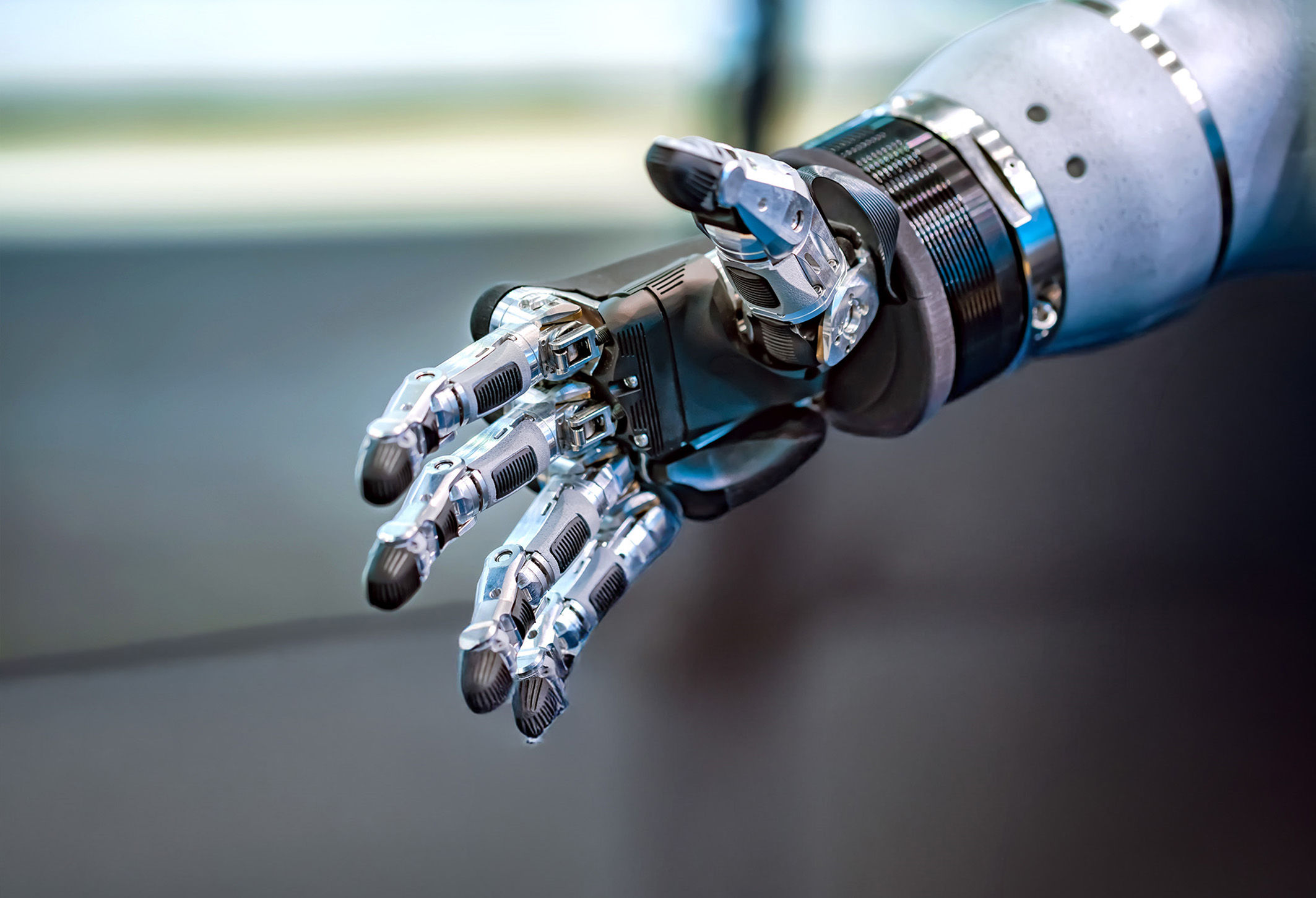
Infineon's expanded work with NVIDIA is not a robot launch, but it belongs on the humanoid robotics map because it targets a bottleneck every serious deployment will hit: safety, security and system architecture.
The March 16 announcement says Infineon is expanding its collaboration with NVIDIA to advance system architectures for Physical AI, with a focus on humanoid robots. The work combines Infineon's strengths in motor control, microcontrollers, power systems and security with NVIDIA's AI, robotics and simulation platforms.
For buyers, the core signal is that humanoid robots are becoming semiconductor systems as much as mechanical platforms. A useful robot needs joint control, sensing, power conversion, battery management, networking, memory, secure boot, identity, update handling and functional safety. Those parts decide whether a robot can be certified, serviced and trusted around people.
Infineon says it is working with NVIDIA to help robotics companies design, validate and deploy humanoids faster using digital twins. That matters because physical testing alone is too slow and too expensive for edge cases. Simulation can expose motion-control, safety and perception failures before machines are released into factories, hospitals, warehouses or public spaces.
The announcement also points to NVIDIA Jetson Thor, Isaac GR00T and the wider NVIDIA robotics stack as the compute and software side of the architecture. Infineon positions its own portfolio around the lower-level functions that must keep working when the AI model is uncertain: motor drives, microcontrollers, sensors, power, connectivity, memory and hardware security.
One useful number in Infineon's framing is semiconductor content. The company says a humanoid robot can represent around 500 U.S. dollars of semiconductor value, depending on design. That gives procurement teams a more grounded way to think about the market: not only robot ASP, but the electronics bill of materials behind reliable movement, sensing and safe operation.
The security angle is just as important. Humanoids will carry cameras, microphones, maps, fleet credentials and model updates. If they work in factories or homes, they become mobile endpoints with access to sensitive spaces. Hardware-based trust, secure communication, protected AI models and reliable update paths are not optional enterprise features; they are part of the safety case.
RoboHub treats this as enabling infrastructure. The visible race is between humanoid makers, but the deployment race also depends on suppliers that can make robots electrically safe, cyber-secure, certifiable and maintainable. Infineon and NVIDIA are trying to define that stack before humanoids scale from pilots into fleets.
Need this kind of robot for your operation?
Send us the use case. We return a vendor-neutral shortlist, indicative pricing, and warm vendor contacts within 48 hours.