JAL and GMO AIR make airport ground handling the next humanoid proving ground
Japan Airlines, JAL Ground Service and GMO AI & Robotics are starting a demonstration experiment for humanoid robots in airport ground handling, and the important part is the operating environment: th
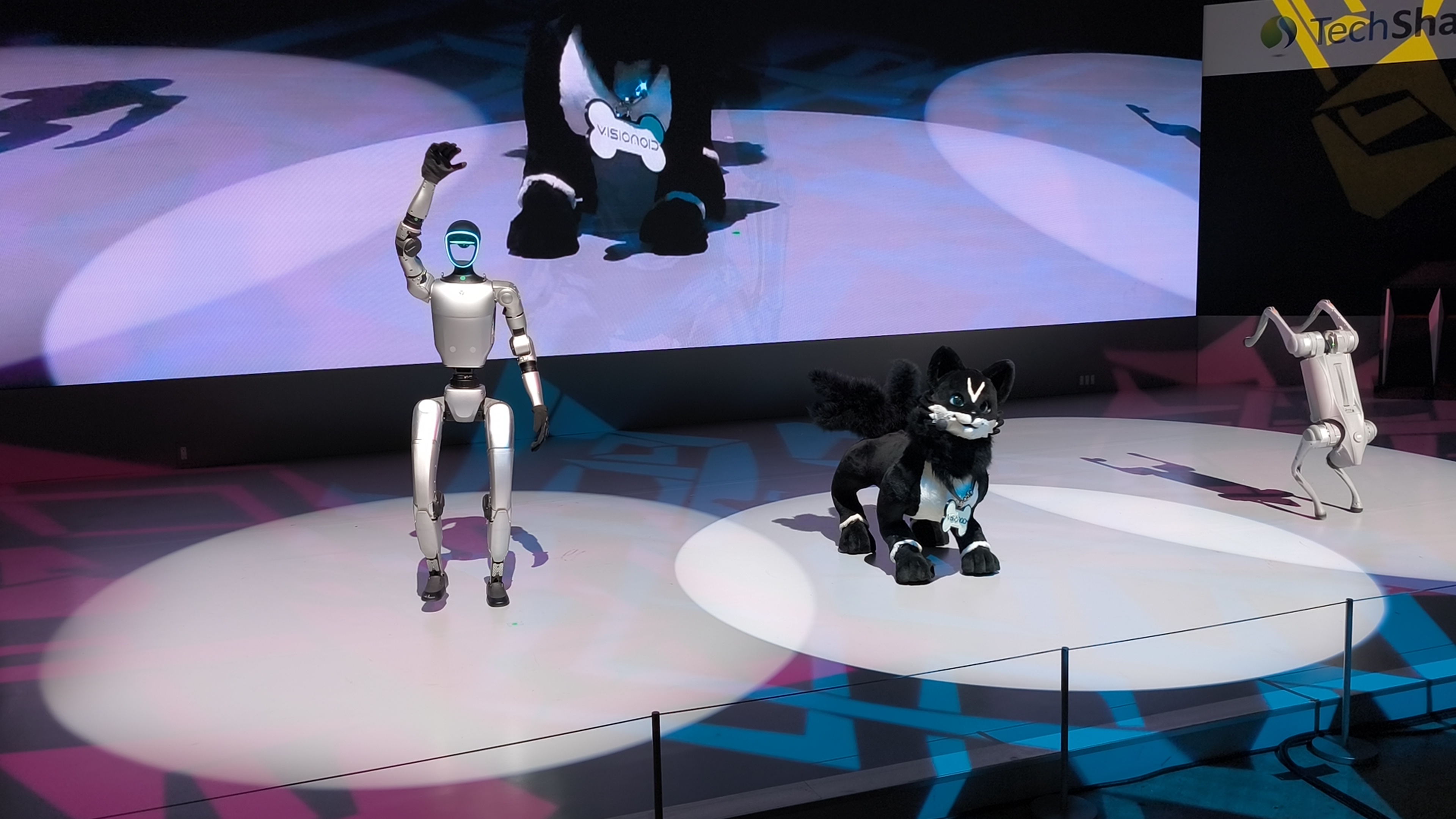
Japan Airlines, JAL Ground Service and GMO AI & Robotics are starting a demonstration experiment for humanoid robots in airport ground handling, and the important part is the operating environment: this is not a showroom task. It is work around aircraft, baggage, cargo and ground support equipment.
The joint release says the experiment begins in May 2026 and is planned through 2028 at Haneda Airport. The objective is labor saving and efficiency in ground handling operations through humanoid robot utilization, with scope covering loading and unloading of baggage and cargo, cabin cleaning and related airport-side work.
JAL Ground Service says ground handling still depends heavily on manual work. Staff operate different shapes of ground support equipment in limited spaces around aircraft, and conventional fixed automation or single-function robots are difficult to fit into that existing infrastructure. That is the core reason JAL and GMO AIR are testing humanoids: the human form may adapt to equipment, aisles, ramps and workflows designed around people.
The first phase is not full automation. According to the release, the companies will visualize and analyze airport operations, identify areas where humanoids can operate safely, and then run repeated verifications simulating actual airport environments. GMO AIR is responsible for providing humanoid robots and developing and optimizing motion programs tailored to airport operations. JGS contributes airport process knowledge, business requirements and safety compliance evaluation.
For buyers, the useful lens is not whether a humanoid can wave beside an airplane. The procurement questions are whether it can work safely near aircraft, handle irregular baggage, move around ground support equipment, survive weather and ramp conditions, recover from exceptions, and satisfy aviation safety standards without slowing the team down.
JAL also frames the trial as a labor-availability response. Japan's aviation sector is dealing with ground handling shortages while inbound travel demand keeps rising. If humanoids can reduce physical burden in baggage, cargo and cabin tasks, airports get a new automation path that does not require rebuilding every gate, belt, cart or aircraft interface.
Reports around the demonstration identify Chinese humanoid platforms including Unitree G1 and UBTECH Walker E, but the key confirmed JAL/GMO signal is broader: airport operations are becoming an early test bed for humanoid robots because the work is physical, repetitive, space-constrained and still shaped around human bodies.
RoboHub will track this as an airport-automation story. The deployment bar should be high: safety case, ramp certification, teleoperation policy, weather limits, task autonomy, battery swap, maintenance support and measurable productivity must matter more than the novelty of putting a humanoid near an aircraft.
Need this kind of robot for your operation?
Send us the use case. We return a vendor-neutral shortlist, indicative pricing, and warm vendor contacts within 48 hours.