SoftBank Robotics and Direct Supply show senior living wants outcomes, not robot demos
SoftBank Robotics America and Direct Supply have expanded their senior-living partnership, and the most important number is not a spec sheet. It is operating footprint: the companies say nearly 100 se
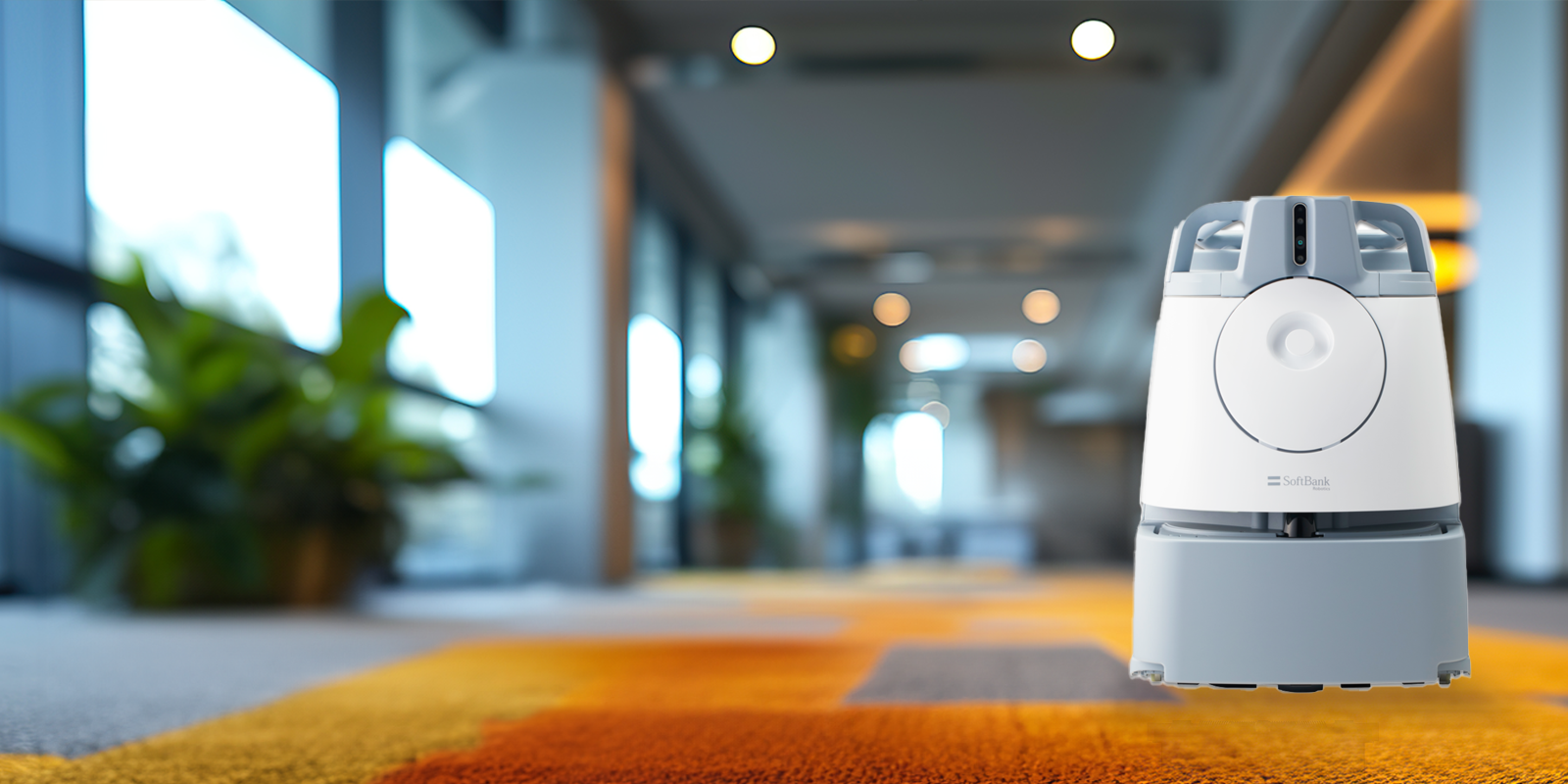
SoftBank Robotics America and Direct Supply have expanded their senior-living partnership, and the most important number is not a spec sheet. It is operating footprint: the companies say nearly 100 senior living communities are now using more than 100 autonomous floor care robots daily.
The May 13 announcement frames the program around “best run operations” rather than novelty. Direct Supply was named an official partner in March 2025, and the companies say the work has grown into a repeatable enterprise model for autonomous floor care in senior living communities.
That matters because senior living is one of the clearest near-term markets for service robotics. Facilities face labor pressure, rising variable costs, strict quality expectations and long corridors of repetitive cleaning work. A robot vacuum or scrubber is not glamorous compared with a humanoid, but it can free staff from routine floor care and redirect time toward resident-facing work.
SoftBank Robotics America describes its role as an integrator of Physical AI and emphasizes deployment, service and optimization programs. That is the buyer-relevant detail. Robots fail in the field when the purchase stops at hardware. Senior living operators need site setup, staff training, route tuning, maintenance, reporting and a clear plan for what happens when machines miss an area or go offline.
The partnership also points to a practical adoption model. Direct Supply already has relationships across senior living, while SoftBank Robotics brings autonomous cleaning programs and operational support. For portfolio operators, that combination can be more valuable than choosing a robot SKU in isolation.
A Sabra Health Care REIT case study is cited as an example of the program's logic: shift staff away from manual, labor-intensive floor care and toward higher-impact resident services. The exact ROI will vary by community layout, staffing model and cleaning standard, but the operating question is straightforward: can the robot produce consistent clean floors while reducing low-value manual work?
For RoboHub buyers, Whiz-style autonomous floor care should be evaluated differently from humanoids. The buying checklist is route coverage, uptime, consumables, docking, reporting, service response, staff acceptance, noise, safety around residents and integration into daily housekeeping schedules.
The larger signal is that service robotics is maturing fastest where the work is repetitive, measurable and already budgeted. Senior living operators do not need a moonshot demo. They need durable automation that improves quality of clean and gives staff more time for people.
Need this kind of robot for your operation?
Send us the use case. We return a vendor-neutral shortlist, indicative pricing, and warm vendor contacts within 48 hours.