SoftBank Robotics brings STEAMA and FLAMA cooking robots to U.S. restaurants
SoftBank Robotics is bringing two autonomous cooking robots, STEAMA and FLAMA, to the U.S. market, with the systems scheduled to appear at the National Restaurant Association Show 2026 in Chicago from
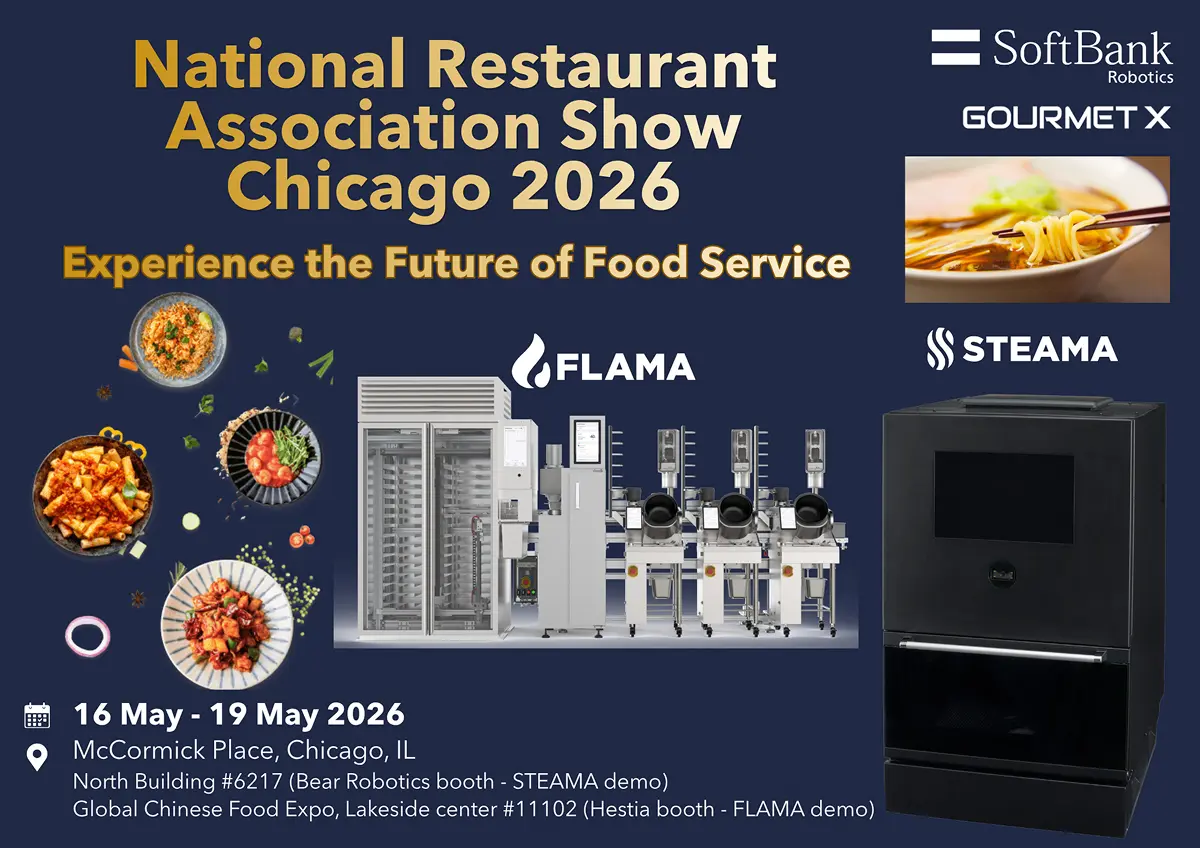
SoftBank Robotics is bringing two autonomous cooking robots, STEAMA and FLAMA, to the U.S. market, with the systems scheduled to appear at the National Restaurant Association Show 2026 in Chicago from May 16 to May 19.
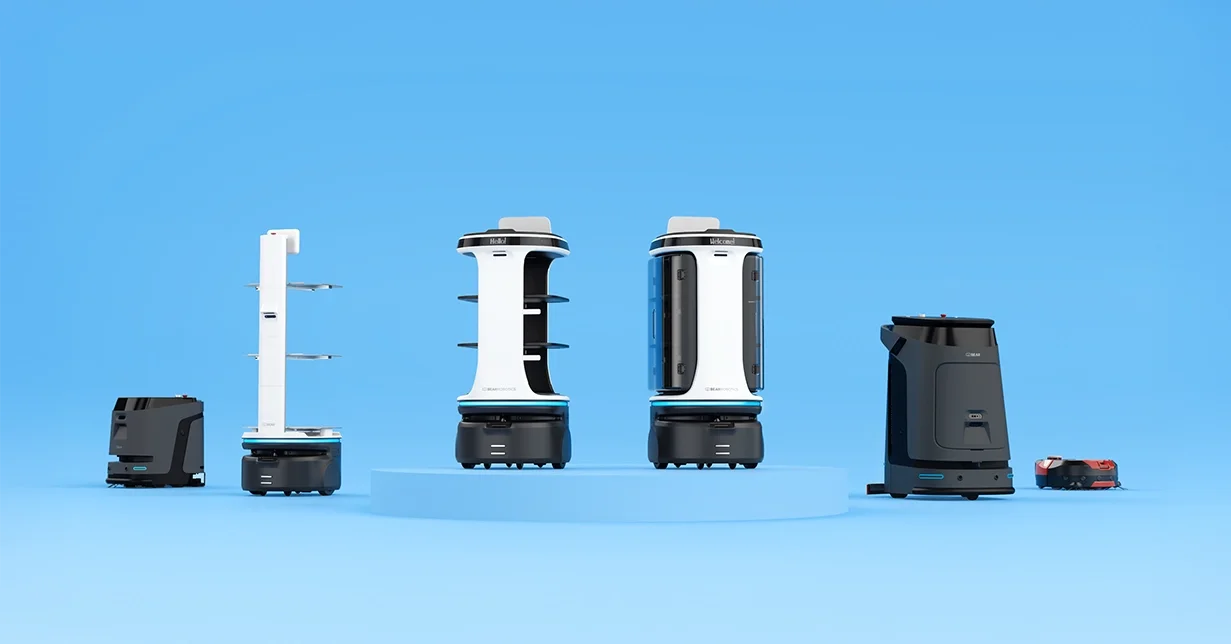
The timing matters because restaurant automation is moving from novelty demos into specific kitchen workflows. Food-running robots such as BellaBot, Servi, and Dinerbot handle front-of-house transport. STEAMA and FLAMA move closer to the back-of-house problem: preparing repeatable dishes with less dependency on scarce labor and highly variable manual execution.
STEAMA is a steam-based cooking robot designed for frozen noodle dishes. SoftBank Robotics says it uses high-pressure, high-temperature steam and can prepare a frozen noodle dish in about 90 seconds. That puts it in the lane of quick-service restaurants, cafeterias, convenience retail, stadium food operations, and other venues where speed, consistency, and limited kitchen footprint matter.
FLAMA is positioned as a flame-style cooking robot for more complete food-service automation. According to SoftBank Robotics, it can automate the process from adding ingredients and seasonings through stir-frying, mixing, thickening, plating, and post-cooking cleaning. The company has also described FLAMA as a system that can reproduce chef motion data, including pan angle and rotation speed, rather than only following a fixed heating cycle.
The business case is not that every restaurant suddenly needs a robot chef. It is narrower and more practical: high-volume operators need consistent output, less training overhead, better use of limited staff, and machines that can slot into constrained kitchens without rebuilding the whole restaurant.
That is why the National Restaurant Association Show is a useful stage for these systems. Buyers there are not only robotics enthusiasts. They are operators comparing labor-saving equipment, kitchen automation, cleaning robots, delivery robots, ordering systems, and franchise-standardization tools. If STEAMA or FLAMA can turn demo performance into reliable daily operation, SoftBank Robotics has a path into a category that already understands equipment ROI.
For RoboHub buyers, the key comparison is between three foodservice automation layers. Delivery robots move meals through dining rooms and hotels. Cooking robots standardize repetitive kitchen production. Full robotic kitchens try to automate the entire food workflow, but often demand heavier installation and process change.
STEAMA and FLAMA sit in the middle. They are not humanoid cooks and they are not simple countertop appliances. They are workflow robots aimed at repeatable commercial cooking tasks where consistency and throughput matter more than general-purpose dexterity.
The open questions are pricing, U.S. availability, service coverage, sanitation certification, menu flexibility, and how much operator training is required. Those details will decide whether the systems are practical for chains, campuses, senior-living kitchens, and food courts rather than only trade-show demos.
RoboHub will track STEAMA and FLAMA alongside Pudu, Bear Robotics, Keenon, Richtech, Miso Robotics, and other companies pushing restaurant robotics from delivery into preparation.
Sources checked by RoboHub include SoftBank Robotics' official May 1 announcement for the U.S. debut of STEAMA and FLAMA, SoftBank Robotics' Japanese FLAMA product coverage, and the National Restaurant Association Show 2026 timing listed in the official announcement.
Need this kind of robot for your operation?
Send us the use case. We return a vendor-neutral shortlist, indicative pricing, and warm vendor contacts within 48 hours.