1X Technologies NEOvsApptronik Apollo
Side-by-side comparison of 1X Technologies NEO and Apptronik Apollo: specs, price, use cases and SDKs.
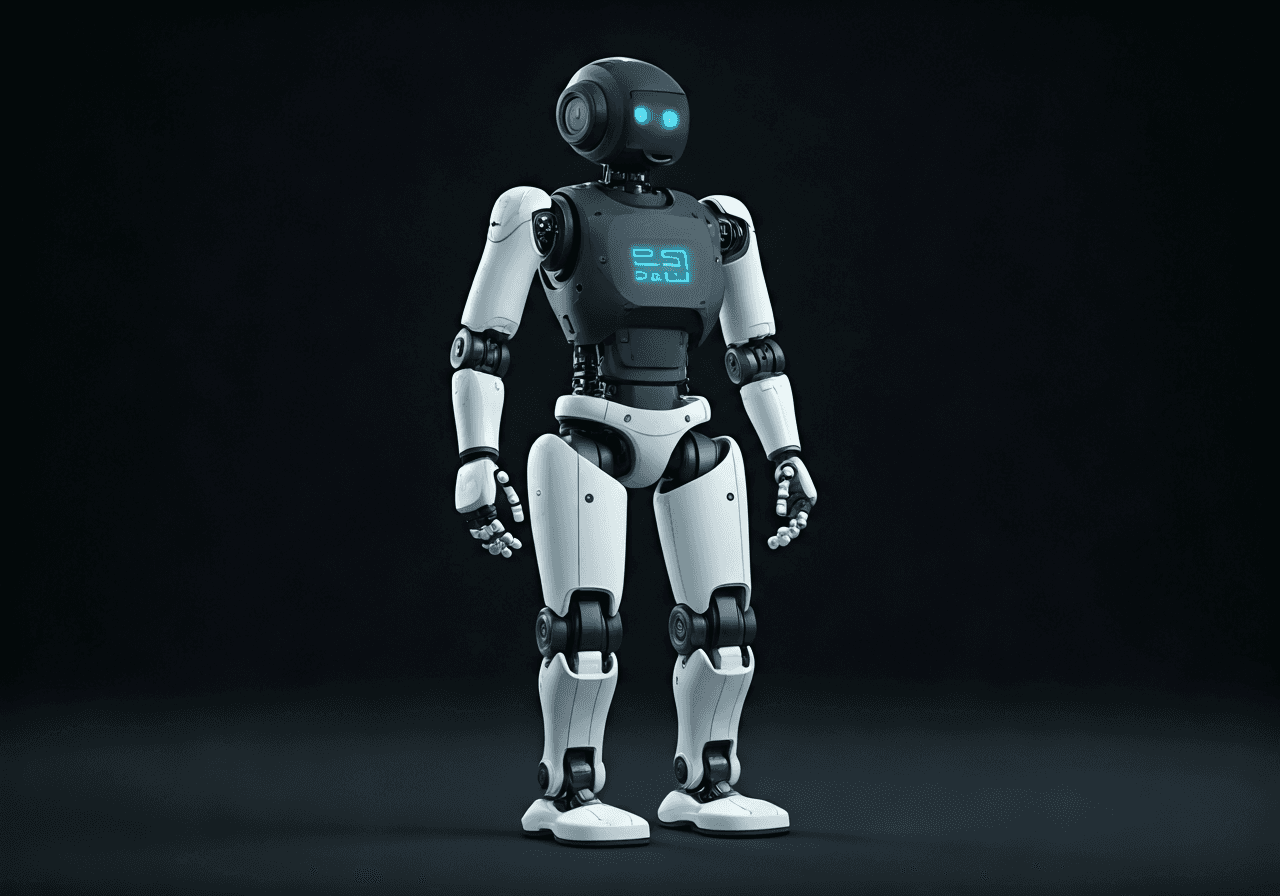
NEO
Soft-bodied home humanoid
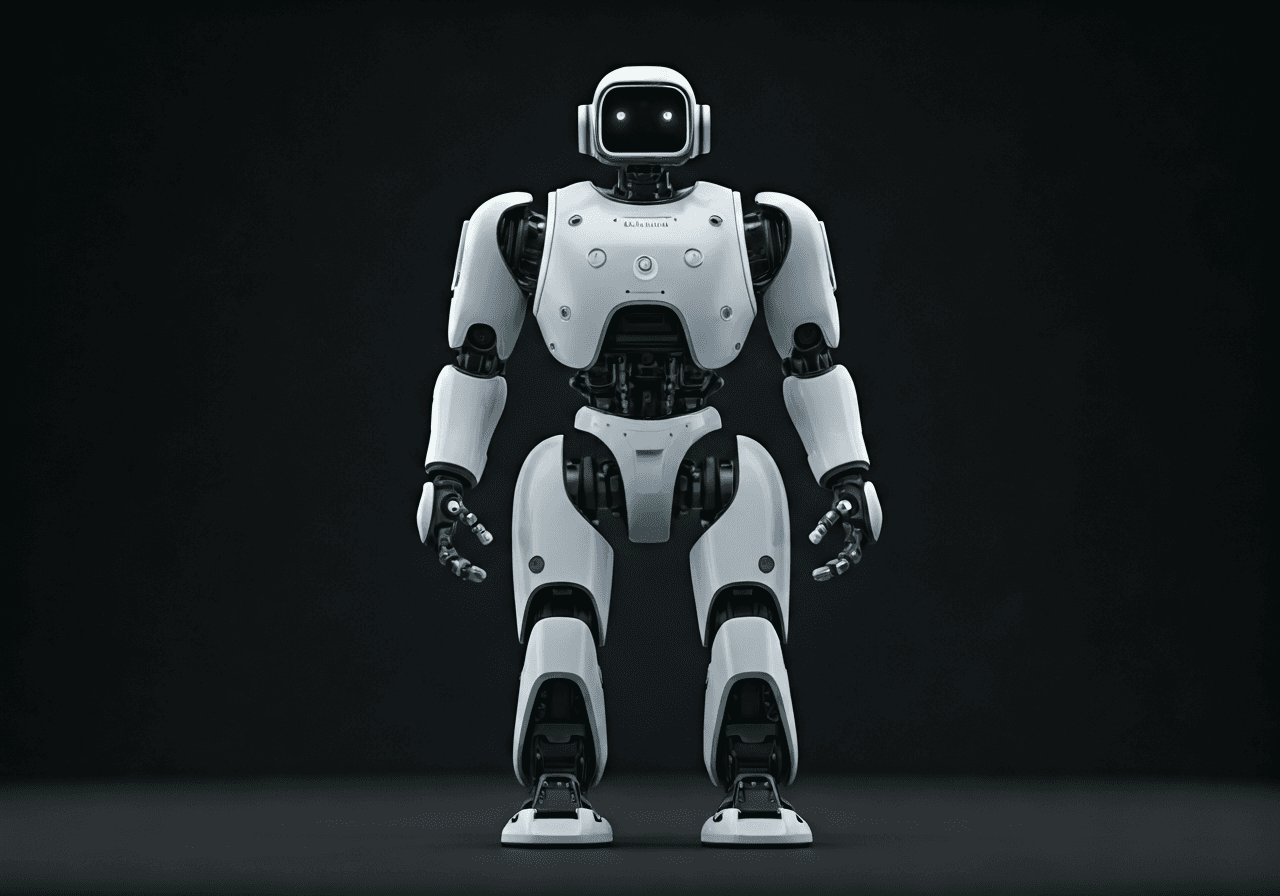
Apollo
General-purpose humanoid for logistics
Specifications
| Spec | NEO | Apollo |
|---|---|---|
| Price (USD) | $20,000 | $120,000 |
| Category | humanoid | humanoid |
| Payload | 20 kg | 25 kg |
| Runtime | 4 h | 4 h |
| Weight | 30 kg | 73 kg |
- Home assistance
- Elderly care
- Housework
- Logistics
- Manufacturing
- Warehousing
When to pick which
Choose the 1X Technologies NEO for residential care facilities, private home assistance, or pilot programs in elderly care where human-robot proximity is constant. At 30kg with a soft-bodied design, the NEO minimizes kinetic energy risks in populated living spaces, making it safer for domestic interaction than industrial alternatives. Its $20,000 price point allows for high-volume deployment across multi-unit housing projects where budget constraints are tight. Developers targeting the consumer market should prioritize this model for its Python SDK and lightweight frame, which is optimized for high-dexterity housework rather than heavy lifting.
Select the Apptronik Apollo for high-throughput logistics hubs, automotive manufacturing plants, or industrial warehousing operations. While the $120,000 price is significantly higher, the Apollo provides the structural rigidity and 25kg payload capacity necessary for moving heavy totes and palletizing goods in rugged environments. Its native ROS2 support is a critical feature for enterprise buyers needing to integrate the unit into existing industrial automation stacks and fleet management software. Choose this model for brownfield industrial deployments where the robot must perform repetitive, high-load tasks that exceed the physical durability of lightweight home-focused humanoids.
Ready to evaluate?
Request a vendor quote or compare more options.