AGIBOT Innovation (Shanghai) Technology Co., Ltd. AgiBot A2vsApptronik Apollo
Side-by-side comparison of AGIBOT Innovation (Shanghai) Technology Co., Ltd. AgiBot A2 and Apptronik Apollo: specs, price, use cases and SDKs.

AgiBot A2
A versatile humanoid robot for service, logistics, and light industrial automation.
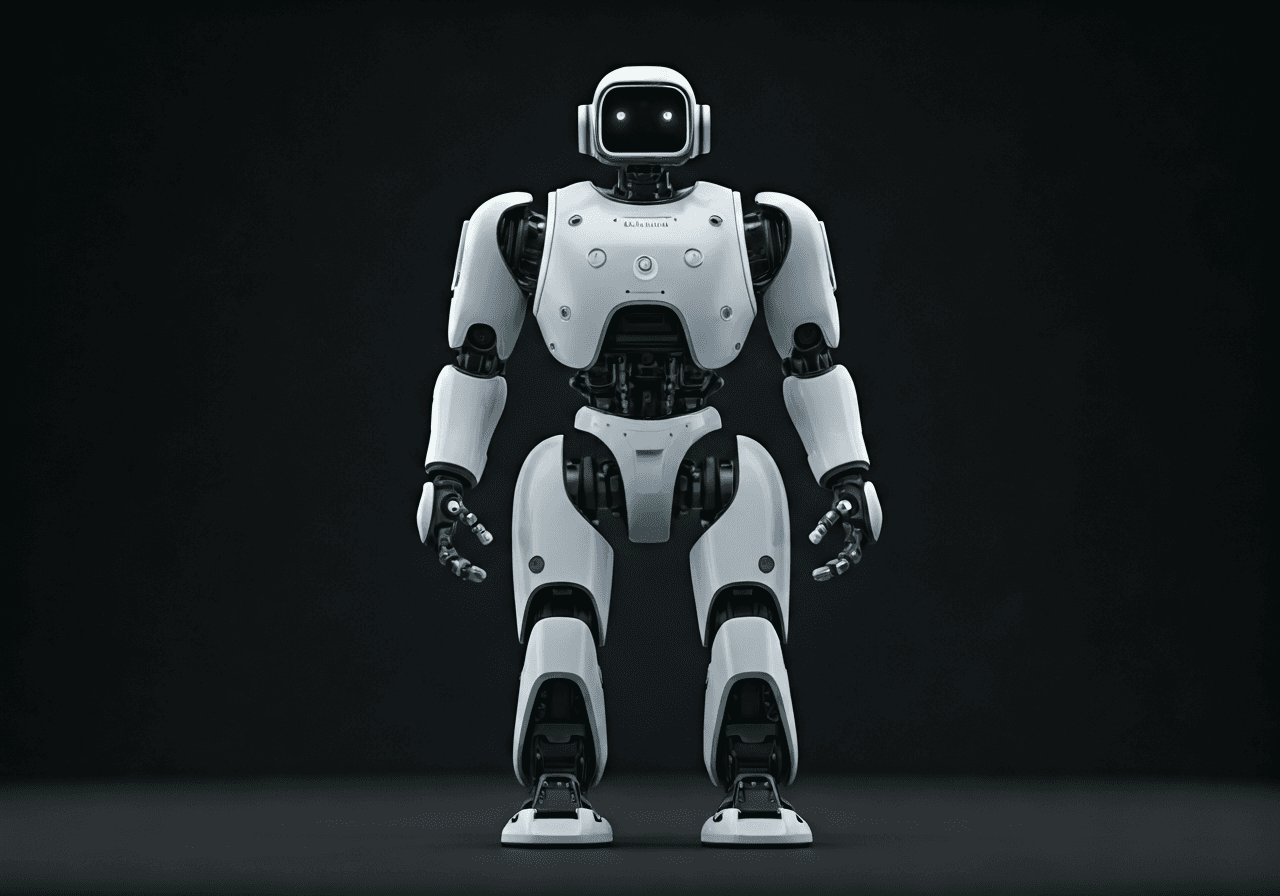
Apollo
General-purpose humanoid for logistics
Specifications
| Spec | AgiBot A2 | Apollo |
|---|---|---|
| Price (USD) | $100,000 | $120,000 |
| Category | humanoid | humanoid |
| Payload | 15 kg | 25 kg |
| Runtime | 2 h | 4 h |
| Speed | 1.2 m/s | — |
| Weight | 69 kg | 73 kg |
| Degrees of Freedom | 40 | — |
| Battery | 700 Wh | — |
- Customer service
- Reception
- Exhibition presentations
- Marketing
- Manufacturing assistance
- Logistics sorting
- Security patrols
- Data collection
- Research applications
- Autonomous manipulation and pick-and-place
- Industrial assembly and quality inspection
- Autonomous indoor navigation
- Material movement
- Workpiece loading
- Pallet transport
- Vibratory feeder loading
- Retail brand activation
- Research and education
- Entertainment and broadcast media
- Logistics
- Manufacturing
- Warehousing
When to pick which
Choose the AGIBOT Innovation (Shanghai) Technology Co., Ltd. AgiBot A2 for retail brand activations, hospitality reception, or academic research environments where high dexterity and software customization are essential. With 40 degrees of freedom and a specialized SDK suite including Genie Sim 3.0 and LinkCraft, this robot excels in complex manipulation and interactive tasks. At a $100,000 price point, it offers a $20,000 savings over the Apollo, making it the superior choice for budget-conscious deployments in light industrial assembly or service sectors where the 15kg payload capacity meets operational requirements.
Select the Apptronik Apollo for industrial warehousing and heavy-duty logistics operations that prioritize physical throughput and operational uptime. Its 25kg payload capacity is significantly higher than the AgiBot A2, enabling the handling of heavier containers and materials common in manufacturing environments. The 4-hour runtime is a decisive factor for facility managers seeking to minimize charging interruptions during long shifts. Additionally, the native ROS2 support ensures seamless integration for engineering teams already utilizing industry-standard middleware for fleet management, making it the more robust choice for large-scale brownfield automation projects.
Ready to evaluate?
Request a vendor quote or compare more options.