Apptronik ApollovsSanctuary AI Phoenix Gen 7
Side-by-side comparison of Apptronik Apollo and Sanctuary AI Phoenix Gen 7: specs, price, use cases and SDKs.
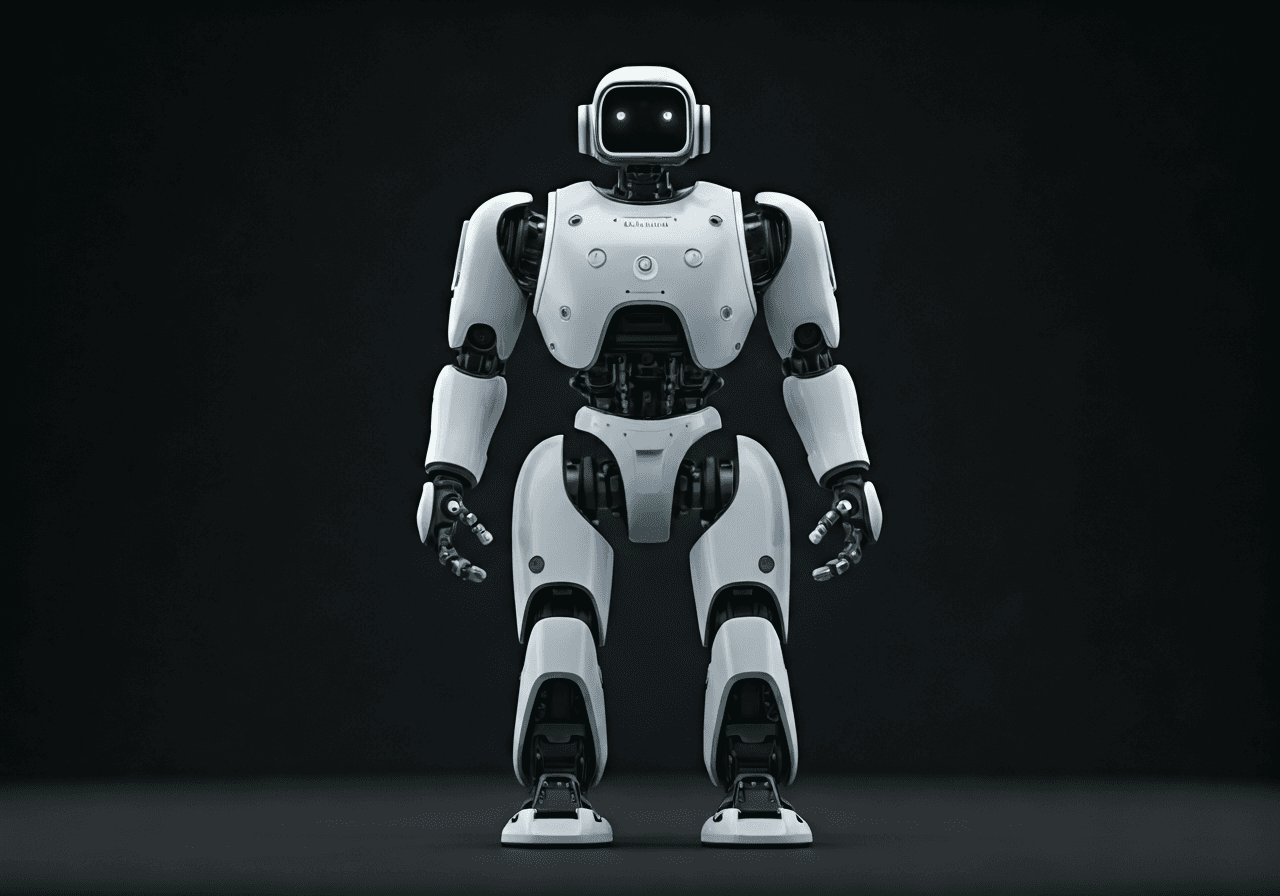
Apollo
General-purpose humanoid for logistics
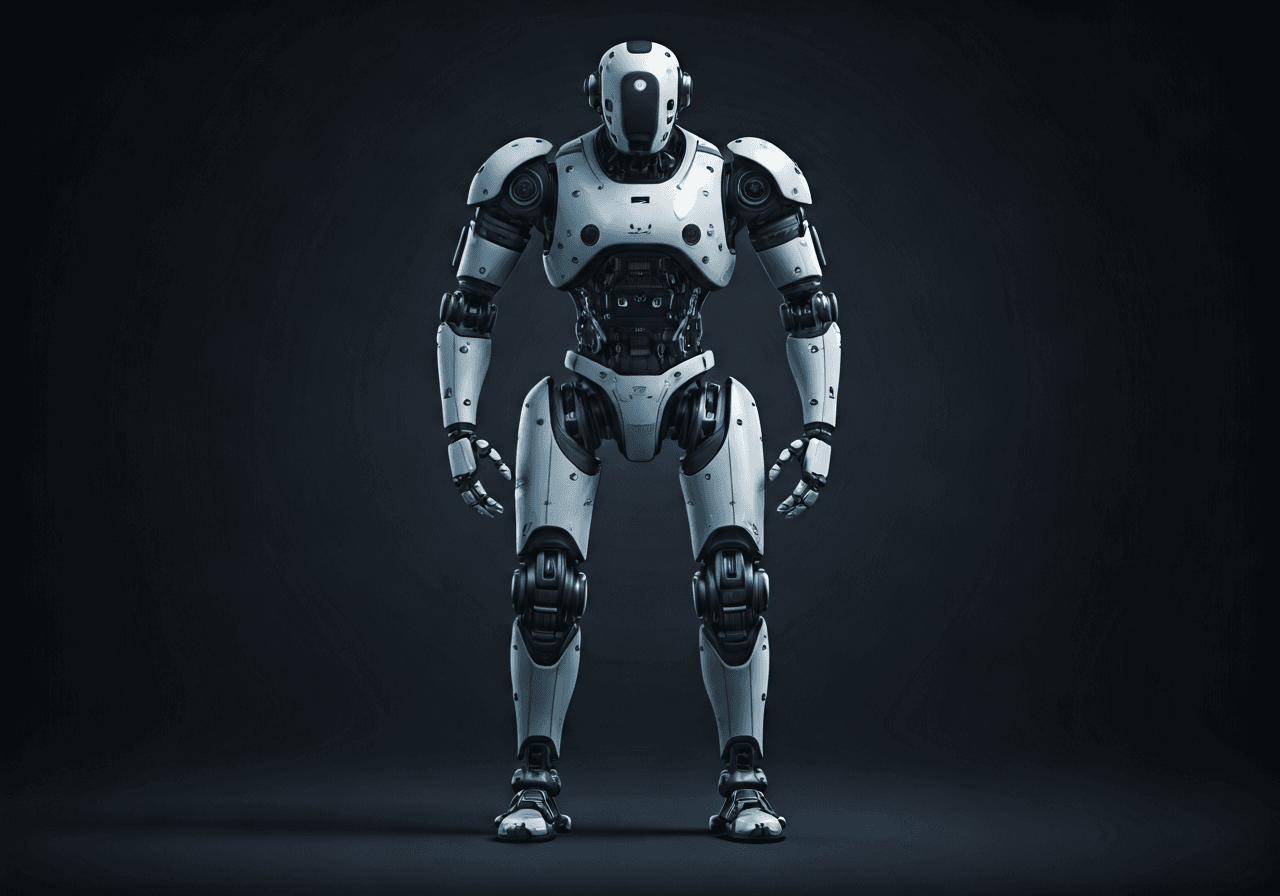
Phoenix Gen 7
Cognitive humanoid with Carbon AI
Specifications
| Spec | Apollo | Phoenix Gen 7 |
|---|---|---|
| Price (USD) | $120,000 | $250,000 |
| Category | humanoid | humanoid |
| Payload | 25 kg | 25 kg |
| Runtime | 4 h | 6 h |
| Weight | 73 kg | 70 kg |
| Degrees of Freedom | — | 40 |
- Manufacturing
- Logistics
- Warehousing
- Retail stocking
- Labor automation
When to pick which
Select the Apptronik Apollo for large-scale logistics and warehouse deployments where cost-efficiency and standard software integration are primary constraints. At $120,000, Apollo is significantly more accessible for fleet scaling than the Phoenix. Its support for ROS2 allows engineering teams to leverage existing open-source libraries to automate 25kg payload transport tasks. Choose this model if your facility requires a rugged, general-purpose humanoid for repetitive material handling and you need to minimize the initial capital expenditure while maintaining a high payload-to-weight ratio for standard industrial workflows.
Choose the Sanctuary AI Phoenix Gen 7 for complex retail stocking or intricate manufacturing tasks that demand high dexterity and cognitive adaptability. With 40 degrees of freedom, the Phoenix excels in environments requiring fine motor skills that simpler humanoids cannot replicate. The 6-hour runtime provides a 50% increase in operational endurance over the Apollo, making it better suited for continuous multi-shift labor automation. Opt for this unit if your deployment involves non-linear tasks requiring the Carbon AI's cognitive capabilities, justifying the $250,000 investment through superior task versatility and reduced charging downtime.
Ready to evaluate?
Request a vendor quote or compare more options.