Digital Dream Labs Digital Dream Labs Vector 2.0vsVARRAM SYSTEM Co., Ltd. Appbot Riley
Side-by-side comparison of Digital Dream Labs Digital Dream Labs Vector 2.0 and VARRAM SYSTEM Co., Ltd. Appbot Riley: specs, price, use cases and SDKs.

Digital Dream Labs Vector 2.0
An autonomous AI robot companion that brings joy and assists in your smart home.
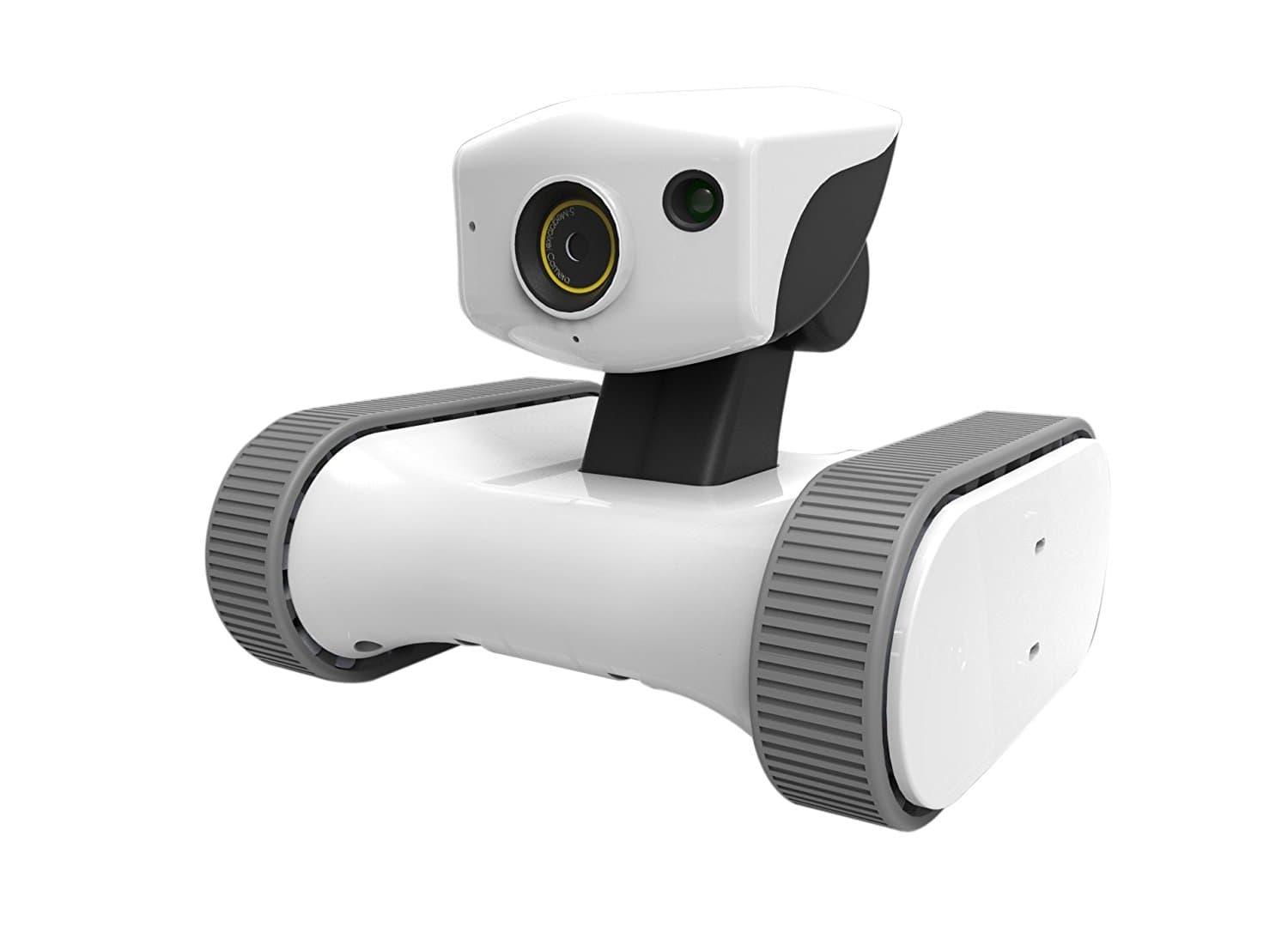
Appbot Riley
A mobile robot for home security and monitoring with live HD video and audio.
Specifications
| Spec | Digital Dream Labs Vector 2.0 | Appbot Riley |
|---|---|---|
| Price (USD) | $179 | $199 |
| Category | home | home |
| Payload | null kg | null kg |
| Runtime | 2 h | null h |
| Speed | null m/s | null m/s |
| Weight | 0.185 kg | 0.3 kg |
| Degrees of Freedom | null | 2 |
| Battery | Lithium-ion, 1200mAh (replaceable) | 2600 mAh Li-ion |
- Smart home assistant
- AI companion pet
- Voice control hub
- Home entertainment
- Educational robotics
- Set timers
- Take photos
- Home security
- Remote home monitoring
- Pet monitoring
- Two-way communication
When to pick which
Choose the Digital Dream Labs Digital Dream Labs Vector 2.0 for educational environments or smart home labs where software extensibility is the primary requirement. With comprehensive support for Python, C#, and Go SDKs, alongside the Open Source Kit for Robotics (OSKR), it serves as a superior development platform for students and hobbyists. Its autonomous AI allows it to function as a hands-free voice control hub for tasks like managing smart devices or setting timers. At a lightweight 0.185kg with a replaceable battery, it is optimized for desktop interaction and custom AI scripting rather than remote surveillance.
Opt for the VARRAM SYSTEM Co., Ltd. Appbot Riley for residential security and remote property monitoring tasks. Its 2600 mAh Li-ion battery offers significantly higher capacity than its competitor, which is essential for powering live HD video streaming and mobile patrolling. The integrated two-way communication and 2 degrees of freedom make it a specialized tool for pet owners or facility managers who need to interact with a space remotely. While it lacks programmable SDKs, its hardware is better suited for users requiring a mobile sentry that provides real-time visual feedback and security alerts.
Ready to evaluate?
Request a vendor quote or compare more options.