Roomba pioneer Colin Angle reveals Familiar Machines & Magic, a consumer physical AI robot
Colin Angle, the cofounder and former CEO of iRobot, has brought Familiar Machines & Magic out of stealth with a consumer physical AI platform built around emotionally intelligent home robots called F
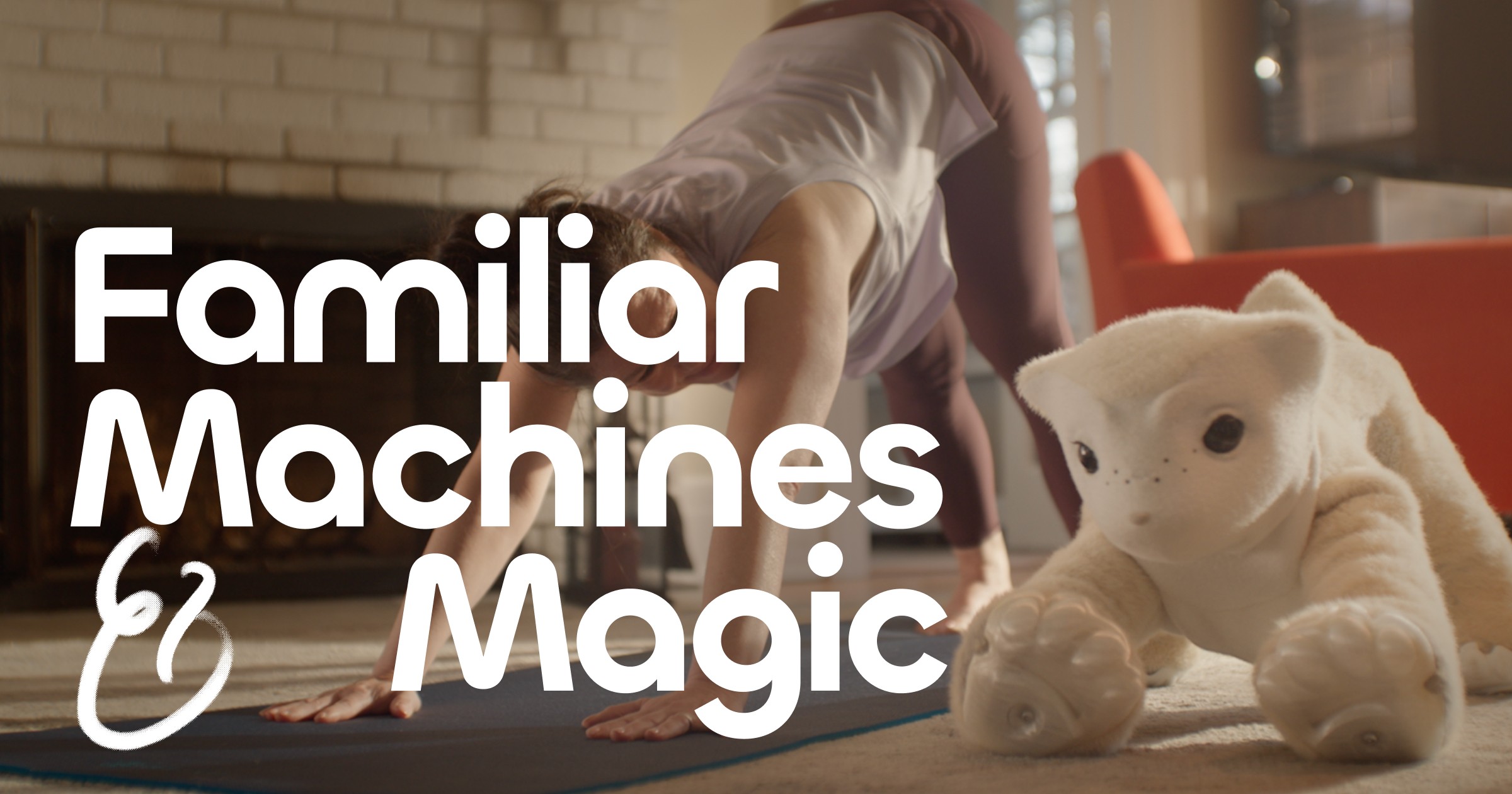
Colin Angle, the cofounder and former CEO of iRobot, has brought Familiar Machines & Magic out of stealth with a consumer physical AI platform built around emotionally intelligent home robots called Familiars.
The announcement matters because Angle is one of the few robotics founders with real consumer scale behind him. The iRobot team helped ship tens of millions of robots into homes, and FM&M is positioning its next product around interaction, memory, routines and physical presence rather than floor cleaning or industrial labor.
The first Familiar is described as a quadruped designed for human-robot interaction. It has 23 degrees of freedom, a custom touch-sensitive coat, vision, microphones and audio hardware. FM&M says the robot is meant to express attention and intent through whole-body movement, not through a screen-first interface.
This is a different branch of the robotics race. Humanoid companies are chasing labor, manipulation and factory deployment. Familiar Machines is betting that consumer physical AI needs trust, emotional context, privacy and repeated everyday interaction. The company says its architecture emphasizes on-device and edge AI to reduce latency and limit cloud dependence.
There is no commercial launch date yet, and the reveal should be treated as a platform announcement rather than a buy-now product. But the direction is important for RoboHub readers: consumer robotics may not return through a humanoid doing chores first. It may return through smaller embodied AI systems that people actually want to keep around.
RoboHub takeaway: Familiars are worth tracking because they attack the hardest consumer robotics problem after navigation: sustained daily value. A robot that can read routines, respond socially and protect household data has a different path to adoption than a task robot that only works when the task is perfectly defined.
Need this kind of robot for your operation?
Send us the use case. We return a vendor-neutral shortlist, indicative pricing, and warm vendor contacts.
Design a custom robot in Builder
Turn robotics concepts into actionable hardware builds with complete parts lists, compute specs, and wiring guidance.
Compare commercial robots
Evaluate specifications, pricing, payload, and autonomy across 100+ commercial robotics platforms.