1X Technologies NEOvsApptronik Apollo
Side-by-side comparison of 1X Technologies NEO and Apptronik Apollo: specs, price, use cases and SDKs.
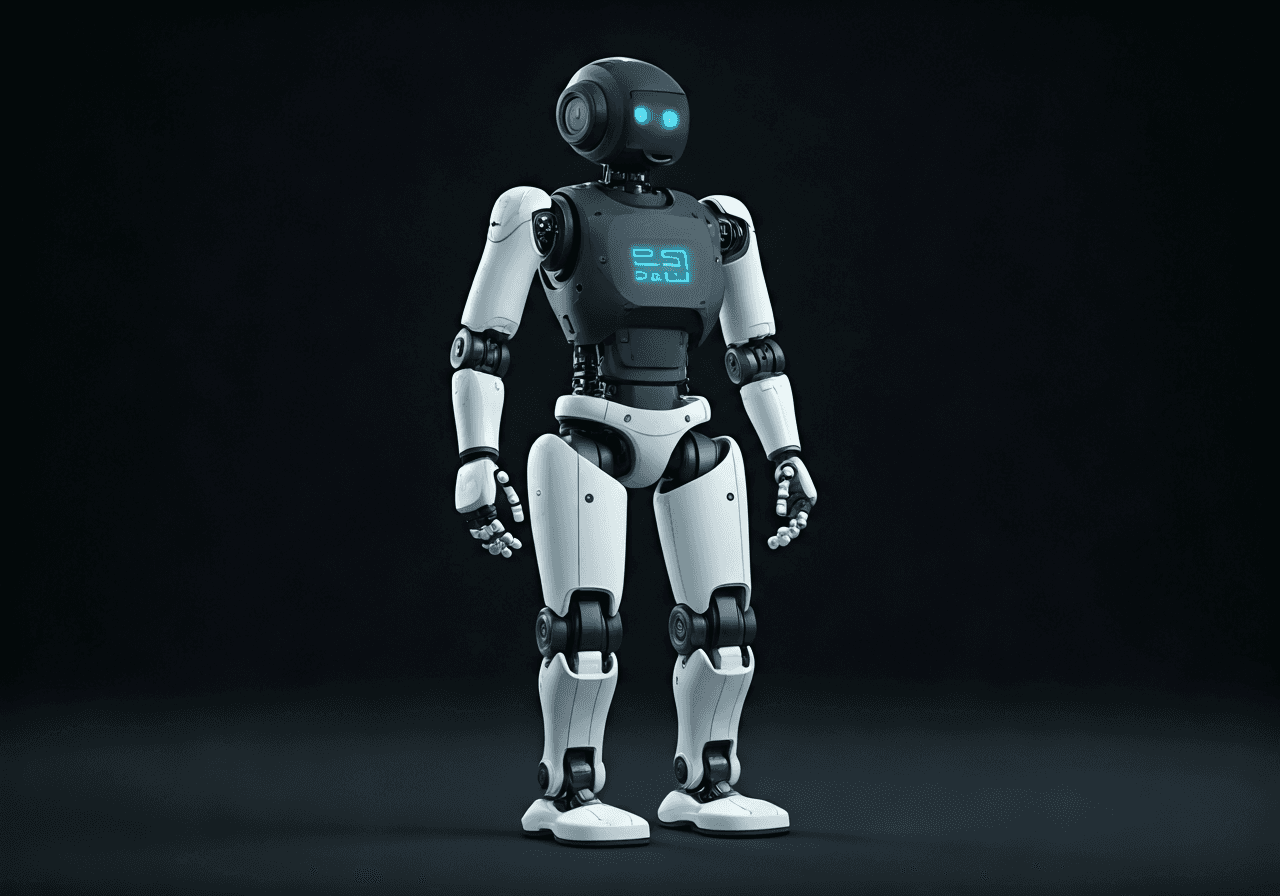
NEO
Soft-bodied home humanoid
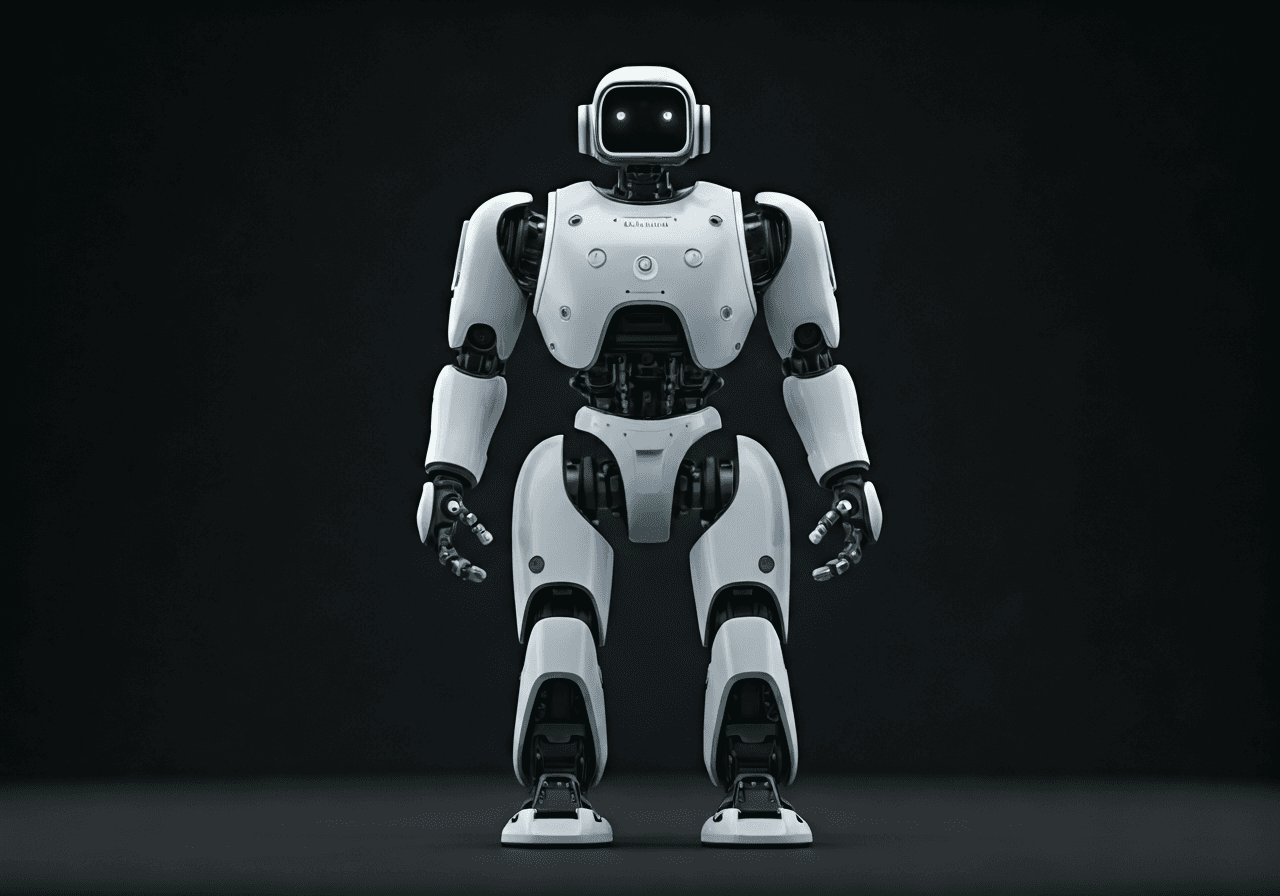
Apollo
General-purpose humanoid for logistics
Specifications
| Spec | NEO | Apollo |
|---|---|---|
| Price (USD) | $20,000 | $120,000 |
| Category | humanoid | humanoid |
| Payload | 20 kg | 25 kg |
| Runtime | 4 h | 4 h |
| Weight | 30 kg | 73 kg |
- Home assistance
- Elderly care
- Housework
- Logistics
- Manufacturing
- Warehousing
When to pick which
Opt for the 1X Technologies NEO when deploying in residential settings or elderly care facilities where human-safe interaction is paramount. At just 30kg with a soft-bodied design, NEO minimizes injury risks in tight domestic spaces compared to heavier industrial models. Its $20,000 price point makes it viable for large-scale pilot programs in home assistance where a $120,000 unit is cost-prohibitive. Developers focused on consumer-facing Python applications will find its lightweight frame ideal for tasks like light housework or meal delivery, leveraging a high 20kg payload-to-weight ratio for efficient domestic mobility.
Select the Apptronik Apollo for industrial logistics, manufacturing, or high-throughput warehousing environments. While significantly more expensive at $120,000, its 73kg build provides the structural stability required for heavy-duty tasks like palletizing or moving 25kg payloads in a factory setting. Apollo is the superior choice for enterprises requiring ROS2 compatibility to integrate with existing fleet management systems. In large-scale supply chain operations where durability and standardized industrial software stacks are non-negotiable, Apollo’s robust design justifies the investment over lighter, consumer-grade alternatives that lack the ruggedness for 24/7 warehouse floor operations.
Ready to evaluate?
Request a vendor quote or compare more options.