1X Technologies NEOvsUnitree Robotics H1
Side-by-side comparison of 1X Technologies NEO and Unitree Robotics H1: specs, price, use cases and SDKs.
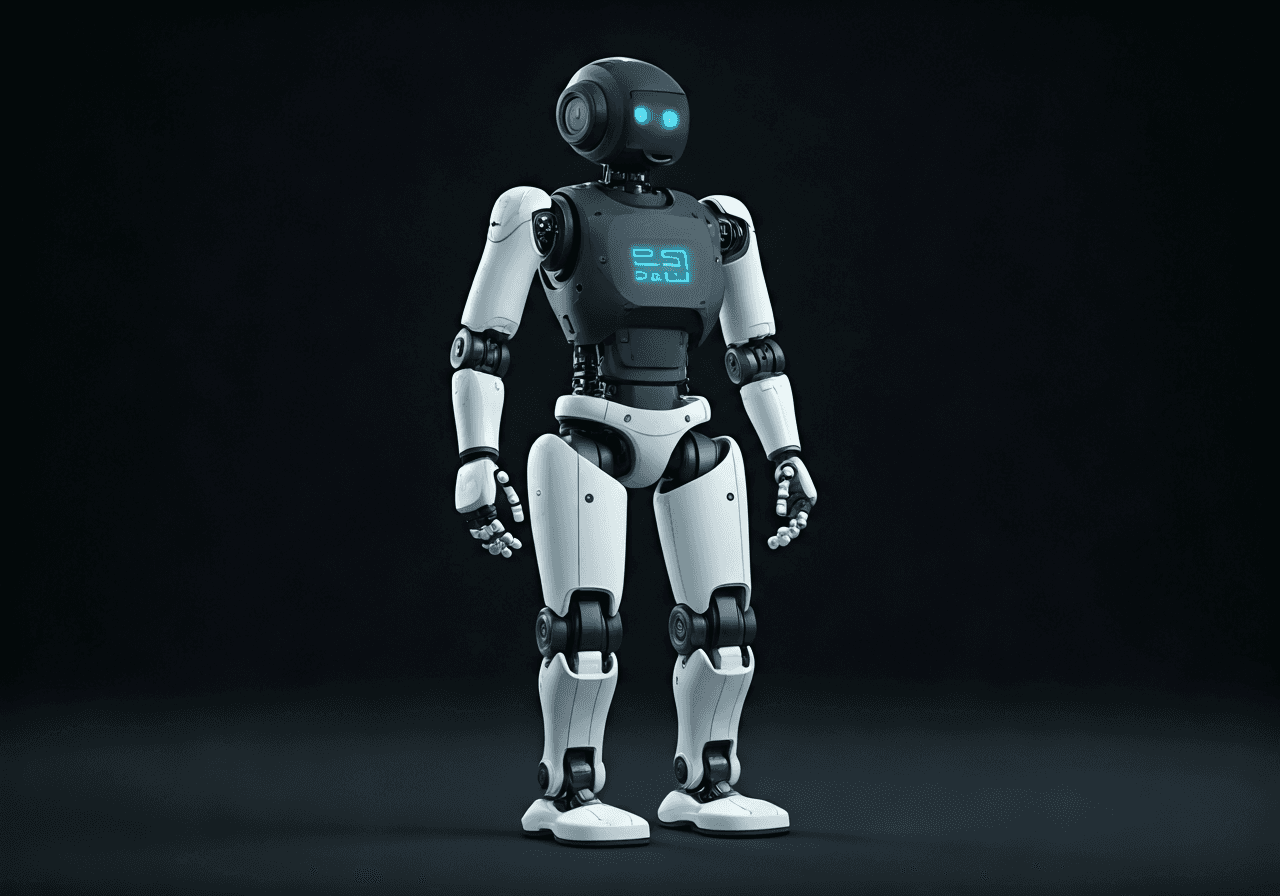
NEO
Soft-bodied home humanoid

H1
Sub-$100K Chinese humanoid — fastest walker in class
Specifications
| Spec | NEO | H1 |
|---|---|---|
| Price (USD) | $20,000 | $90,000 |
| Category | humanoid | humanoid |
| Payload | 20 kg | 30 kg |
| Runtime | 4 h | 2 h |
| Speed | — | 3.3 m/s |
| Weight | 30 kg | 47 kg |
| Degrees of Freedom | — | 19 |
- Home assistance
- Elderly care
- Housework
- Humanoid robotics research
- Industrial R&D
- Content creation / film
- Robotics competitions
When to pick which
Choose the 1X Technologies NEO for domestic service providers and elderly care facilities prioritizing human safety and budget-conscious scaling. Its soft-bodied design is a critical safety constraint for operating in close proximity to vulnerable individuals, significantly reducing injury risks compared to rigid frames. At a $20,000 price point, it enables pilot deployments in residential settings where the $90,000 H1 is cost-prohibitive. The four-hour runtime facilitates extended housework cycles or monitoring tasks without frequent docking. It is the superior choice for developers building consumer-facing home assistance applications using Python or the 1X API.
Opt for the Unitree Robotics H1 for university research labs and industrial R&D departments focused on high-performance locomotion and bipedal dynamics. Its 3.3 m/s walking speed and 19 degrees of freedom make it the preferred platform for robotics competitions and advanced gait analysis. The open-source Unitree SDK and ROS2 driver support allow deep integration for complex sensor fusion and autonomous navigation projects. While more expensive, its 30kg payload capacity suits industrial inspection tasks or content creation where heavy camera rigs are required. It is the standard for technical teams needing a robust, high-torque research vehicle.
Ready to evaluate?
Request a vendor quote or compare more options.