Apptronik ApollovsEngineered Arts Ameca
Side-by-side comparison of Apptronik Apollo and Engineered Arts Ameca: specs, price, use cases and SDKs.
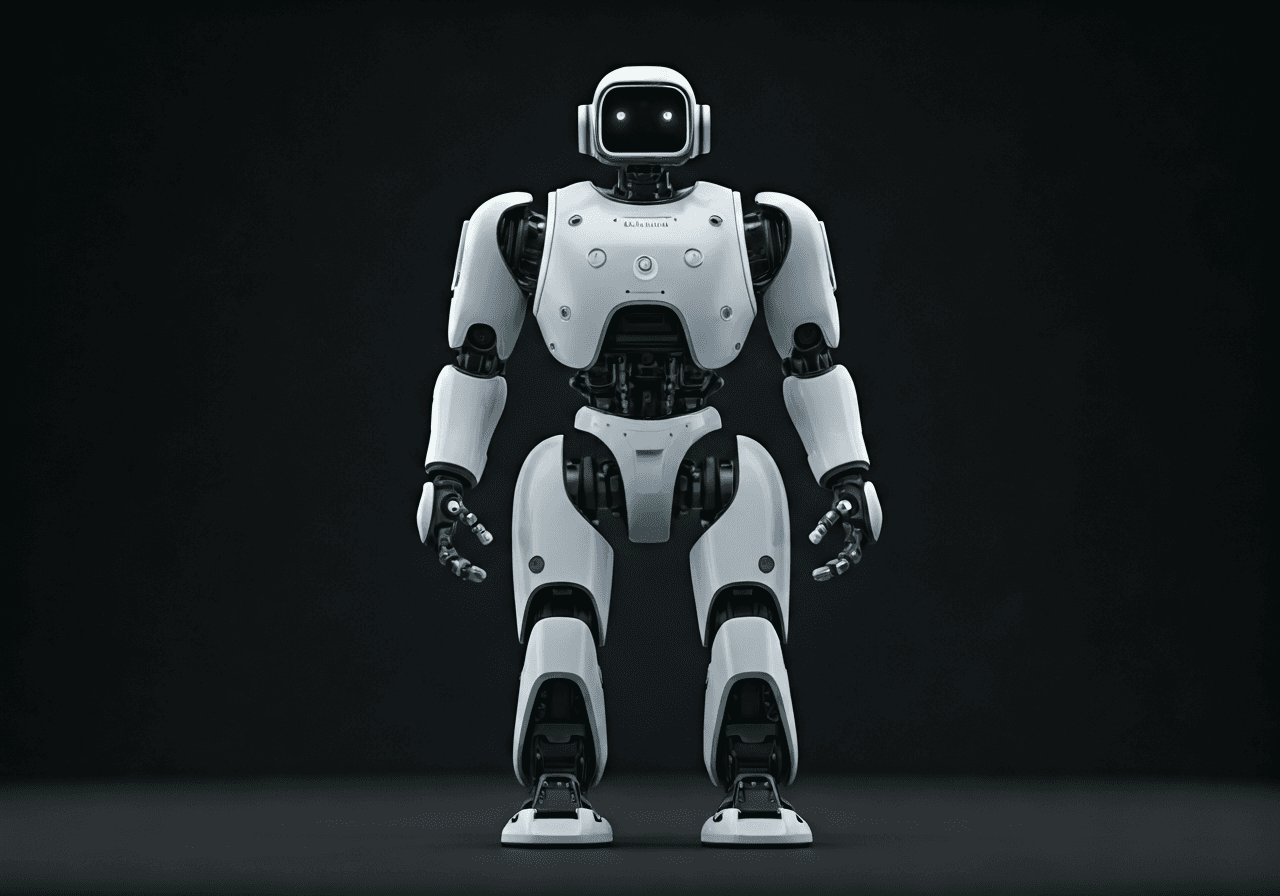
Apollo
General-purpose humanoid for logistics
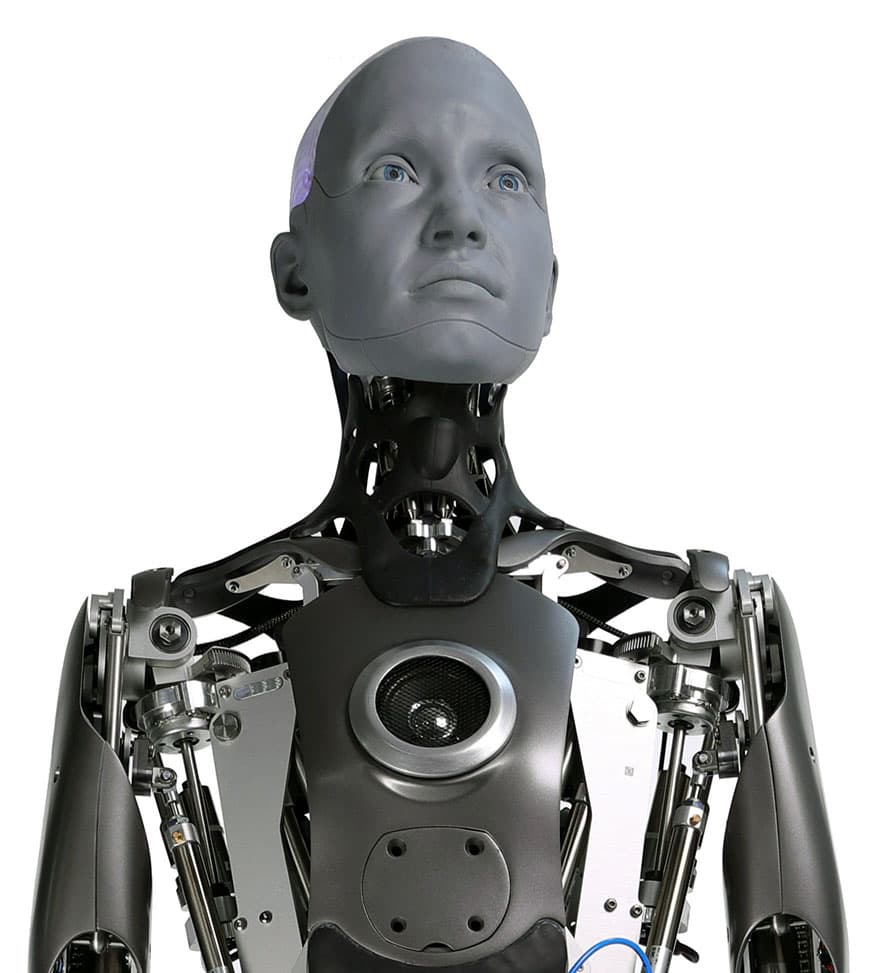
Ameca
Hyper-realistic humanoid face + upper-body for HRI research
Specifications
| Spec | Apollo | Ameca |
|---|---|---|
| Price (USD) | $120,000 | $175,000 |
| Category | humanoid | humanoid |
| Payload | 25 kg | — |
| Runtime | 4 h | — |
| Weight | 73 kg | 50 kg |
| Reach | — | Upper-body humanoid |
| Degrees of Freedom | — | 51 |
- Logistics
- Manufacturing
- Warehousing
- HRI research
- Museum / theme park installations
- Brand activations
- Film + TV
When to pick which
Choose Apptronik Apollo for industrial automation and high-volume logistics operations where physical labor is the primary requirement. A warehouse manager seeking to automate palletizing or case-picking tasks should prioritize Apollo due to its 25kg payload capacity and four-hour runtime, which allows for sustained material handling. Its ROS2 compatibility makes it suitable for integration into existing manufacturing fleets. At $120,000, it is the cost-effective choice for scaling fleet deployments in brownfield facilities where the robot must move heavy objects rather than interact socially with humans.
Select Engineered Arts Ameca for high-end Human-Robot Interaction (HRI) research, museum installations, or luxury brand activations where social engagement is paramount. A research university or entertainment venue should choose Ameca for its 51 degrees of freedom and hyper-realistic facial expressions, which are essential for studying non-verbal communication or creating immersive guest experiences. While it lacks the payload of industrial units, its Tritium OS and native LLM plugins for OpenAI and Google make it the superior platform for deploying sophisticated, conversational AI in public-facing environments or film production.
Ready to evaluate?
Request a vendor quote or compare more options.