Apptronik ApollovsFigure AI Figure 02
Side-by-side comparison of Apptronik Apollo and Figure AI Figure 02: specs, price, use cases and SDKs.
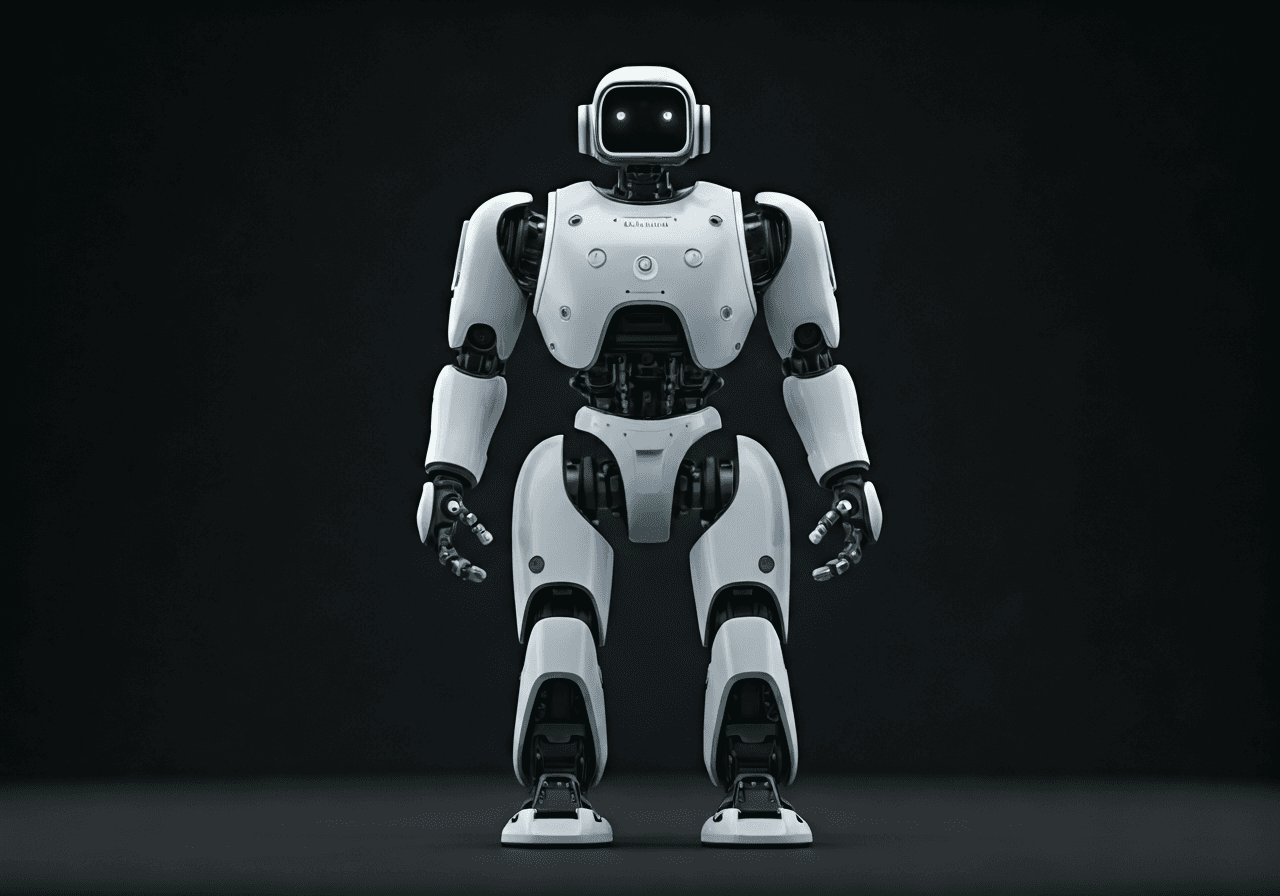
Apollo
General-purpose humanoid for logistics
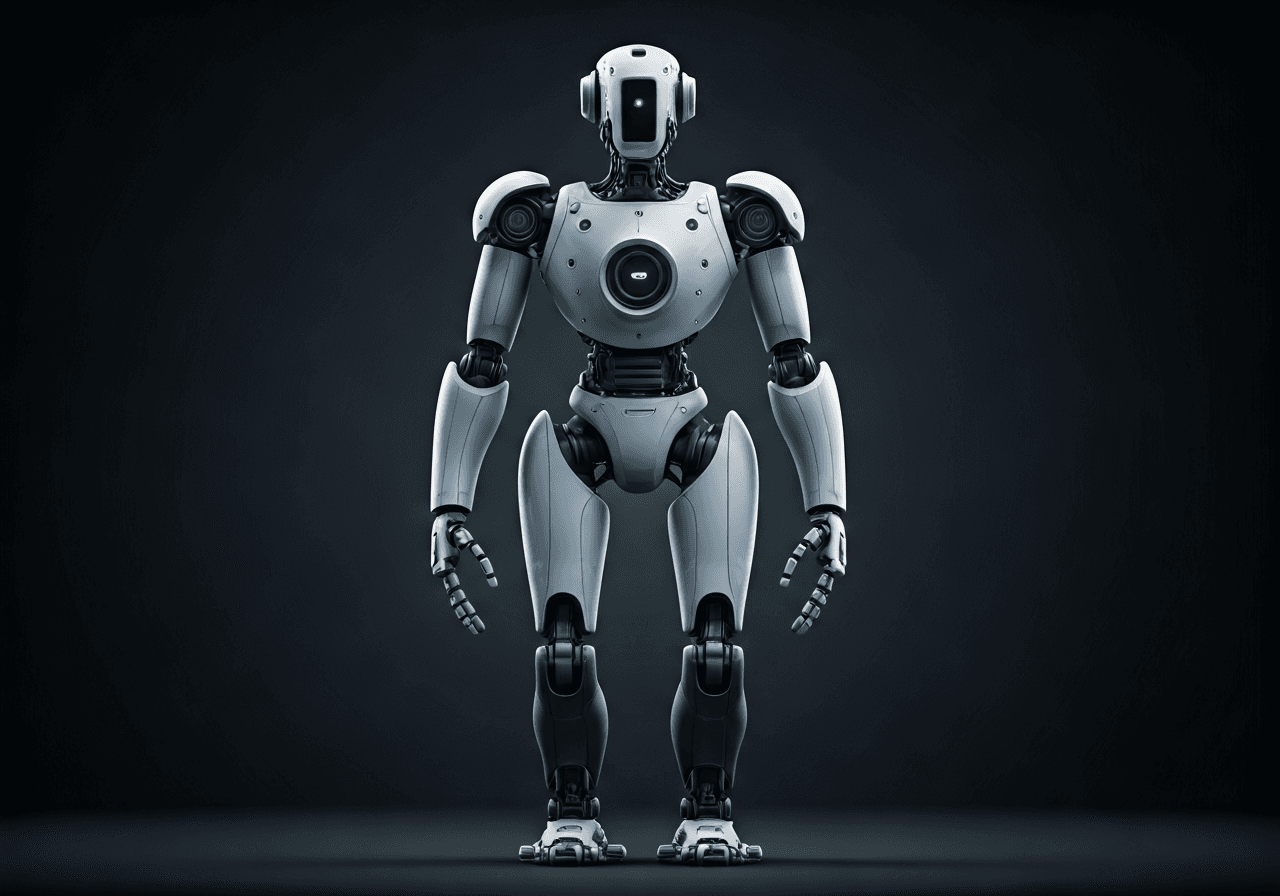
Figure 02
Commercial humanoid for BMW plants
Specifications
| Spec | Apollo | Figure 02 |
|---|---|---|
| Price (USD) | $120,000 | $150,000 |
| Category | humanoid | humanoid |
| Payload | 25 kg | 20 kg |
| Runtime | 4 h | 5 h |
| Weight | 73 kg | 70 kg |
- Logistics
- Manufacturing
- Warehousing
When to pick which
Choose the Apptronik Apollo for high-volume logistics facilities requiring heavy lifting and cost-effective fleet scaling. With a 25kg payload capacity, Apollo is better suited for moving heavier totes or palletized goods compared to the Figure 02. Small-to-medium enterprises or research labs with existing ROS2 infrastructure will benefit from its native SDK support, reducing integration overhead. If your deployment involves repetitive case handling where the $30,000 price difference impacts the ROI of a multi-unit rollout, Apollo’s superior weight-to-payload ratio makes it the more economical choice for intensive material handling tasks.
Opt for the Figure AI Figure 02 for large-scale automotive manufacturing environments where continuous operation is critical. The five-hour runtime provides a 25% endurance advantage over the Apollo, making it ideal for multi-shift factory floors where minimizing charging downtime is essential. Its lighter 70kg frame and modern Python/REST API cater to enterprise software teams prioritizing ease of integration into existing cloud-based warehouse management systems. Choose Figure 02 if your deployment scale demands high reliability and longer operational windows per charge, justifying the premium price through reduced intervention and superior battery efficiency.
Ready to evaluate?
Request a vendor quote or compare more options.