Apptronik ApollovsUBTECH Walker S2
Side-by-side comparison of Apptronik Apollo and UBTECH Walker S2: specs, price, use cases and SDKs.
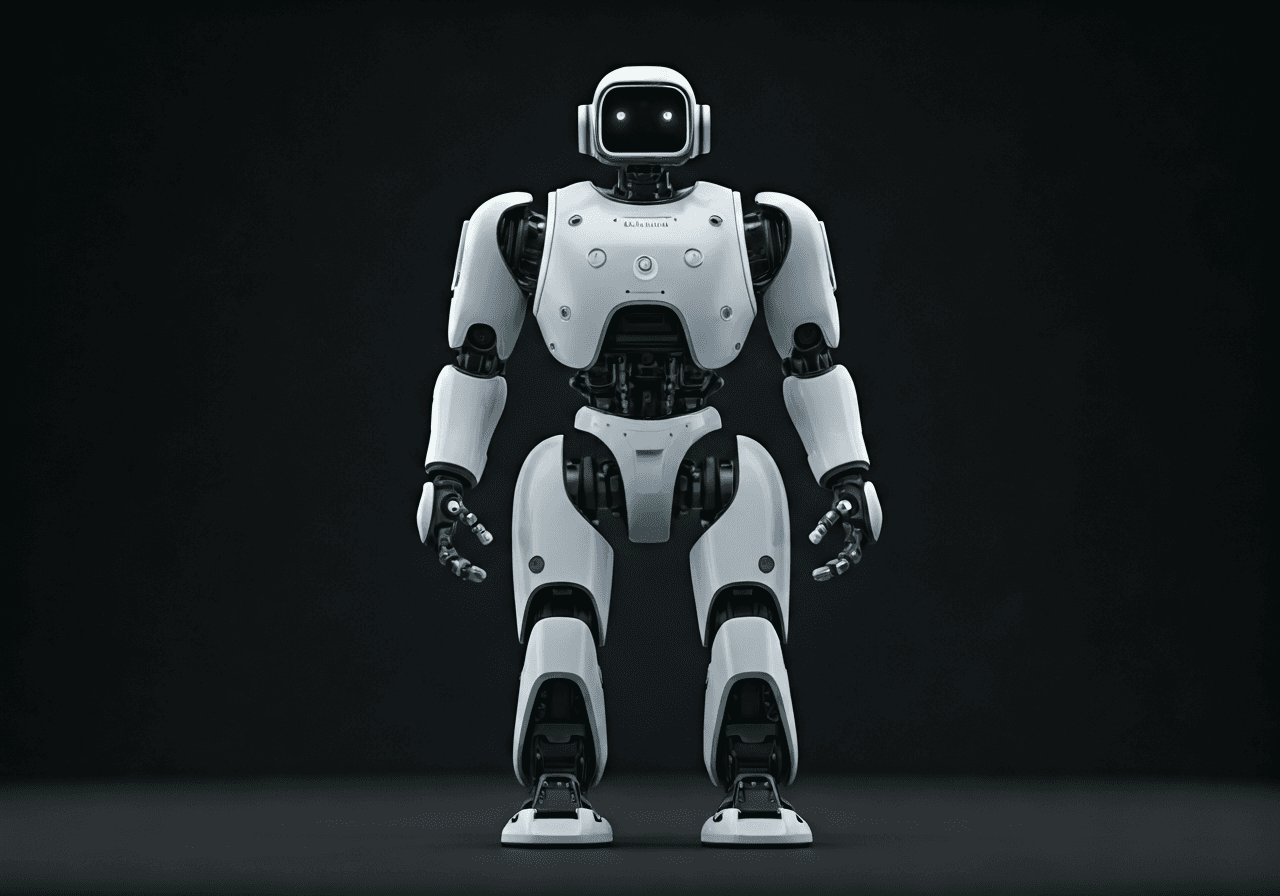
Apollo
General-purpose humanoid for logistics
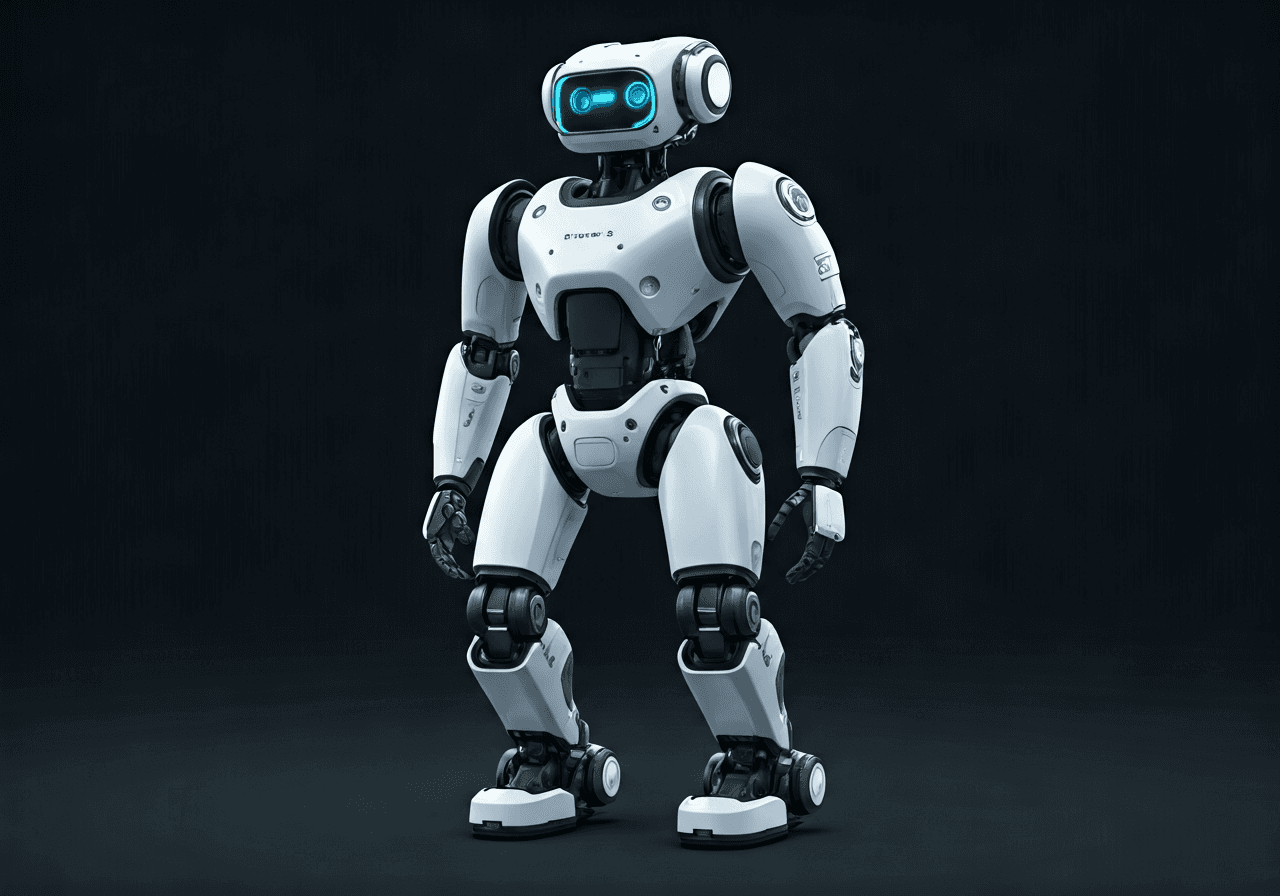
Walker S2
Swappable-battery industrial humanoid
Specifications
| Spec | Apollo | Walker S2 |
|---|---|---|
| Price (USD) | $120,000 | $40,000 |
| Category | humanoid | humanoid |
| Payload | 25 kg | 15 kg |
| Runtime | 4 h | 4 h |
| Weight | 73 kg | 95 kg |
- Logistics
- Manufacturing
- Warehousing
- Factory automation
- Industrial pilots
When to pick which
Choose the Apptronik Apollo for high-intensity logistics operations where heavy material handling is the primary requirement. With a 25kg payload capacity—significantly higher than the Walker S2—the Apollo is better suited for moving heavy totes or palletizing goods in warehouse environments. Its lighter 73kg frame improves energy efficiency and safety in collaborative workspaces. Buyers prioritizing software flexibility should select Apollo for its ROS2 compatibility, allowing engineering teams to integrate custom navigation and manipulation stacks. This robot is the superior choice for large-scale manufacturing facilities requiring a robust, high-capacity humanoid capable of sustained physical labor.
Opt for the UBTECH Walker S2 when scaling industrial pilot programs on a restricted budget. At a $40,000 price point—one-third the cost of the Apollo—the Walker S2 allows for the deployment of three units for the price of one competitor, making it ideal for testing fleet coordination in factory automation. While its 15kg payload is lower, it is sufficient for light assembly tasks and inspection rounds. The swappable battery system makes it a practical choice for multi-shift operations where minimizing downtime is critical. Choose this model for cost-sensitive logistics deployments where quantity and continuous uptime outweigh maximum lifting capacity.
Ready to evaluate?
Request a vendor quote or compare more options.