Apptronik ApollovsUnitree Robotics H1
Side-by-side comparison of Apptronik Apollo and Unitree Robotics H1: specs, price, use cases and SDKs.
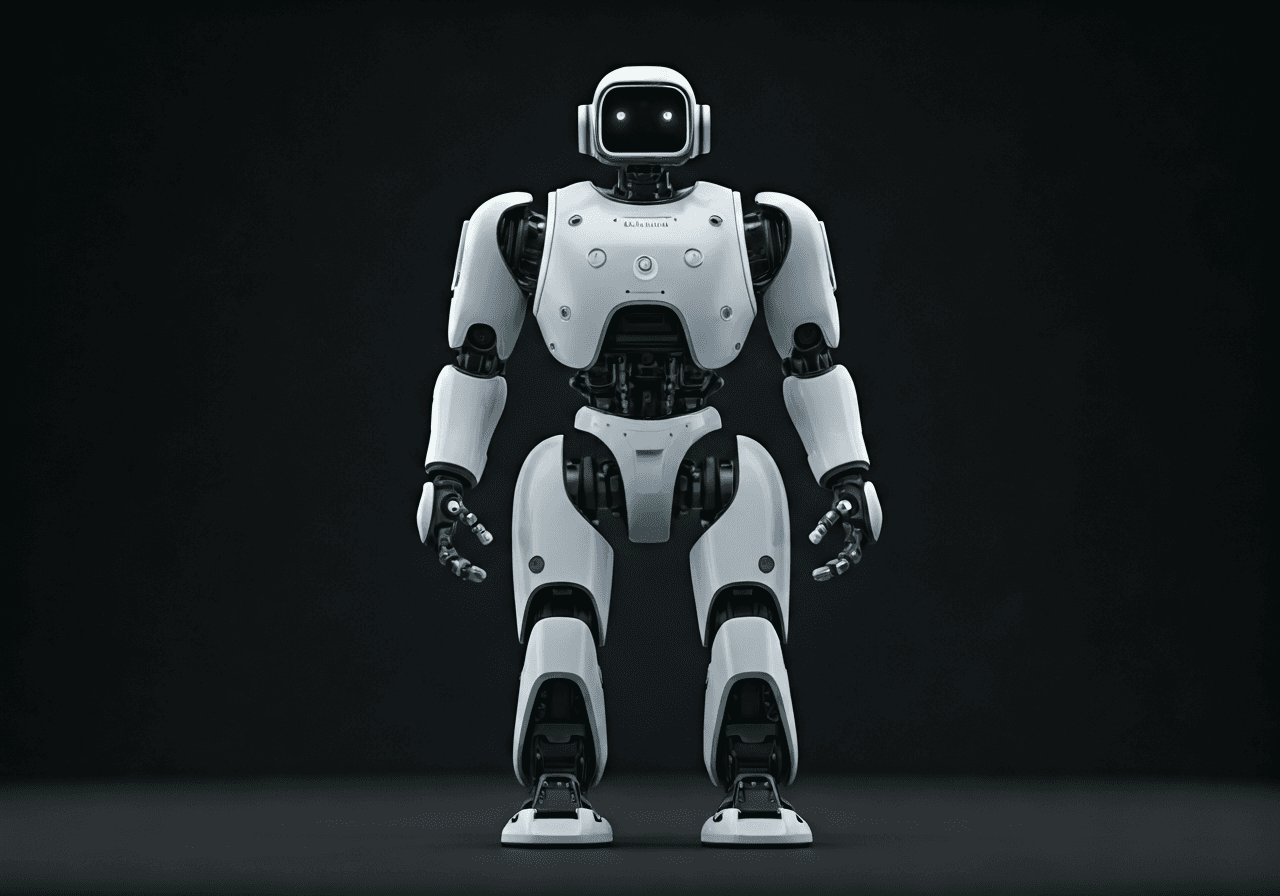
Apollo
General-purpose humanoid for logistics

H1
Sub-$100K Chinese humanoid — fastest walker in class
Specifications
| Spec | Apollo | H1 |
|---|---|---|
| Price (USD) | $120,000 | $90,000 |
| Category | humanoid | humanoid |
| Payload | 25 kg | 30 kg |
| Runtime | 4 h | 2 h |
| Speed | — | 3.3 m/s |
| Weight | 73 kg | 47 kg |
| Degrees of Freedom | — | 19 |
- Logistics
- Manufacturing
- Warehousing
- Humanoid robotics research
- Industrial R&D
- Content creation / film
- Robotics competitions
When to pick which
Choose the Apptronik Apollo for industrial logistics and high-volume manufacturing environments where operational uptime is critical. With a four-hour runtime—double that of the H1—the Apollo is better suited for continuous warehouse tasks like palletizing or case handling in facilities requiring long duty cycles. Its heavier 73kg build provides the necessary stability for repetitive industrial labor compared to lighter research-oriented models. Buyers in the North American market seeking enterprise-grade support and a dedicated API for supply chain integration should prioritize Apollo for fleet deployments where consistent performance and reliability outweigh raw movement speed.
Select the Unitree Robotics H1 for academic research, robotics competitions, or rapid R&D prototyping where budget and agility are the primary constraints. At a $90,000 price point, it offers a lower barrier to entry for labs testing locomotion algorithms, benefiting from its class-leading 3.3m/s walking speed and 19 degrees of freedom. The open-source SDK and Python API make it ideal for software developers and content creators who require deep, low-level access to the robot's control stack. Its lighter 47kg frame and superior payload-to-weight ratio favor dynamic testing and mobile agility over sustained industrial production line work.
Ready to evaluate?
Request a vendor quote or compare more options.