Tesla Optimus Gen 2vsUBTECH Walker S2
Side-by-side comparison of Tesla Optimus Gen 2 and UBTECH Walker S2: specs, price, use cases and SDKs.
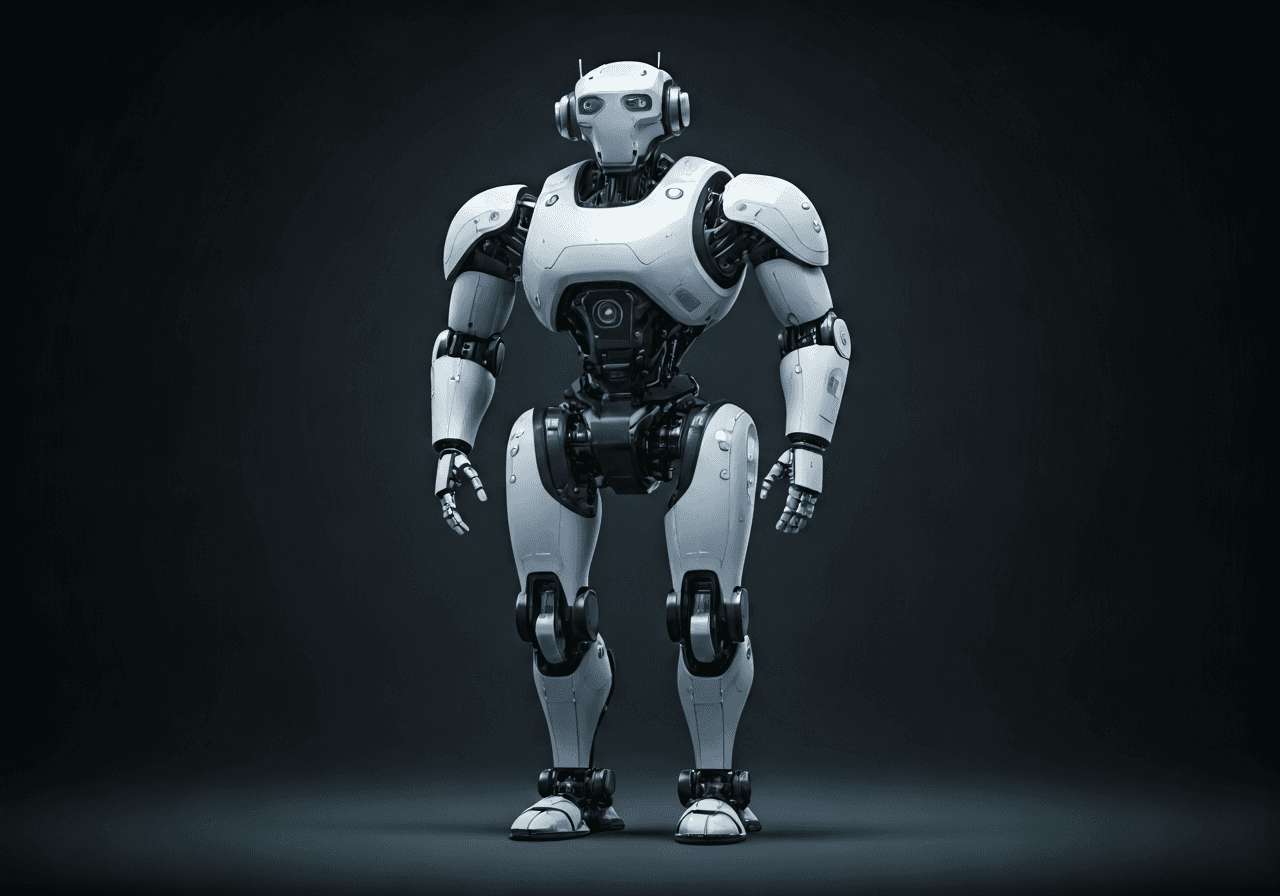
Optimus Gen 2
General-purpose humanoid from Tesla
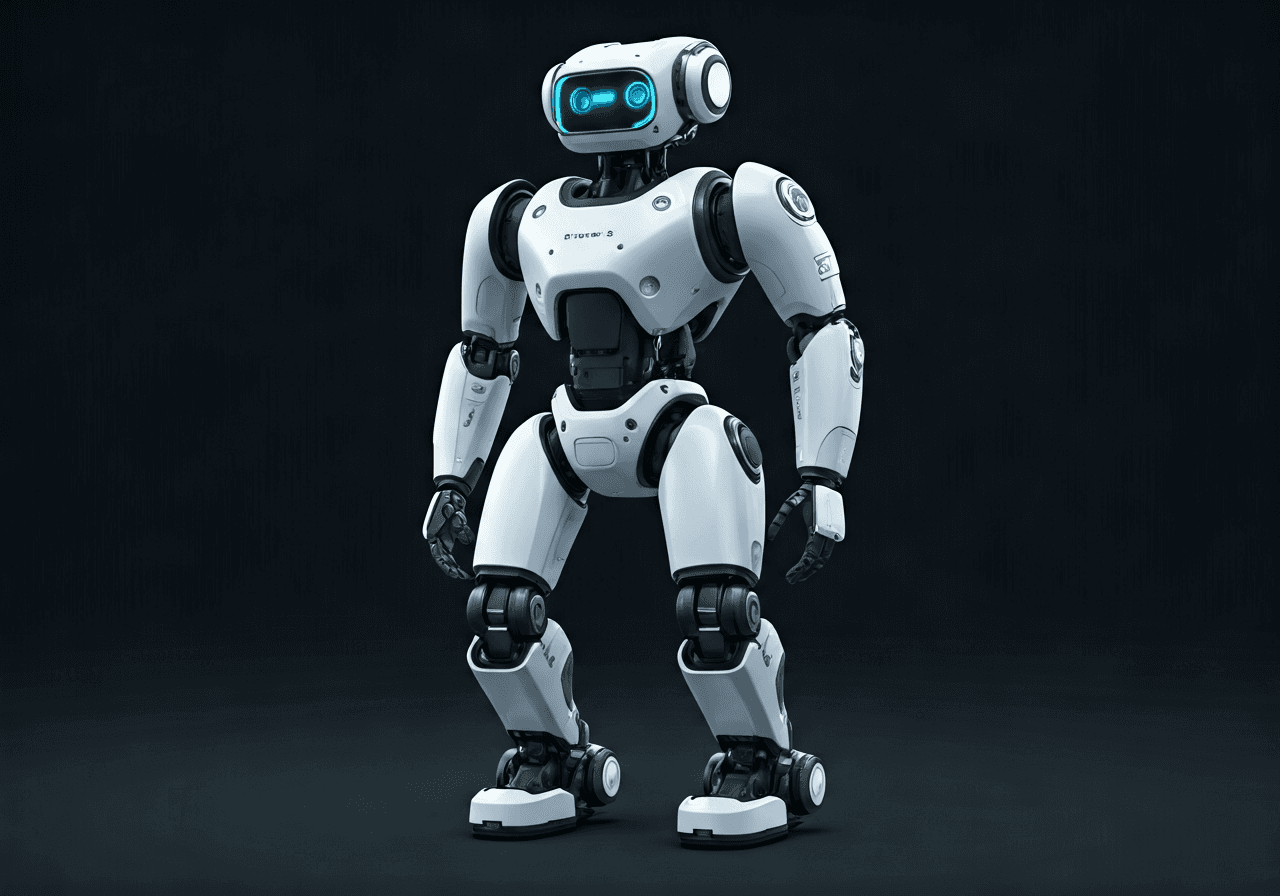
Walker S2
Swappable-battery industrial humanoid
Specifications
| Spec | Optimus Gen 2 | Walker S2 |
|---|---|---|
| Price (USD) | $30,000 | $40,000 |
| Category | humanoid | humanoid |
| Payload | — | 15 kg |
| Runtime | 8 h | 4 h |
| Speed | 2.5 m/s | — |
| Weight | 57 kg | 95 kg |
| Degrees of Freedom | 28 | — |
- Factory automation
- Logistics
- Home assistance
- Industrial pilots
When to pick which
Select the Tesla Optimus Gen 2 for large-scale logistics deployments or light assembly tasks where cost-efficiency and agility are paramount. At a $30,000 price point, it offers a lower barrier to entry for fleet scaling compared to the Walker S2. Its 2.5 m/s top speed and 8-hour runtime make it superior for high-throughput e-commerce fulfillment centers requiring rapid movement across large floor areas. The lighter 57kg frame and Python SDK support also favor developers building general-purpose home assistance applications or collaborative workflows where human-robot proximity and ease of programming are critical constraints.
Opt for the UBTECH Walker S2 in heavy-duty industrial pilots or automotive manufacturing environments that demand continuous 24/7 operation. While its 4-hour runtime is shorter, the swappable battery system allows for immediate turnover, making it more suitable for multi-shift factory lines than robots requiring stationary charging. The explicit 15kg payload capacity justifies the $40,000 investment for tasks involving the transport of heavy sub-assemblies or tools. Choose this platform for structured industrial logistics where the 95kg build provides the necessary stability for lifting and manipulating substantial materials that lighter humanoids cannot handle.
Ready to evaluate?
Request a vendor quote or compare more options.