Unitree Robotics Unitree G1vsXPeng Iron
Side-by-side comparison of Unitree Robotics Unitree G1 and XPeng Iron: specs, price, use cases and SDKs.
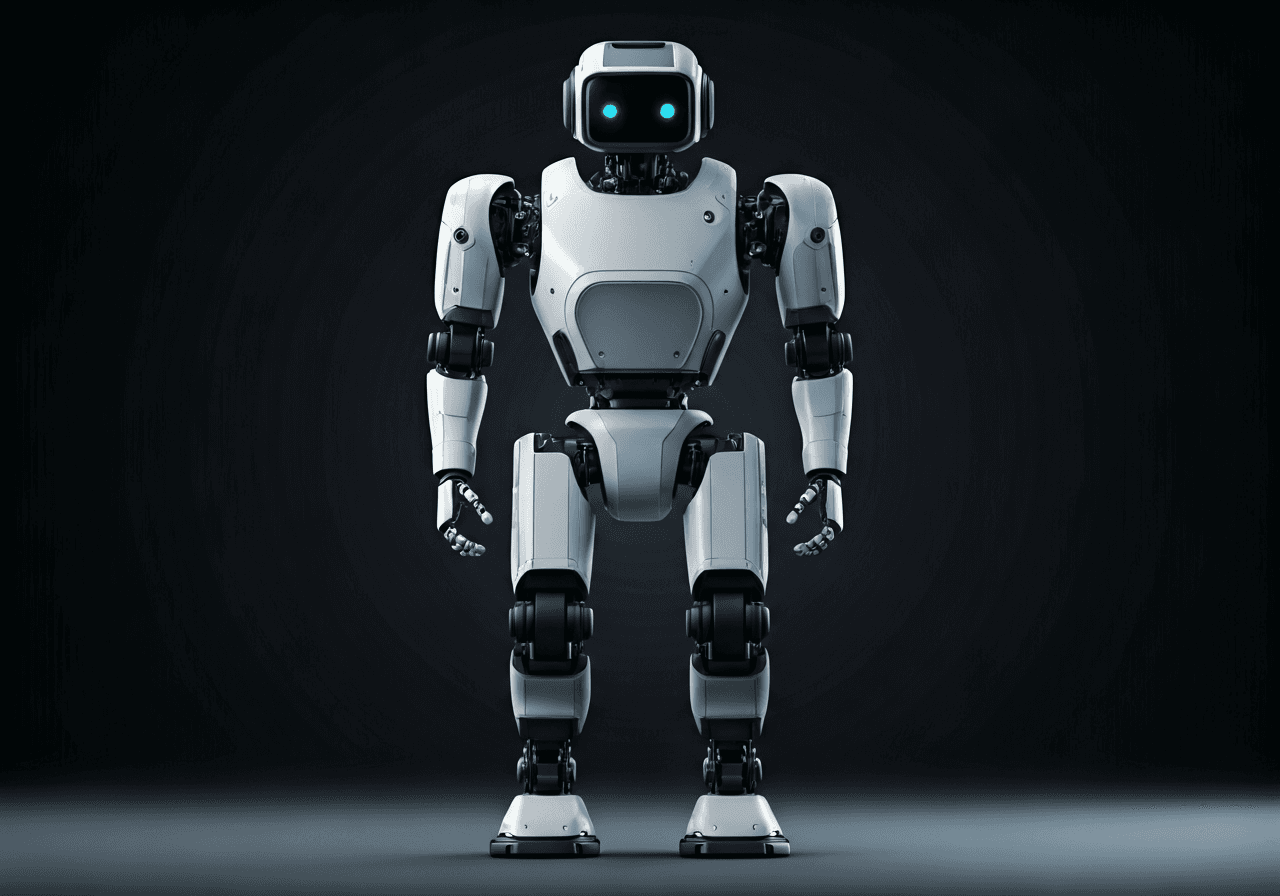
Unitree G1
Consumer-grade humanoid with 23 DoF
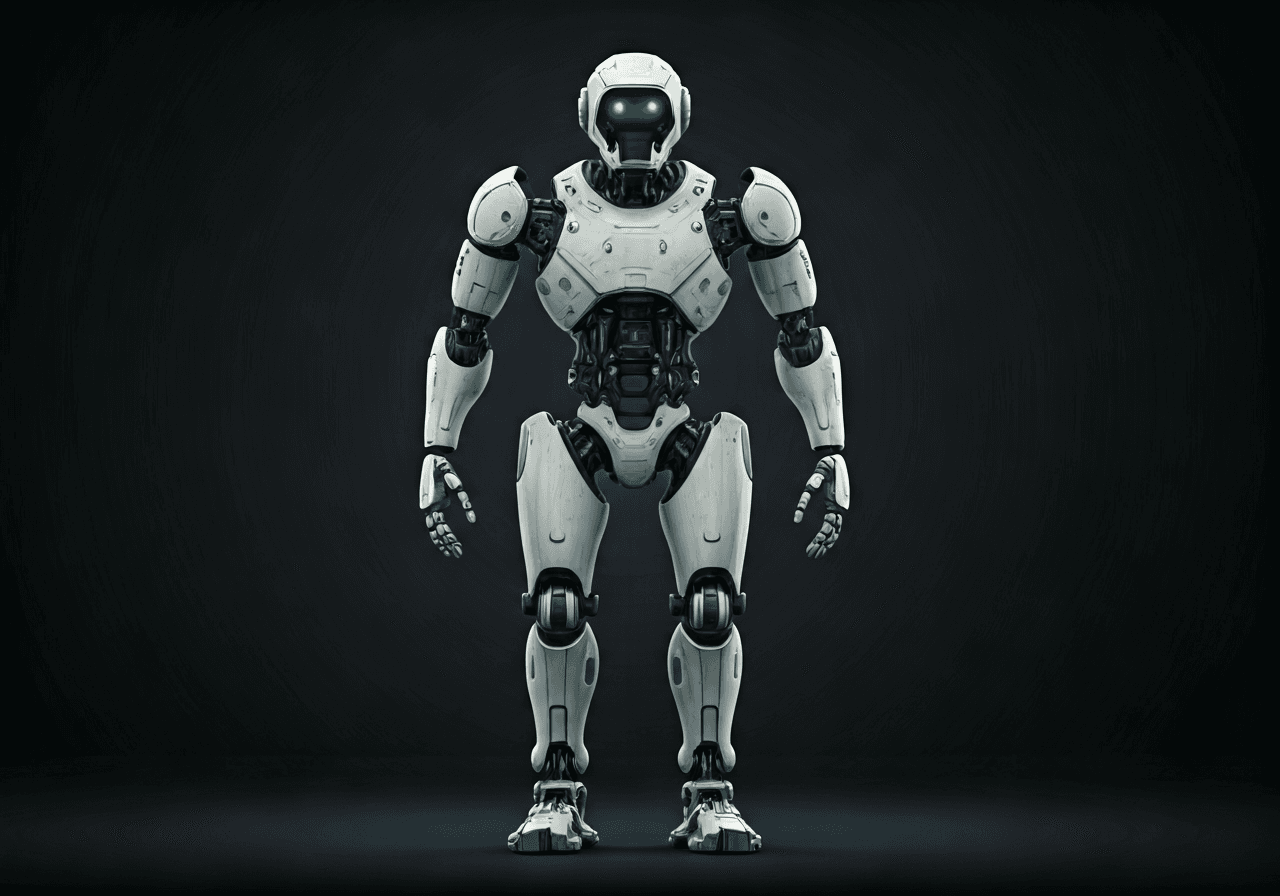
Iron
Automotive-grade humanoid from XPeng
Specifications
| Spec | Unitree G1 | Iron |
|---|---|---|
| Price (USD) | $16,000 | $28,000 |
| Category | humanoid | humanoid |
| Payload | — | 20 kg |
| Runtime | 2 h | 5 h |
| Speed | 2 m/s | — |
| Weight | 35 kg | 70 kg |
| Degrees of Freedom | 23 | 60 |
| Battery | 9000mAh | — |
- Research
- Education
- Demos
- Home companion prototyping
- Automotive manufacturing
- Factory automation
When to pick which
Choose the Unitree G1 for academic research labs or software startups focused on human-robot interaction and home service prototyping. Its $16,000 price point allows for larger deployment scales within fixed grant budgets compared to the XPeng Iron. At 35kg, it is significantly more portable and safer for indoor testing in shared environments. The primary driver for this choice is the extensive SDK support, including ROS2 Humble and Python, which provides the flexibility needed for developing custom AI models and control algorithms that proprietary systems might restrict.
Opt for the XPeng Iron for industrial applications, specifically within automotive manufacturing and heavy-duty factory automation. With a 20kg payload capacity and 60 degrees of freedom, this robot is engineered for complex assembly tasks and material handling that the G1 cannot support. The 5-hour runtime is essential for maintaining productivity across industrial shifts, significantly reducing downtime for charging. Buyers in the manufacturing sector should prioritize the Iron’s automotive-grade build and higher dexterity for precision tasks on the shop floor where physical strength and endurance are non-negotiable operational requirements.
Ready to evaluate?
Request a vendor quote or compare more options.