Atlas at the factory: what Hyundai investment means for commercial humanoids
Boston Dynamics revealed the all-new electric Atlas in January 2026 — and unlike every previous Atlas generation, this one is built for mass production. The target deployment is Hyundai automotive pla
Boston Dynamics revealed the all-new electric Atlas in January 2026 — and unlike every previous Atlas generation, this one is built for mass production. The target deployment is Hyundai automotive plants. Atlas is no longer a research project.
This is a strategic inflection. Hyundai acquired Boston Dynamics from SoftBank for $1.1B in 2020. For five years, BD operated as a premium robotics lab while Hyundai funded the bills. The new Atlas reveals what Hyundai bought: an in-house humanoid manufacturing capability that can equip its own plants and license to peers.
The May 2026 Atlas video from BD opens with the line: "Balancing commercial goals and robotics research can be tricky." That is the whole Atlas problem. The hydraulic Atlas had the strongest body in robotics for a decade — balance, agility, whole-body control — but was uneconomical to mass-produce. The electric Atlas trades some peak athletic performance for build-cost economics, modular maintenance, and a power profile that fits a factory shift.
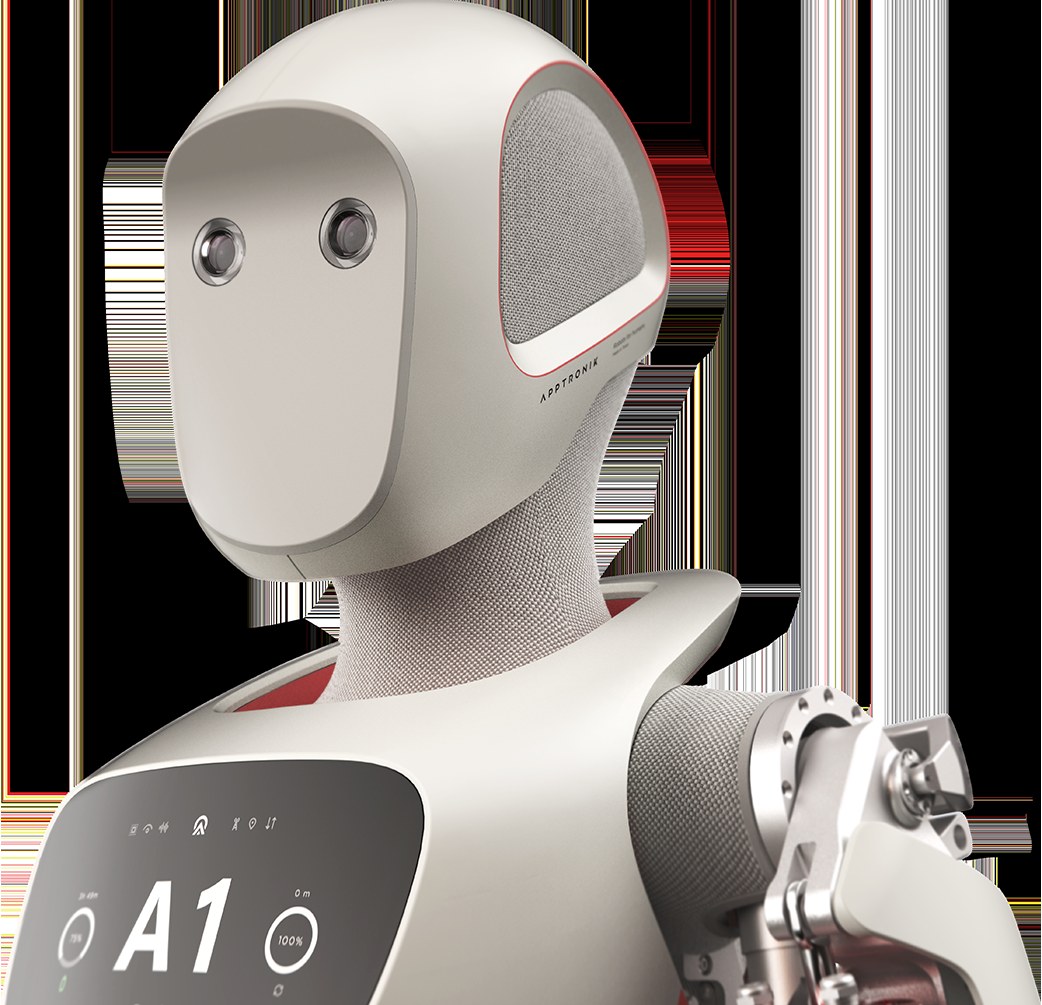
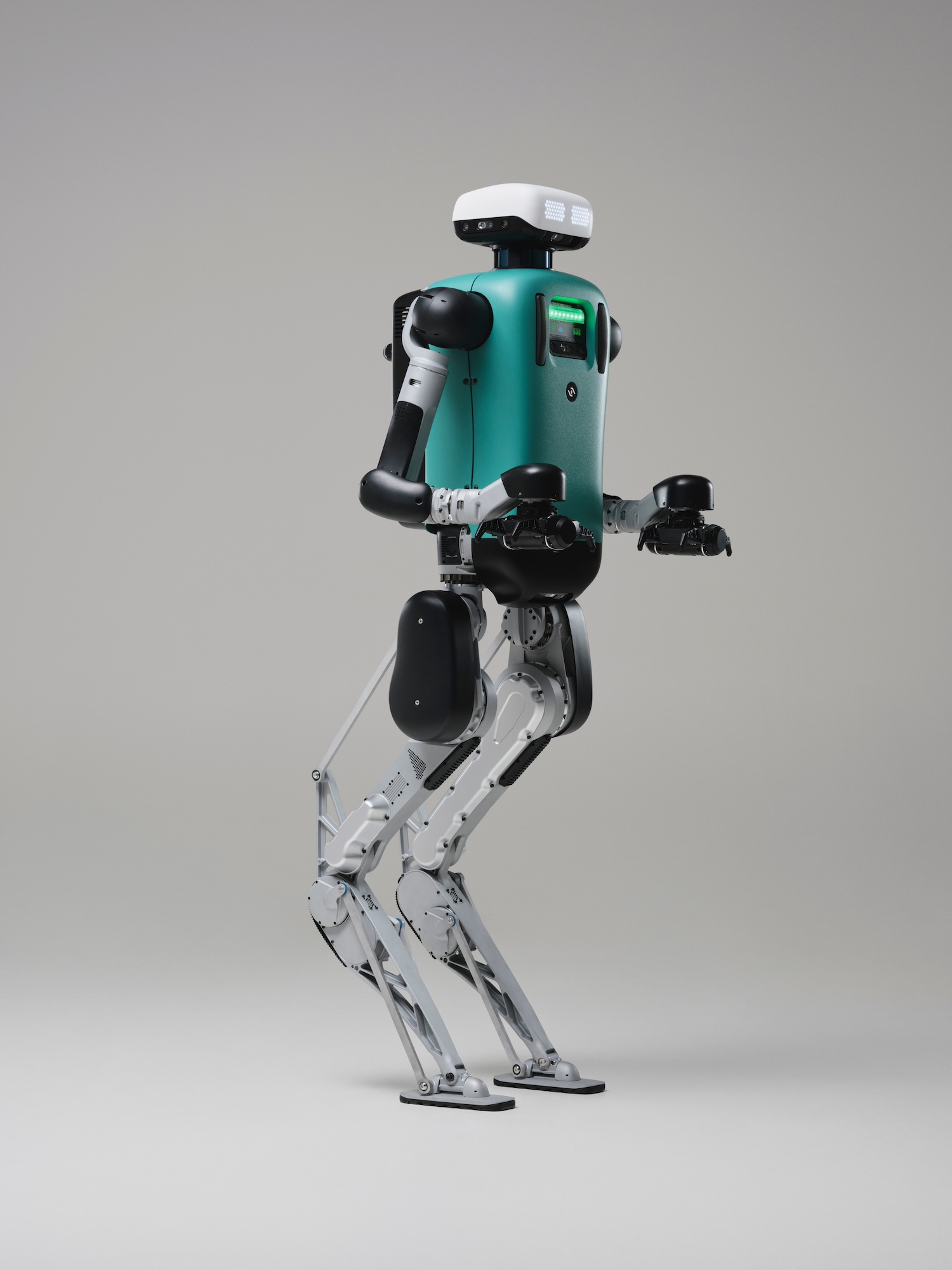
The customer competition that matters: Figure 02 at BMW Spartanburg, Apptronik Apollo at Mercedes-Benz and GXO, Agility Digit at GXO and Spanx. Each has its own automotive or logistics anchor customer. Atlas at Hyundai joins the same pattern — vertically integrated, anchored to a manufacturing parent, scaling on internal use before opening to external sales.
The interesting bet for the next 18 months is which vertically-integrated humanoid platform scales fastest to multi-thousand units shipping per year. Atlas (Hyundai), Optimus (Tesla), and Figure (no parent but tight commercial focus) are the three frontrunners. The race is not for autonomy — it is for reliability at line speed.
Via @XRoboHub on X.
Need this kind of robot for your operation?
Send us the use case. We return a vendor-neutral shortlist, indicative pricing, and warm vendor contacts within 48 hours.