Unitree shows wheeled humanoid: bipedal robot gains wheels for indoor logistics
On April 23, Unitree Robotics teased a wheeled version of its humanoid platform — a bipedal robot whose feet have been swapped for compact powered wheels. The company framed the variant in its X post
On April 23, Unitree Robotics teased a wheeled version of its humanoid platform — a bipedal robot whose feet have been swapped for compact powered wheels. The company framed the variant in its X post with characteristic understatement: "They can work without wheels — but they can also have wheels if they want. Whatever works."
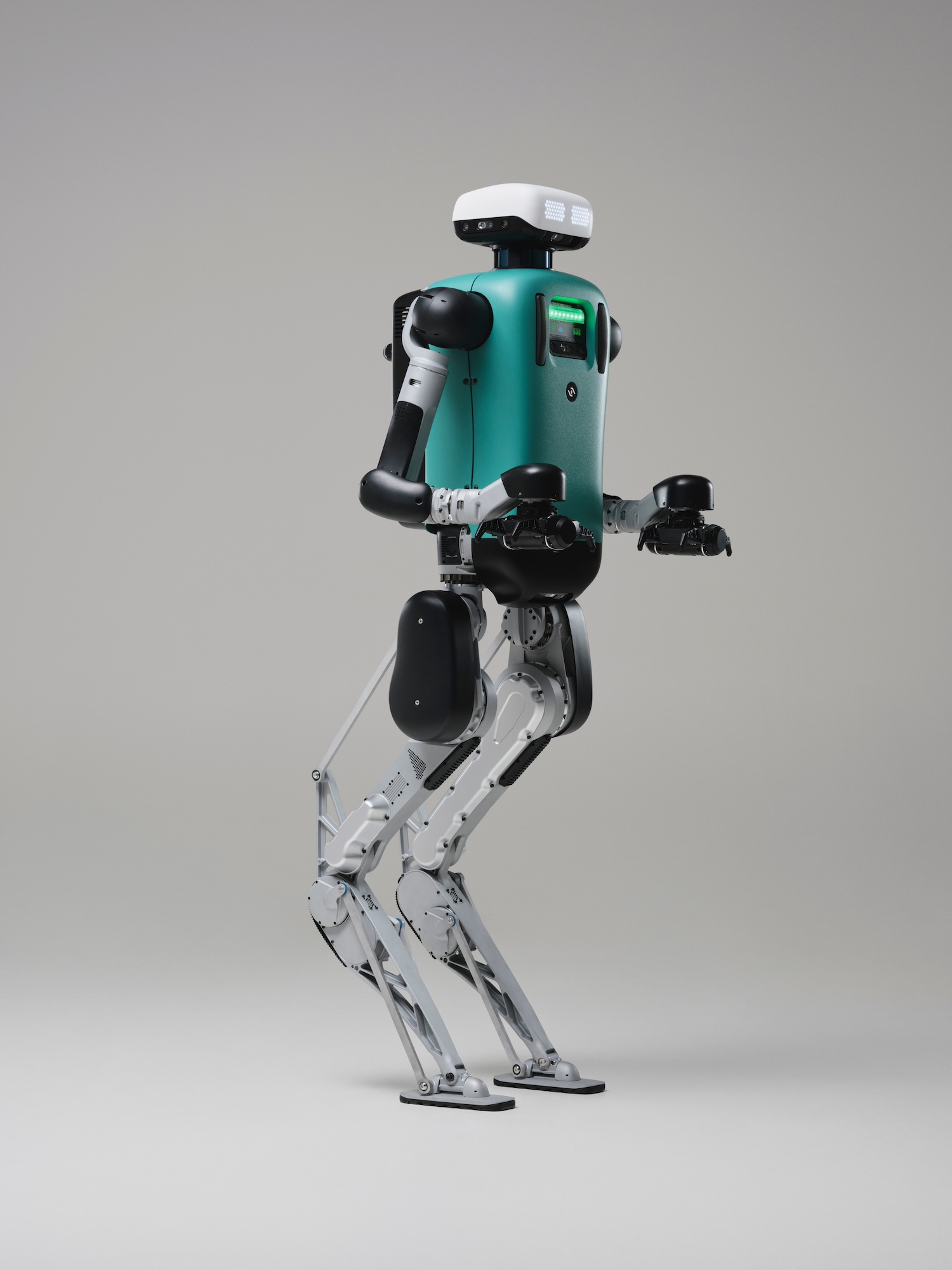
The wheeled humanoid sits between two robot categories that have largely been treated as separate. On one side: bipedal humanoids like Agility Robotics’ Digit, designed to walk where humans walk. On the other: wheeled mobile manipulators built on AMR bases that move fast on flat floors but cannot climb. Unitree’s answer is to put both on the same body — wheels when the floor is flat, legs when it isn’t.
For indoor logistics use cases — warehouses, hospitals, retail back-of-house — wheels are faster and burn less battery than walking. For stairs, ramps, and unstructured spaces, legs win. A robot that does both swaps the question from "which form factor wins" to "which mode wins per-task." The engineering compromise is non-trivial: hybrid drivetrains add weight, complexity, and failure modes. The public footage is short and doesn’t resolve payload, endurance, or stair-climbing performance — but the signal is clear.
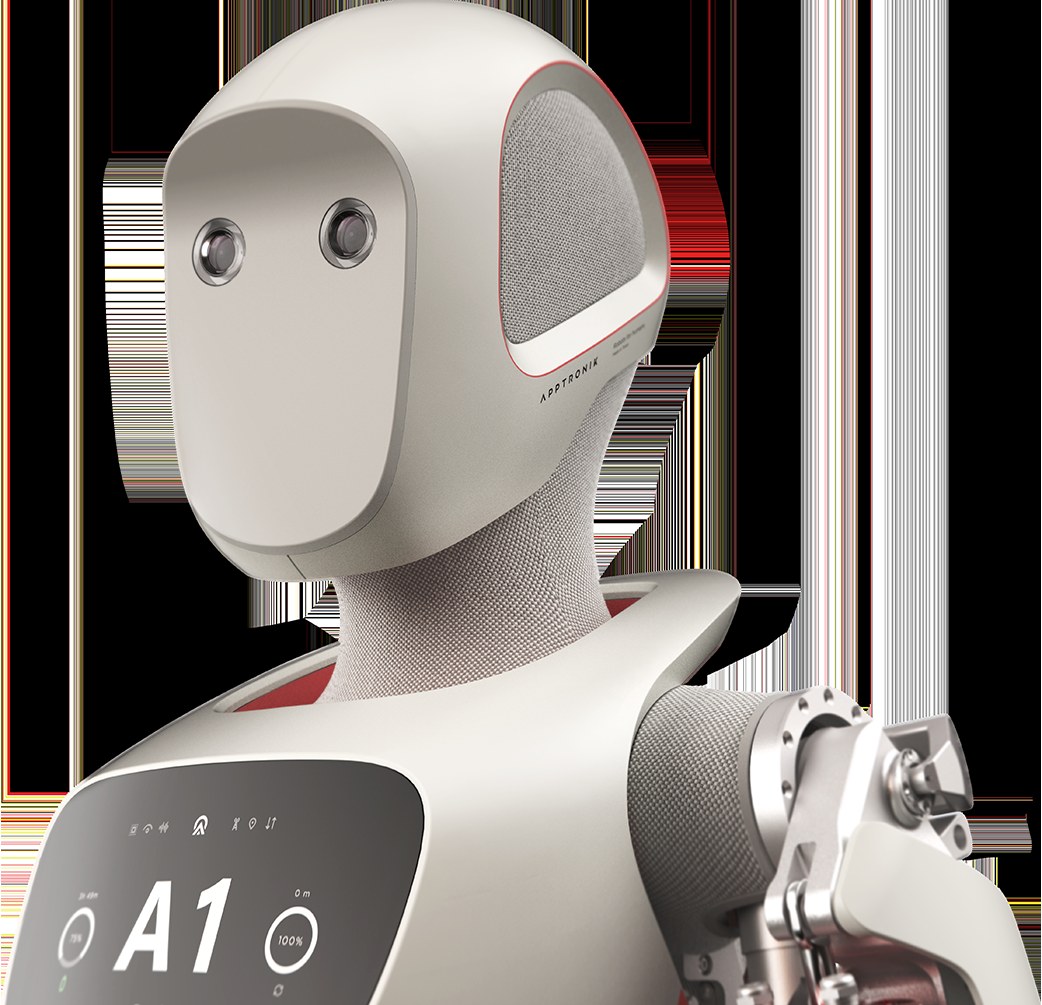
With Unitree’s pricing track record — the G1 humanoid lists at roughly $16,000, an order of magnitude below US competitors — an affordable wheeled humanoid would pressure $250K-class offerings like Agility’s Digit and Apptronik’s Apollo. Whether the wheeled variant ships as a standalone product, a retrofit kit for the existing G1/H1 lineup, or a research-only configuration has not been confirmed by Unitree.