1X Technologies NEOvsApptronik Apollo
Side-by-side comparison of 1X Technologies NEO and Apptronik Apollo: specs, price, use cases and SDKs.
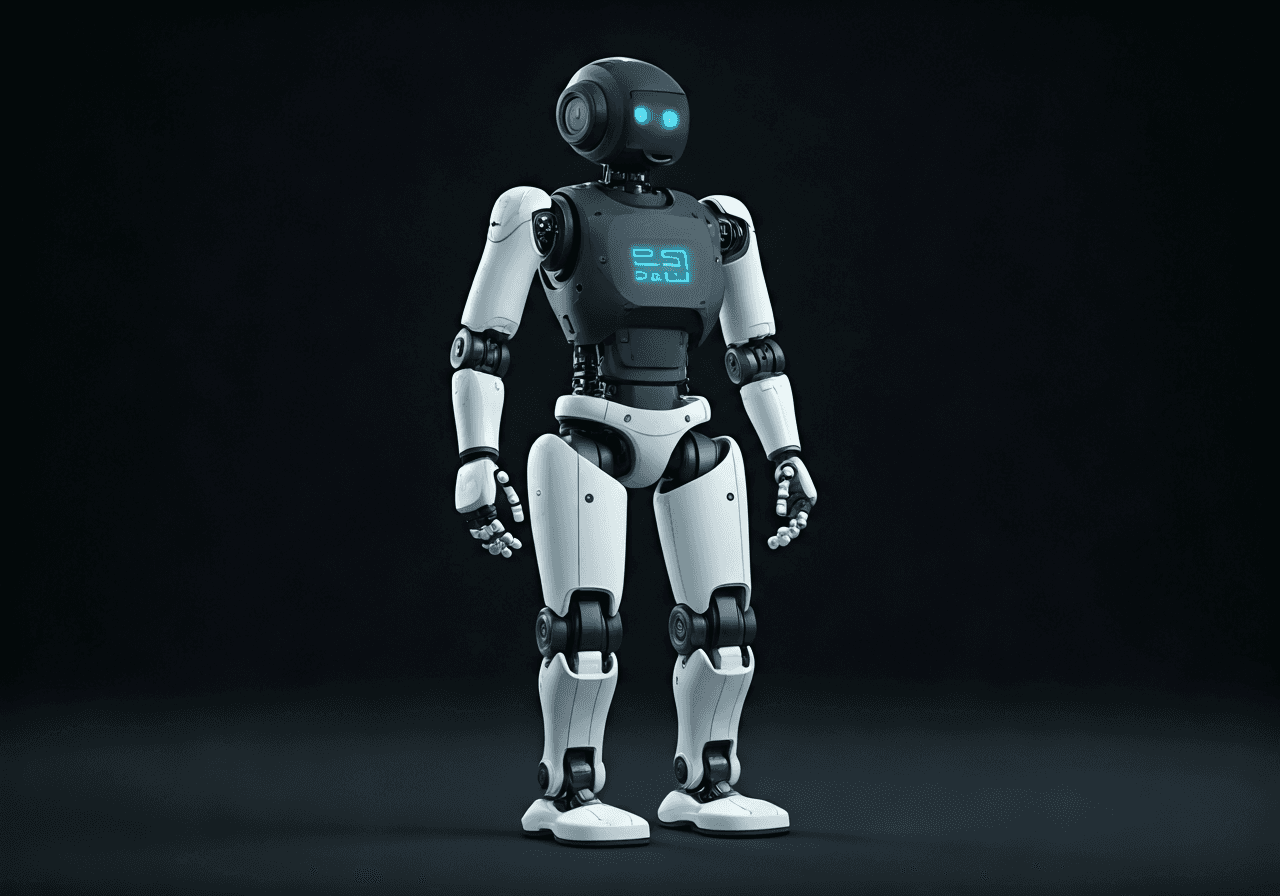
NEO
Soft-bodied home humanoid
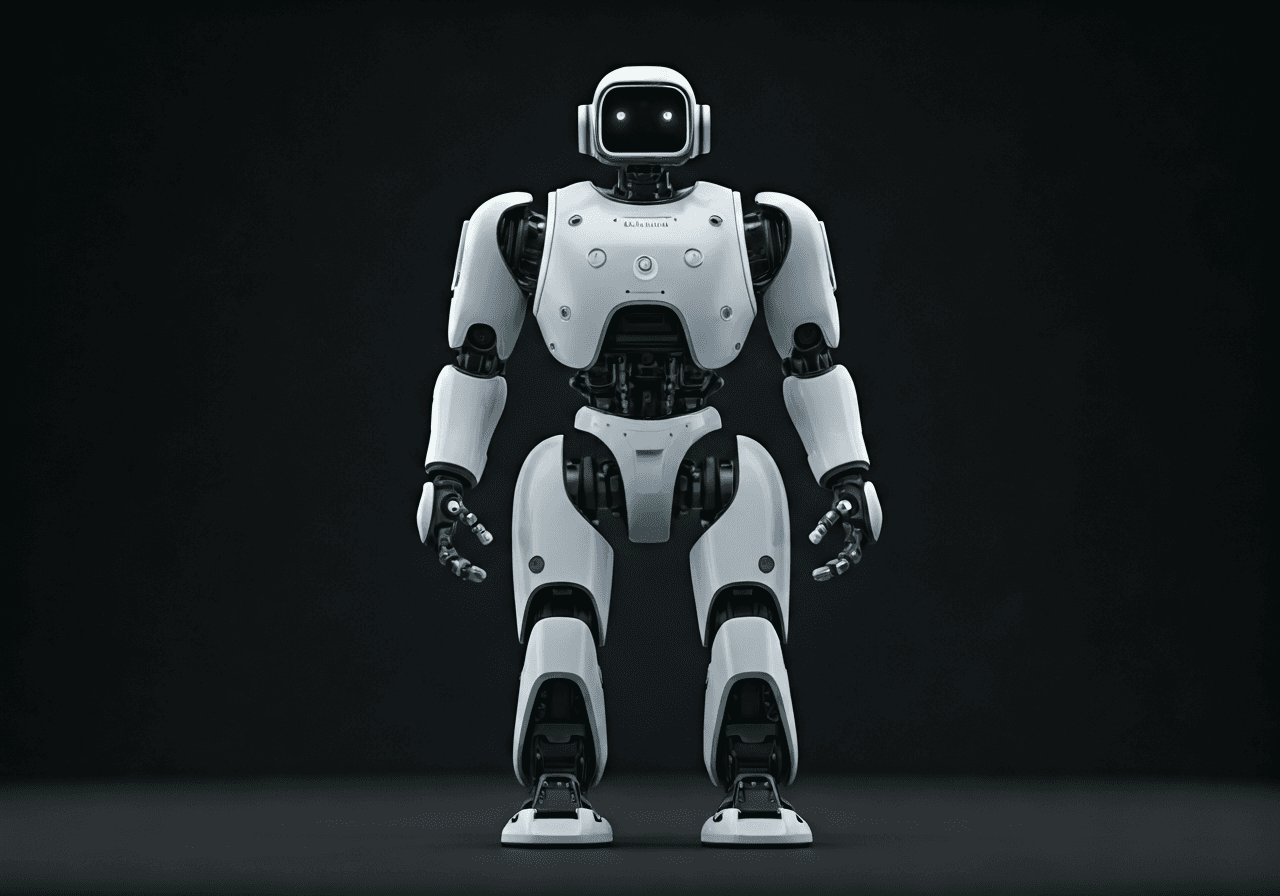
Apollo
General-purpose humanoid for logistics
Specifications
| Spec | NEO | Apollo |
|---|---|---|
| Price (USD) | $20,000 | $120,000 |
| Category | humanoid | humanoid |
| Payload | 20 kg | 25 kg |
| Runtime | 4 h | 4 h |
| Weight | 30 kg | 73 kg |
- Home assistance
- Elderly care
- Housework
- Logistics
- Manufacturing
- Warehousing
When to pick which
Choose 1X Technologies NEO for domestic settings or personal care facilities where human safety is the primary constraint. At $20,000, it is a cost-effective solution for large-scale deployments in elderly care homes or residential pilot programs. Its 30kg lightweight, soft-bodied design minimizes injury risks during housework or close-proximity assistance, making it superior to heavier industrial units in non-structured environments. Developers targeting consumer-facing applications will benefit from the Python SDK and a payload-to-weight ratio that supports carrying groceries or laundry without the bulk and safety hazards of a logistics-grade robot.
Select Apptronik Apollo for high-intensity industrial environments like fulfillment centers or automotive manufacturing plants. Its 73kg robust frame and 25kg payload capacity are engineered for repetitive heavy lifting and palletizing tasks that require more structural rigidity than a soft-bodied robot provides. Logistics managers should prioritize Apollo for integration into existing automation stacks via ROS2, ensuring compatibility with standard warehouse management systems. While significantly more expensive at $120,000, its industrial-grade build is designed for the rigors of a warehouse floor where durability and standardized middleware are essential for multi-robot fleet deployment.
Ready to evaluate?
Request a vendor quote or compare more options.