Apptronik ApollovsSanctuary AI Phoenix Gen 7
Side-by-side comparison of Apptronik Apollo and Sanctuary AI Phoenix Gen 7: specs, price, use cases and SDKs.
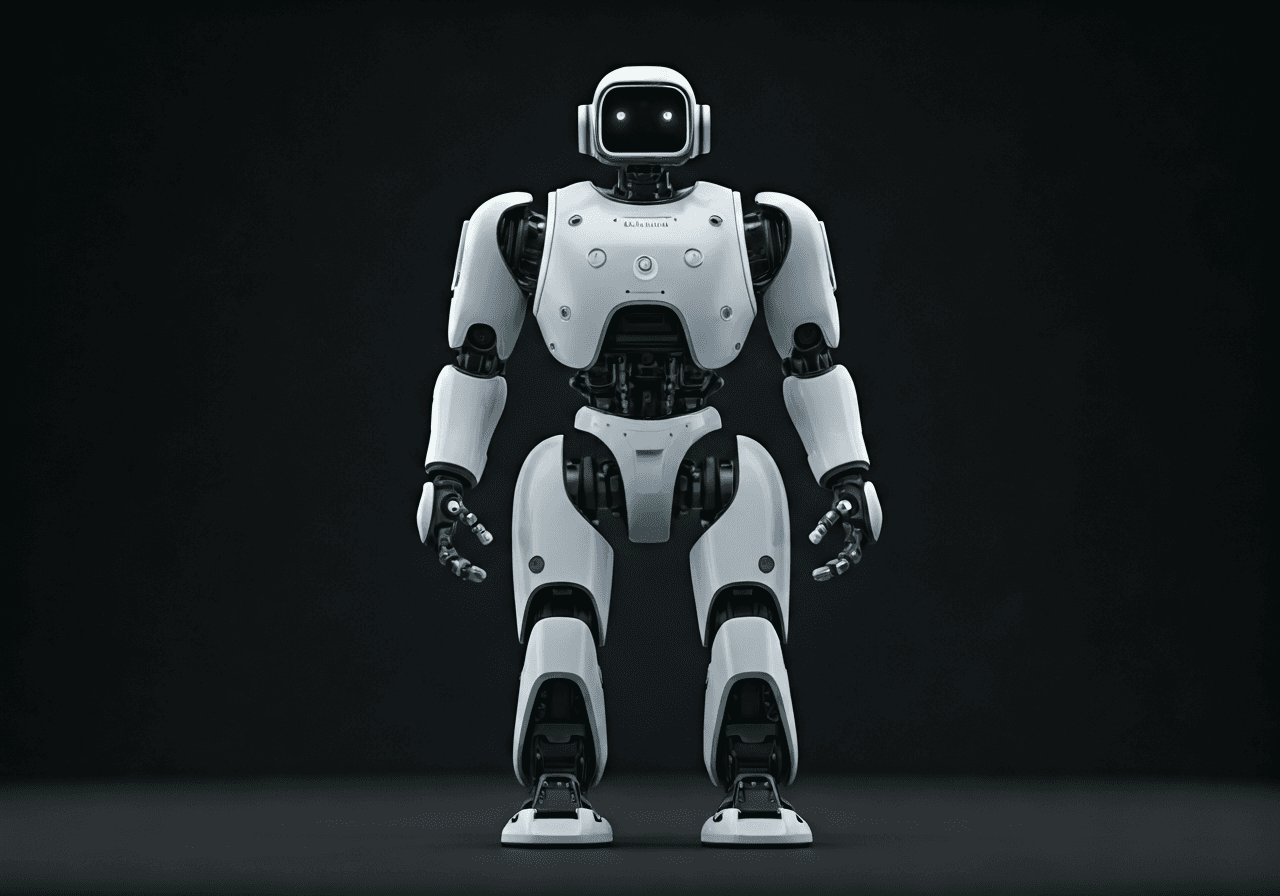
Apollo
General-purpose humanoid for logistics
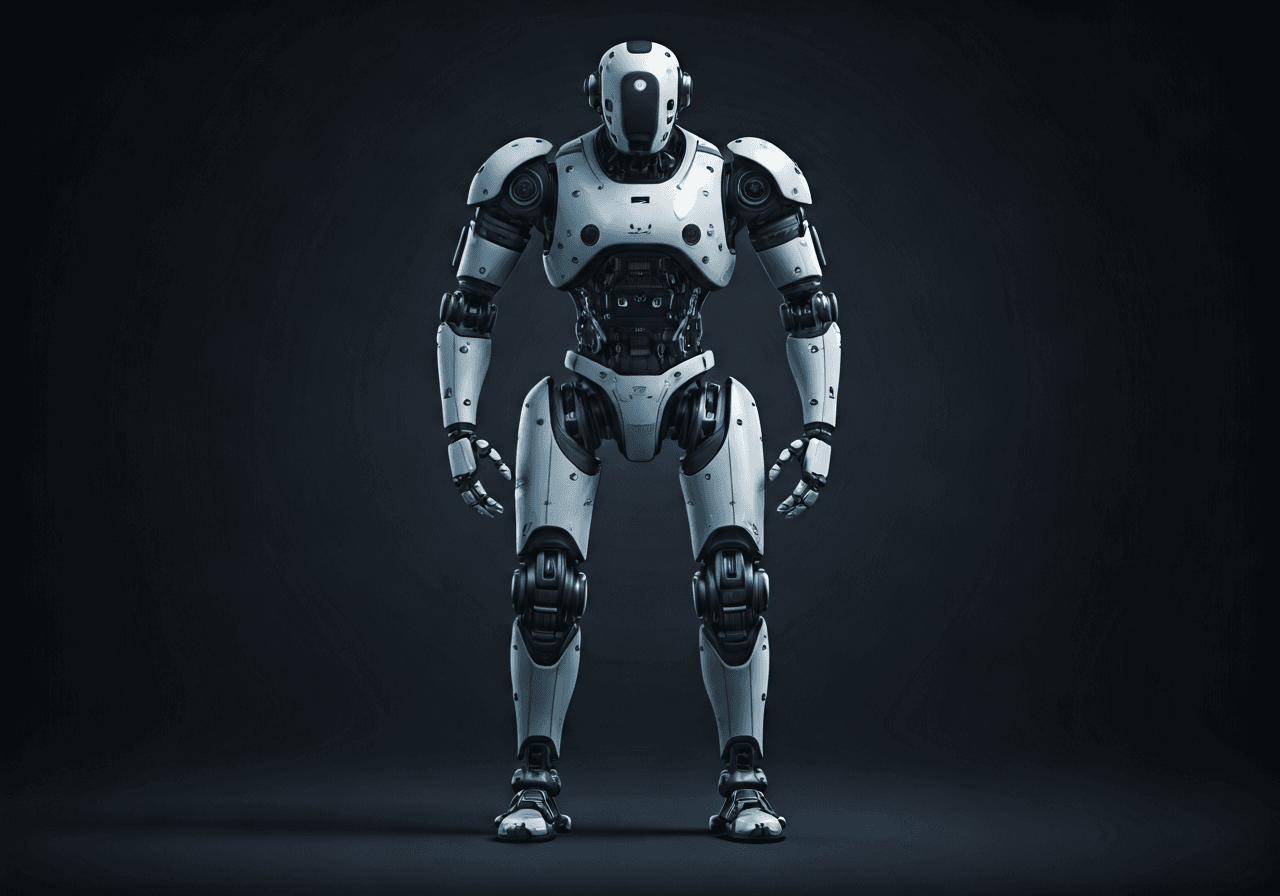
Phoenix Gen 7
Cognitive humanoid with Carbon AI
Specifications
| Spec | Apollo | Phoenix Gen 7 |
|---|---|---|
| Price (USD) | $120,000 | $250,000 |
| Category | humanoid | humanoid |
| Payload | 25 kg | 25 kg |
| Runtime | 4 h | 6 h |
| Weight | 73 kg | 70 kg |
| Degrees of Freedom | — | 40 |
- Manufacturing
- Logistics
- Warehousing
- Retail stocking
- Labor automation
When to pick which
Choose the Apptronik Apollo for large-scale logistics and warehouse operations where budget-conscious fleet deployment is a priority. At $120,000, Apollo offers a significantly lower entry point for high-volume distribution centers compared to the Phoenix. Its support for ROS2 makes it the ideal choice for engineering teams requiring an open, industry-standard SDK to integrate with existing warehouse management systems. Select this model for repetitive, heavy-lifting tasks like palletizing or case picking, where the 25kg payload capacity meets industrial requirements at a price point that facilitates a faster return on investment across multiple units.
Select the Sanctuary AI Phoenix Gen 7 for complex labor automation in retail or manufacturing environments that require high manual dexterity and cognitive adaptability. With 40 degrees of freedom, the Phoenix is better suited for intricate tasks like shelf-stocking or assembly that go beyond simple logistics. The 6-hour runtime offers a 50% endurance advantage over the Apollo, making it more effective for continuous shifts in labor-intensive roles. Choose this platform when the deployment requires the Carbon AI's cognitive capabilities to handle varied, non-linear tasks where the higher $250,000 investment is justified by increased operational autonomy.
Ready to evaluate?
Request a vendor quote or compare more options.