1X Technologies NEOvsUnitree Robotics H1
Side-by-side comparison of 1X Technologies NEO and Unitree Robotics H1: specs, price, use cases and SDKs.
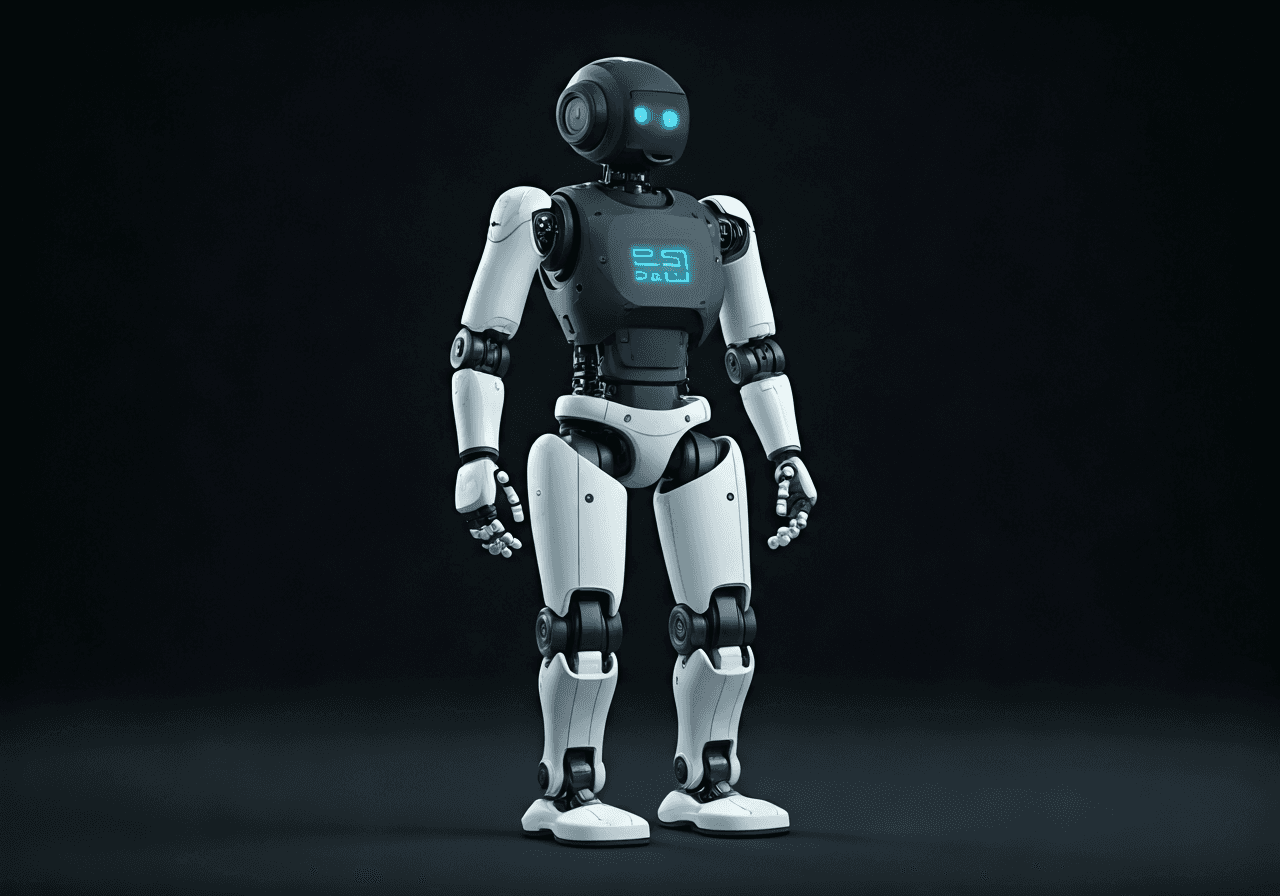
NEO
Soft-bodied home humanoid

H1
Sub-$100K Chinese humanoid — fastest walker in class
Specifications
| Spec | NEO | H1 |
|---|---|---|
| Price (USD) | $20,000 | $90,000 |
| Category | humanoid | humanoid |
| Payload | 20 kg | 30 kg |
| Runtime | 4 h | 2 h |
| Speed | — | 3.3 m/s |
| Weight | 30 kg | 47 kg |
| Degrees of Freedom | — | 19 |
- Home assistance
- Elderly care
- Housework
- Humanoid robotics research
- Industrial R&D
- Content creation / film
- Robotics competitions
When to pick which
Choose the 1X Technologies NEO for residential care facilities or home-service startups prioritizing safety and extended operation. Its soft-bodied design is a critical constraint for environments where robots interact closely with elderly residents or children, minimizing injury risk compared to rigid industrial frames. At a $20,000 price point, it suits large-scale deployments where fleet cost is a barrier. The four-hour runtime allows for continuous housework or monitoring tasks without frequent docking. Select this model for light-duty assistance where human-robot proximity is constant and budget-conscious scaling is required.
Opt for the Unitree Robotics H1 for university research labs or industrial R&D centers focused on high-speed locomotion and complex bipedal dynamics. With a top speed of 3.3 m/s and 19 degrees of freedom, it is the superior choice for robotics competitions or testing autonomous navigation in dynamic environments. The 30kg payload capacity supports heavier sensor payloads or industrial tool integration. Its open-source SDK and ROS2 driver provide the deep hardware access necessary for developing custom control algorithms. Choose the H1 when performance, speed, and developer flexibility outweigh the need for soft-touch safety.
Ready to evaluate?
Request a vendor quote or compare more options.