UBTECH Walker S2vsUnitree Robotics H1
Side-by-side comparison of UBTECH Walker S2 and Unitree Robotics H1: specs, price, use cases and SDKs.
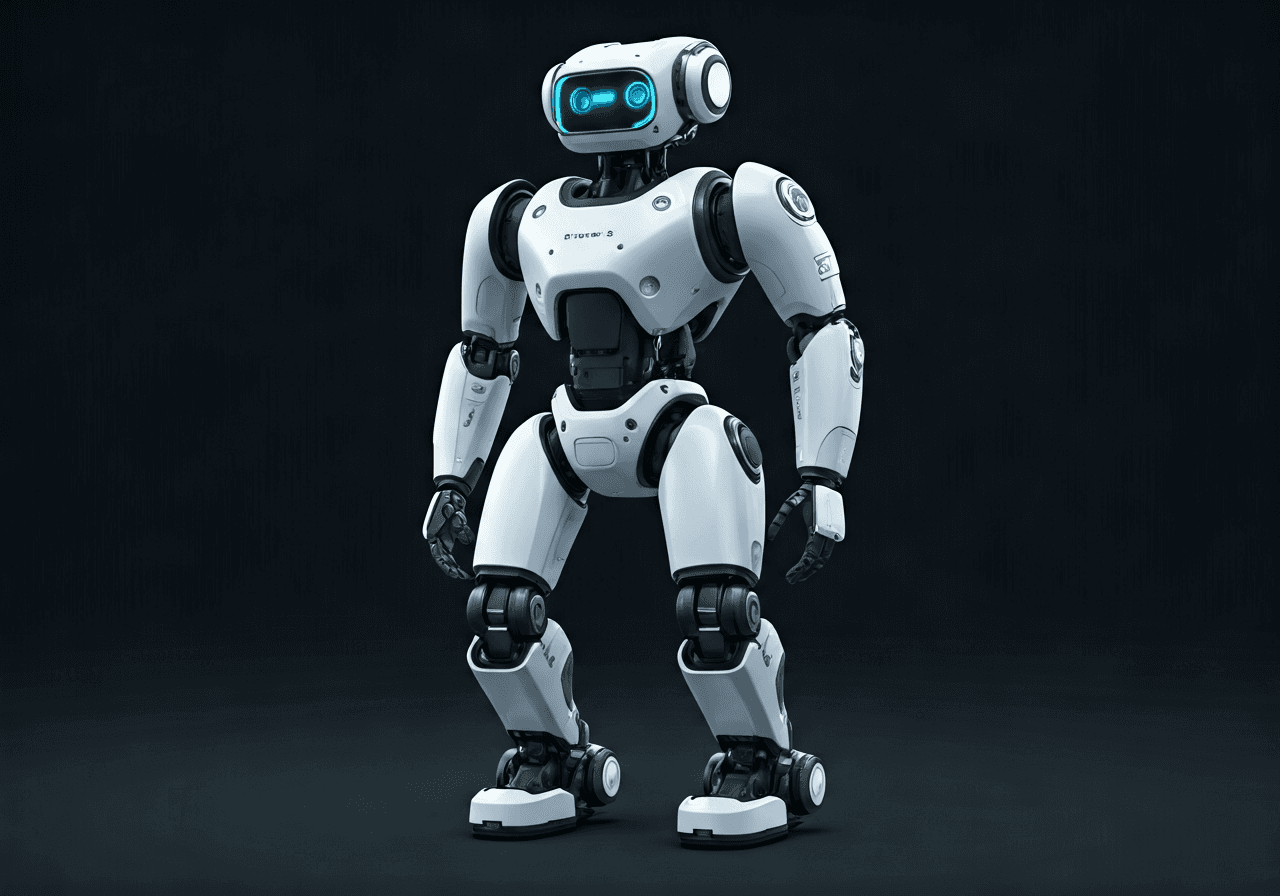
Walker S2
Swappable-battery industrial humanoid

H1
Sub-$100K Chinese humanoid — fastest walker in class
Specifications
| Spec | Walker S2 | H1 |
|---|---|---|
| Price (USD) | $40,000 | $90,000 |
| Category | humanoid | humanoid |
| Payload | 15 kg | 30 kg |
| Runtime | 4 h | 2 h |
| Speed | — | 3.3 m/s |
| Weight | 95 kg | 47 kg |
| Degrees of Freedom | — | 19 |
- Factory automation
- Logistics
- Industrial pilots
- Humanoid robotics research
- Industrial R&D
- Content creation / film
- Robotics competitions
When to pick which
Choose the UBTECH Walker S2 for large-scale industrial deployments, such as factory floor automation or logistics hubs requiring multi-shift operation. At $40,000, this model is priced for fleet scaling, making it more accessible for companies moving beyond the pilot phase. The critical differentiator is the four-hour runtime paired with a swappable-battery system, which ensures minimal downtime in a production environment. While its 15kg payload is lower than its competitor, the Walker S2 is optimized for standardized industrial tasks where operational uptime and cost-per-unit are the primary constraints for facility managers.
Select the Unitree Robotics H1 for advanced robotics research, corporate R&D, or high-speed dynamic testing. Despite the $90,000 price point, its 3.3m/s walking speed and 30kg payload capacity—double that of the Walker S2—make it the superior choice for testing complex locomotion and heavy-duty manipulation. The H1 is specifically built for developers, offering an open-source SDK, ROS2 drivers, and a Python API for granular control. Its lightweight 47kg frame provides a significant power-to-weight advantage, making it ideal for robotics competitions or experimental environments where agility and software flexibility outweigh long-term battery endurance.
Ready to evaluate?
Request a vendor quote or compare more options.