Apptronik ApollovsUBTECH Walker S2
Side-by-side comparison of Apptronik Apollo and UBTECH Walker S2: specs, price, use cases and SDKs.
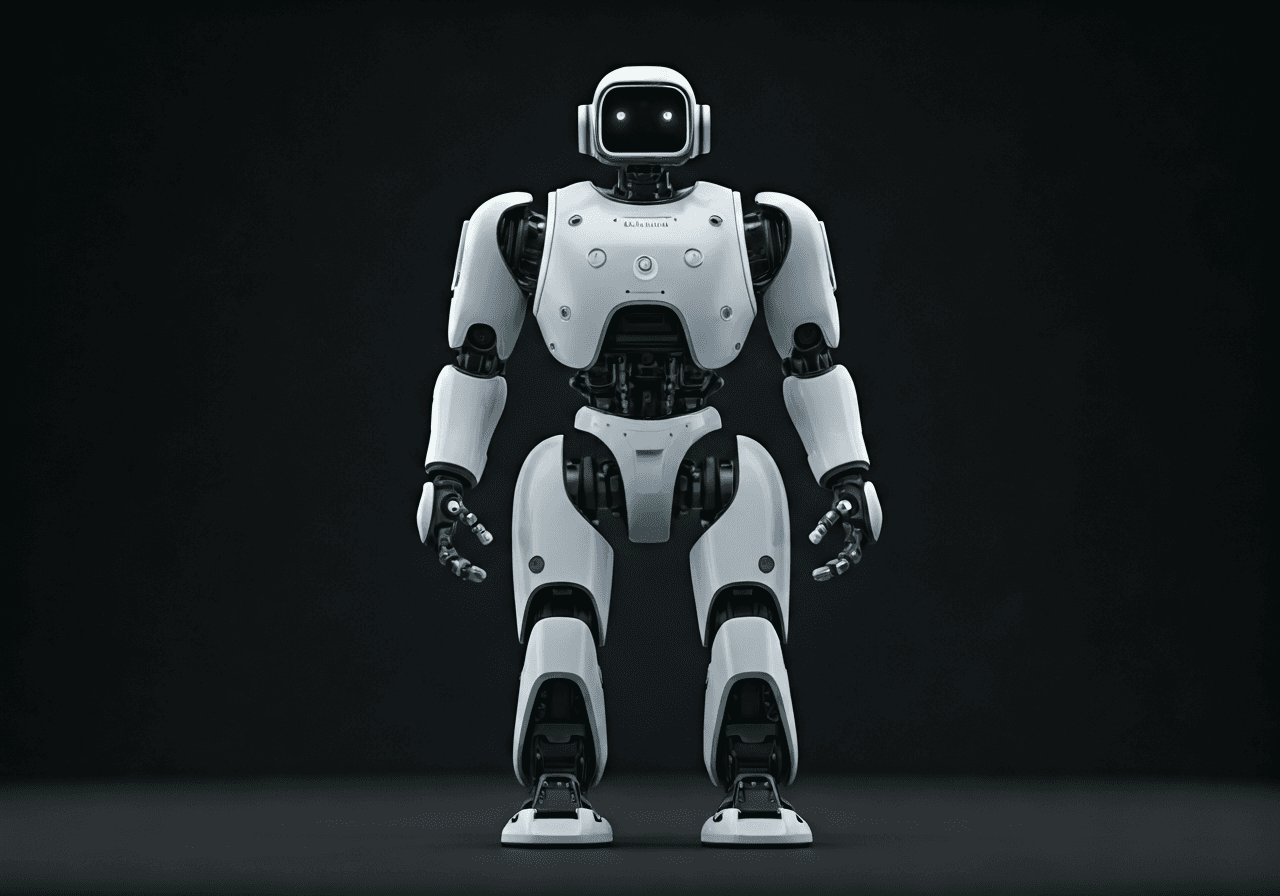
Apollo
General-purpose humanoid for logistics
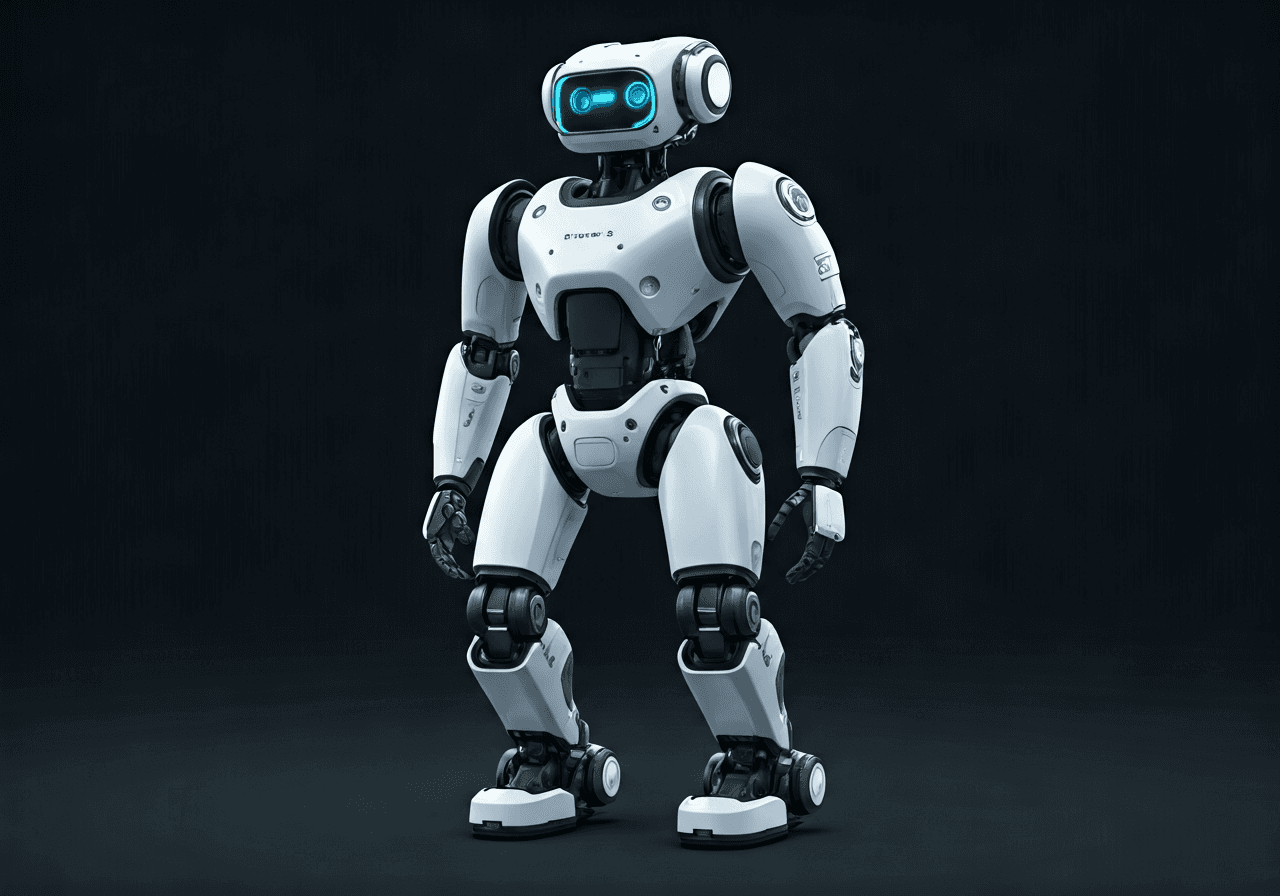
Walker S2
Swappable-battery industrial humanoid
Specifications
| Spec | Apollo | Walker S2 |
|---|---|---|
| Price (USD) | $120,000 | $40,000 |
| Category | humanoid | humanoid |
| Payload | 25 kg | 15 kg |
| Runtime | 4 h | 4 h |
| Weight | 73 kg | 95 kg |
- Logistics
- Manufacturing
- Warehousing
- Factory automation
- Industrial pilots
When to pick which
Choose the Apptronik Apollo for high-throughput logistics operations requiring heavy lifting, such as case picking or moving large totes in a brownfield warehouse. With a 25kg payload capacity—66% higher than the Walker S2—Apollo is better suited for industrial tasks involving standard shipping containers or heavy mechanical components. Its lighter 73kg frame improves energy efficiency and safety in collaborative environments. Developers should prioritize Apollo for R&D-heavy deployments where ROS2 compatibility is a requirement for integrating custom vision or navigation stacks into existing enterprise fleet management systems.
Select the UBTECH Walker S2 for large-scale industrial pilot programs where unit cost is the primary constraint for fleet deployment. At $40,000—one-third the price of the Apollo—the Walker S2 allows manufacturers to deploy three units for the price of one competitor, facilitating faster data collection across factory floors. The swappable-battery design makes it ideal for multi-shift operations where 24/7 uptime is required without long charging intervals. Choose this model for lighter assembly tasks or inspection rounds where the 15kg payload is sufficient and budget efficiency is critical for scaling beyond a single prototype.
Ready to evaluate?
Request a vendor quote or compare more options.