Fourier Intelligence GR-1vsUBTECH Walker S2
Side-by-side comparison of Fourier Intelligence GR-1 and UBTECH Walker S2: specs, price, use cases and SDKs.

GR-1
Open-platform humanoid for research + light industrial pilots
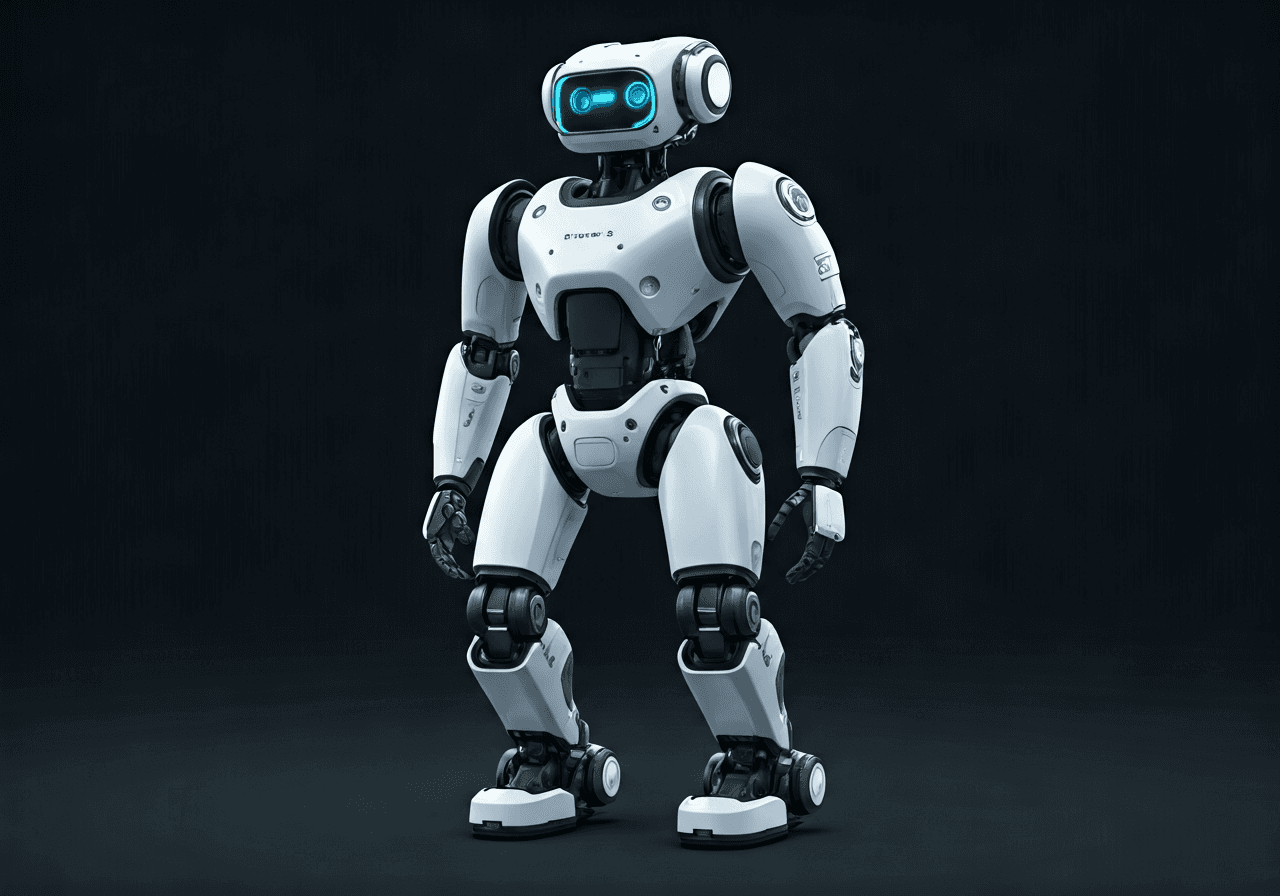
Walker S2
Swappable-battery industrial humanoid
Specifications
| Spec | GR-1 | Walker S2 |
|---|---|---|
| Price (USD) | $150,000 | $40,000 |
| Category | humanoid | humanoid |
| Payload | 50 kg | 15 kg |
| Runtime | 2 h | 4 h |
| Speed | 1.4 m/s | — |
| Weight | 55 kg | 95 kg |
| Degrees of Freedom | 40 | — |
| Battery | Li-ion swap | — |
- University research
- Light manufacturing pilots
- Rehabilitation R&D
- Robotic hand teleoperation studies
- Factory automation
- Logistics
- Industrial pilots
When to pick which
Choose the Fourier Intelligence GR-1 for university research labs or specialized R&D centers focused on high-dexterity teleoperation and heavy-lifting studies. Its 50kg payload capacity is exceptional for its 55kg frame, making it ideal for tasks requiring significant strength-to-weight ratios that the Walker S2 cannot match. The inclusion of ROS2 drivers and the Fourier OpenAI Stack makes it the superior choice for software developers needing deep integration for AI training or complex manipulation. If your deployment involves testing advanced bipedal locomotion or high-DoF hand coordination in a controlled pilot environment, the GR-1’s 40 degrees of freedom provide the necessary mechanical granularity.
Opt for the UBTECH Walker S2 when scaling industrial pilots in factory automation or logistics where cost-efficiency and uptime are critical. At $40,000—nearly a quarter of the GR-1's price—it allows for multi-unit deployments within a tighter budget. The 4-hour runtime significantly outperforms the GR-1, making it better suited for continuous shifts in warehouse environments or assembly line monitoring. While it has a lower payload capacity, its heavier 95kg build suggests greater stability for repetitive industrial tasks. Choose this model for practical, long-duration feasibility studies in manufacturing where battery endurance and ROI per unit are the primary constraints.
Ready to evaluate?
Request a vendor quote or compare more options.