1X Technologies NEOvsApptronik Apollo
Side-by-side comparison of 1X Technologies NEO and Apptronik Apollo: specs, price, use cases and SDKs.
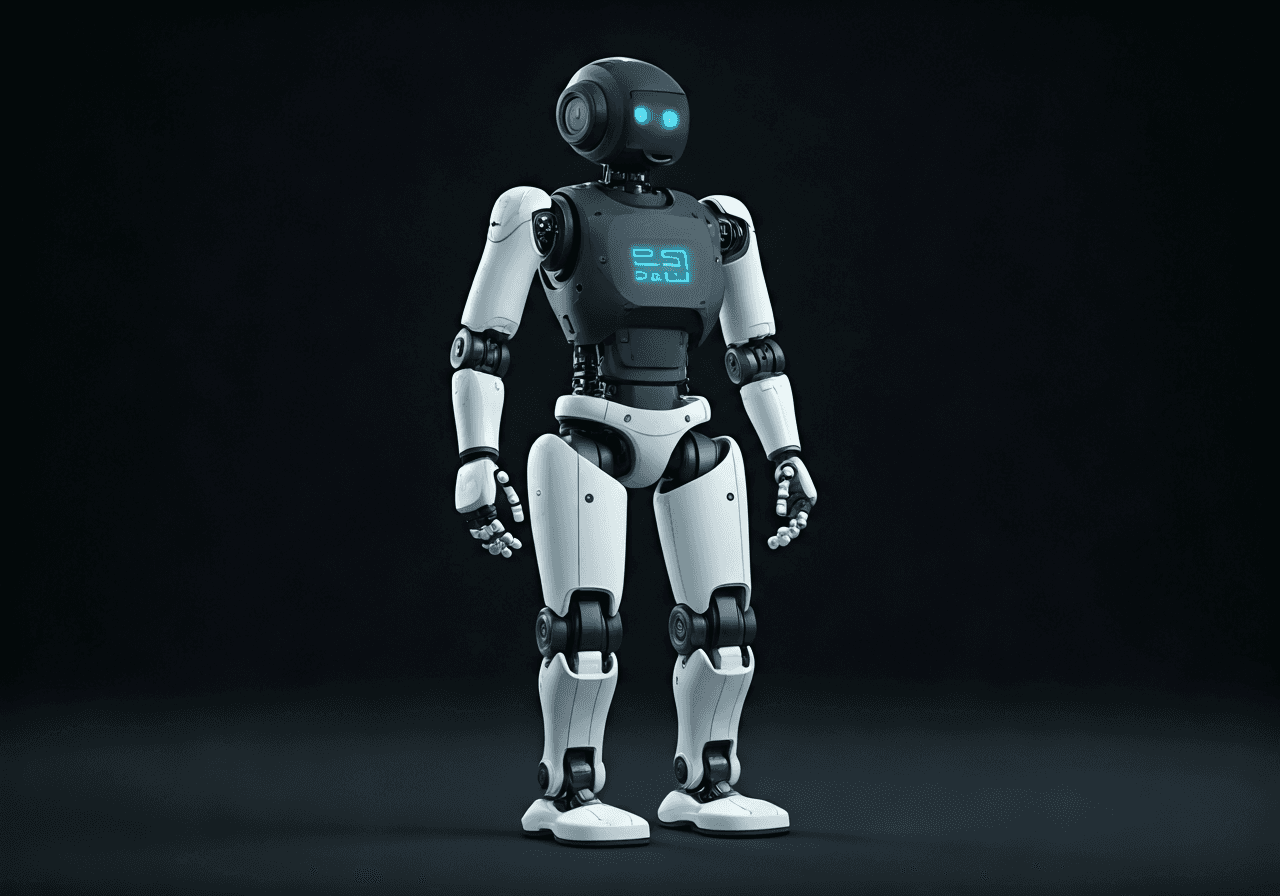
NEO
Soft-bodied home humanoid
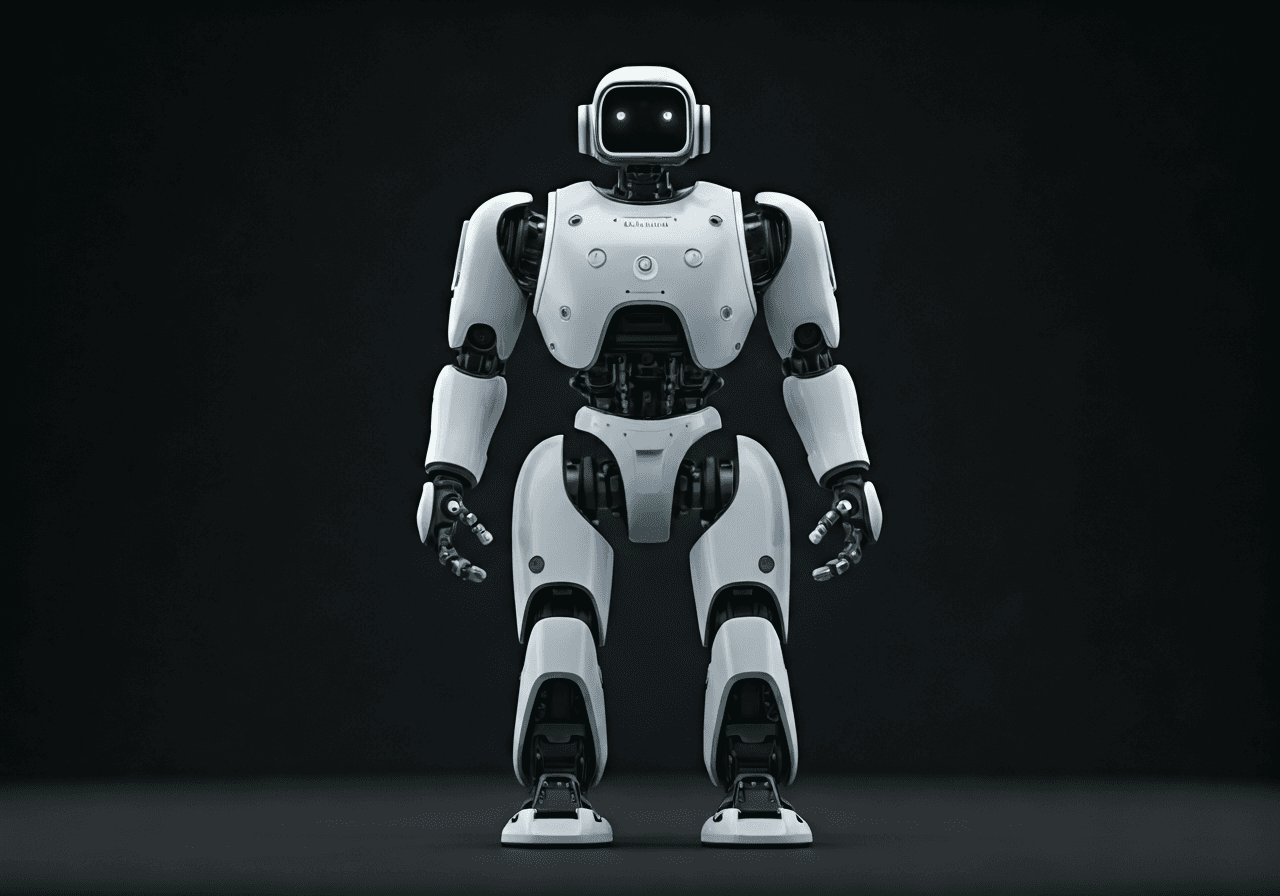
Apollo
General-purpose humanoid for logistics
Specifications
| Spec | NEO | Apollo |
|---|---|---|
| Price (USD) | $20,000 | $120,000 |
| Category | humanoid | humanoid |
| Payload | 20 kg | 25 kg |
| Runtime | 4 h | 4 h |
| Weight | 30 kg | 73 kg |
- Home assistance
- Elderly care
- Housework
- Logistics
- Manufacturing
- Warehousing
When to pick which
Choose the 1X Technologies NEO for residential deployments, elderly care facilities, or large-scale academic research projects where cost-per-unit is a primary constraint. At $20,000, it is significantly more accessible for pilot programs requiring multiple units to test home assistance or housework automation. Its lightweight 30kg soft-bodied design makes it safer for close-proximity human interaction compared to heavier industrial models. Developers focusing on consumer-facing applications will benefit from the Python SDK, making it ideal for prototyping social robotics or light domestic tasks where a 20kg payload is sufficient for handling household objects.
Select the Apptronik Apollo for industrial environments such as logistics hubs, manufacturing plants, or high-throughput warehouses. While more expensive at $120,000, its 25kg payload capacity and 73kg frame provide the structural stability required for repetitive heavy lifting and palletizing tasks that would strain lighter consumer-grade hardware. The inclusion of ROS2 support is a critical factor for enterprise buyers who need to integrate the robot into existing industrial fleets and complex automation stacks. Choose Apollo when deploying in rugged settings where durability, standardized middleware, and high-torque performance are non-negotiable for 24/7 supply chain operations.
Ready to evaluate?
Request a vendor quote or compare more options.