Apptronik ApollovsUBTECH Walker S2
Side-by-side comparison of Apptronik Apollo and UBTECH Walker S2: specs, price, use cases and SDKs.
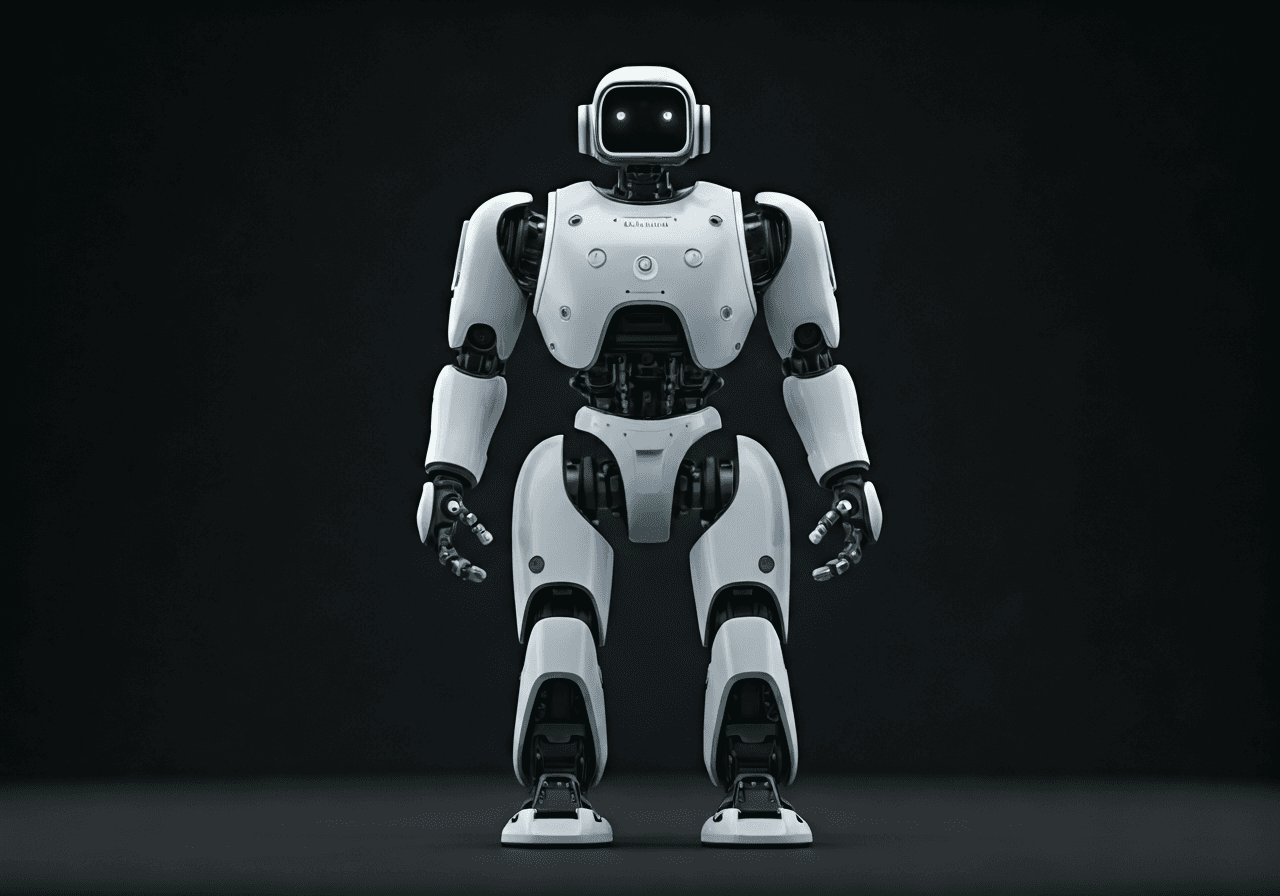
Apollo
General-purpose humanoid for logistics
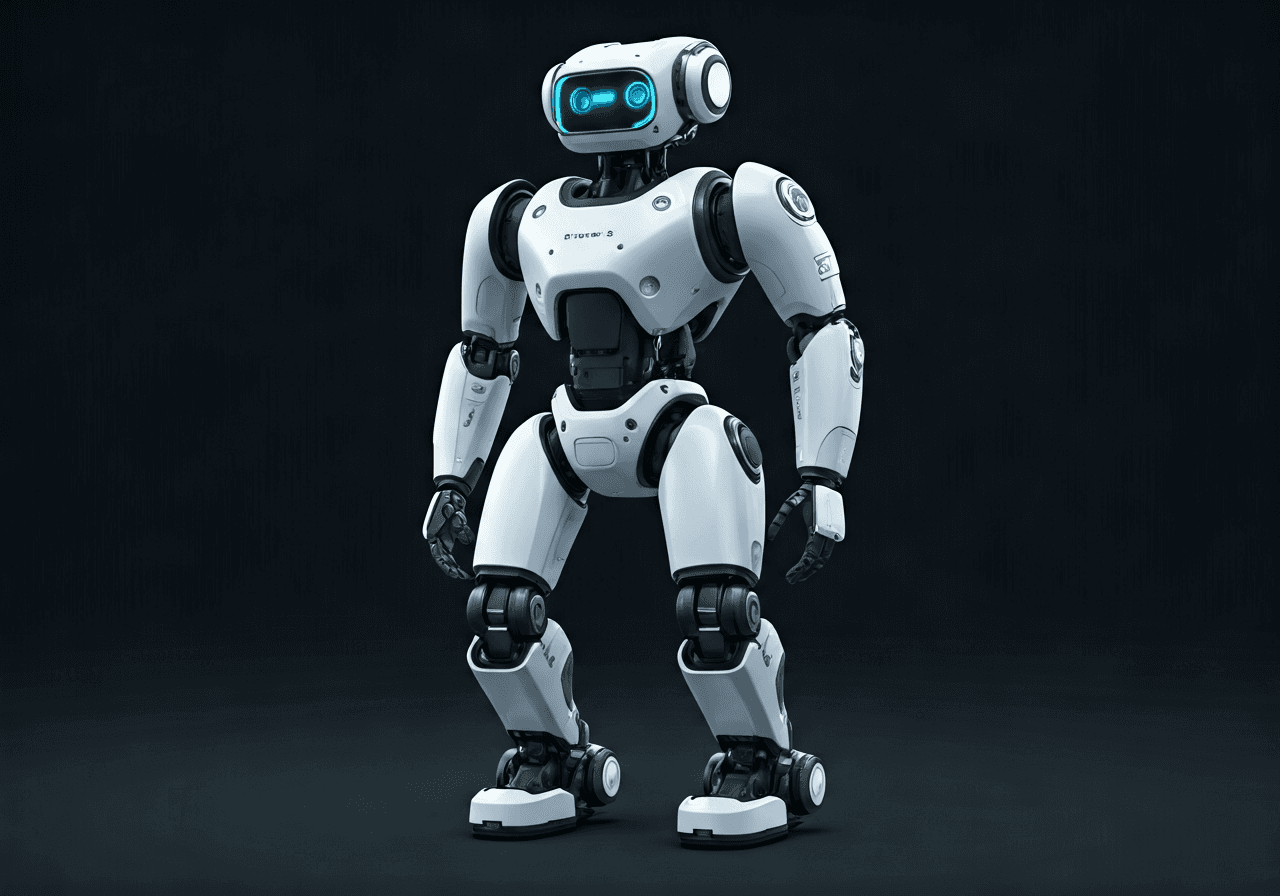
Walker S2
Swappable-battery industrial humanoid
Specifications
| Spec | Apollo | Walker S2 |
|---|---|---|
| Price (USD) | $120,000 | $40,000 |
| Category | humanoid | humanoid |
| Payload | 25 kg | 15 kg |
| Runtime | 4 h | 4 h |
| Weight | 73 kg | 95 kg |
- Logistics
- Manufacturing
- Warehousing
- Factory automation
- Industrial pilots
When to pick which
Choose the Apptronik Apollo for high-intensity logistics operations where payload capacity is the primary constraint. With a 25kg lifting capacity—66% higher than the Walker S2—Apollo is better suited for moving heavy totes or palletizing industrial components in manufacturing environments. Its lighter 73kg frame improves safety and energy efficiency during mobile tasks. Organizations requiring deep software customization should prioritize Apollo for its ROS2 compatibility, allowing seamless integration into existing robotics stacks. This is the preferred choice for North American logistics hubs scaling automation where heavy-duty performance justifies the $120,000 investment.
Select the UBTECH Walker S2 for large-scale industrial pilots or factory automation where cost-per-unit is the decisive factor. At $40,000, the Walker S2 allows for a three-robot fleet for the price of a single Apollo, making it ideal for testing swarm coordination or wide-area coverage in electronics assembly plants. The swappable battery system is a critical advantage for multi-shift operations, minimizing downtime compared to fixed-battery alternatives. While the 15kg payload is lower, it is sufficient for light assembly and inspection tasks. Choose this model for cost-sensitive deployments prioritizing continuous uptime and rapid fleet expansion.
Ready to evaluate?
Request a vendor quote or compare more options.